Hello, this is Mind Dental Clinic.
When patients visit us to discuss cosmetic treatment for their front teeth, the first question is often about cost. However, during an actual consultation, price is rarely the first thing that needs to be evaluated.
We first look at why the front teeth need treatment, how much natural tooth structure can be preserved, and whether the gums and bite are healthy enough for cosmetic treatment.
Patients also commonly ask whether their teeth need to be shaved down, whether composite resin or veneers would be more appropriate, and why treatment costs can vary from one case to another.
Even when two patients have similar concerns, the treatment plan may be completely different depending on whether the problem involves a chipped tooth, discoloration, gaps, existing restorations, or tooth alignment.
At Mind Dental Clinic, we therefore begin with an oral examination and bite assessment before discussing options such as composite resin, veneers, or other restorative treatments.

When Is Front Tooth Cosmetic Treatment Considered?
Cosmetic treatment may be considered when a front tooth is chipped, discolored, uneven in shape, spaced apart from neighboring teeth, or when an older resin restoration has changed in color or shape.
However, appearance alone does not determine the treatment.
If the teeth are significantly misaligned or the bite is unstable, simply changing the visible surface with resin or veneers may not address the underlying issue. Orthodontic treatment or another approach may need to be discussed first.
During a consultation, we commonly evaluate the following factors:
| What We Check | What We Look For | Why It Matters |
|---|---|---|
| Tooth condition | Chips, discoloration, gaps, uneven shape | Determines the treatment range |
| Oral health | Cavities, gum inflammation, existing restorations | Helps identify whether treatment is needed first |
| Bite | Front tooth contact and tooth position | Affects material and treatment selection |
| Habits | Grinding, clenching, biting hard objects | Can influence long-term durability |
Another important part of consultation is comparing the appearance a patient wants with what can realistically be achieved.
A tooth shape that looks attractive in a photograph may not necessarily suit every patient. Tooth size, gum line, lip line, and neighboring teeth all affect the final appearance.

Composite Resin vs. Veneers: What Is the Difference?
Composite resin is applied directly to the tooth to repair small chips, close limited gaps, or adjust tooth shape.
When the area requiring treatment is relatively small, little or no natural tooth reduction may be necessary. Some cases can also be completed in a single appointment.
However, resin can gradually show discoloration or wear and may require maintenance over time.
Veneers are thin ceramic restorations bonded to the front surface of the teeth. They may provide greater control over color and shape, particularly when a more noticeable cosmetic change is desired.
Depending on tooth position and the amount of correction required, some enamel reduction may be necessary.
| Category | Composite Resin | Dental Veneers |
|---|---|---|
| Method | Resin is shaped directly on the tooth | A custom ceramic restoration is bonded to the tooth |
| Tooth reduction | Minimal or sometimes unnecessary | May be required depending on the case |
| Advantage | Conservative treatment may be possible | Greater control over color and shape |
| Maintenance | Monitor wear and discoloration | Monitor bonding, fracture, and bite |
Patients often ask us which option is “better.”
There is no single answer. A small chip may be well suited to composite resin, while a patient who wants a broader change in color or shape may need to consider veneers.
The more useful question is which option preserves the most healthy tooth structure while still achieving the necessary treatment goal.

What Should Be Checked Before Getting Veneers?
One of the most important issues in veneer treatment is the amount of tooth reduction.
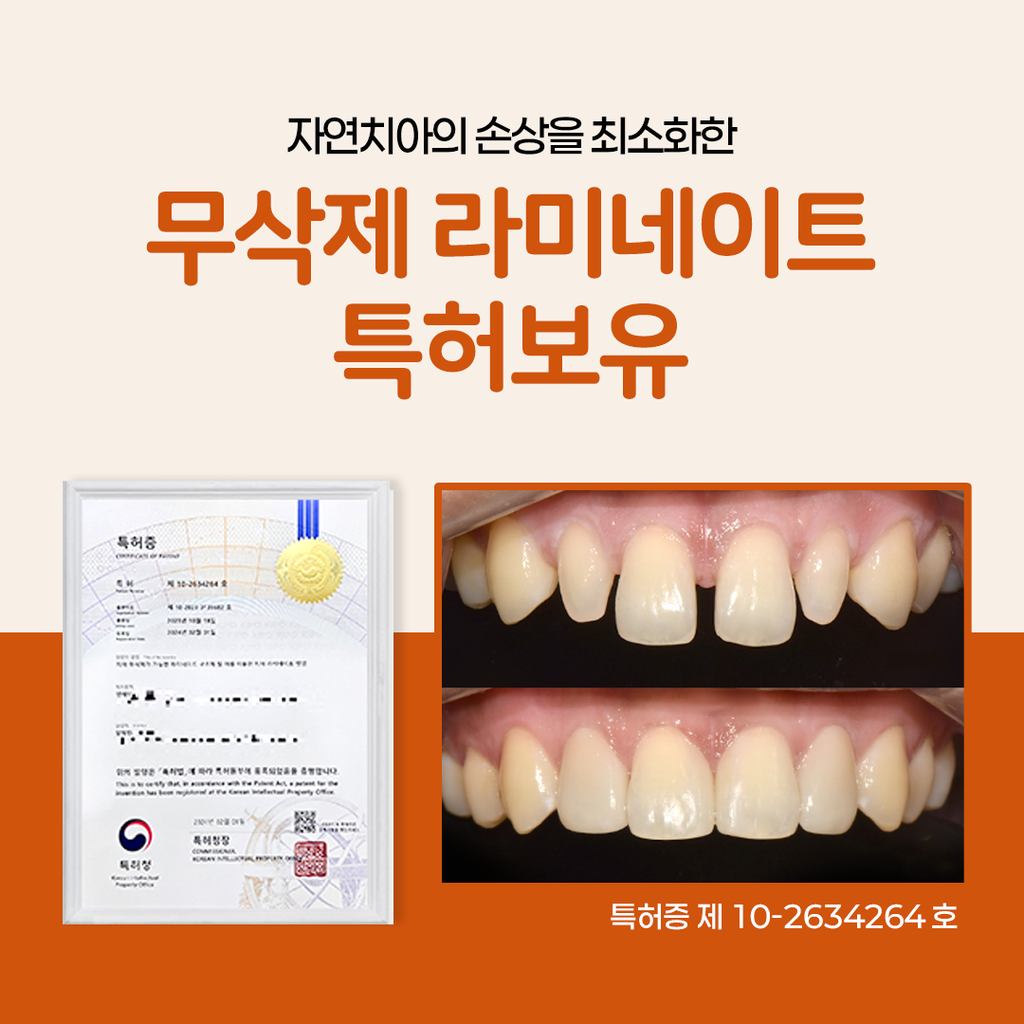
Some patients specifically request no-prep veneers because they want to avoid removing natural enamel. No-prep treatment may be possible in selected cases, but it is not appropriate for every tooth.
For example, if a tooth already protrudes outward, adding a veneer without sufficient preparation could make the tooth appear thicker or more prominent.
At the same time, unnecessary removal of healthy enamel should also be avoided.
This is why the expected amount of tooth preparation should be discussed before treatment rather than deciding on a method based only on the term “no-prep.”
| What to Check | Why It Matters | Management |
|---|---|---|
| Tooth reduction | Influences tooth preservation and final shape | Review the expected preparation beforehand |
| Bite | Excessive force may concentrate on the veneer | Evaluate front tooth contact |
| Grinding or clenching | May increase fracture or debonding risk | A protective appliance may be considered |
| Shade | Should blend naturally with nearby teeth | Compare with adjacent teeth |
| Follow-up | Helps monitor the veneer and gums | Schedule periodic dental examinations |
Lifestyle habits are also important.
If you frequently bite ice, open packages with your teeth, bite your nails, grind your teeth, or clench your jaw, tell your dentist before treatment.
These habits can place repeated stress on cosmetic restorations.
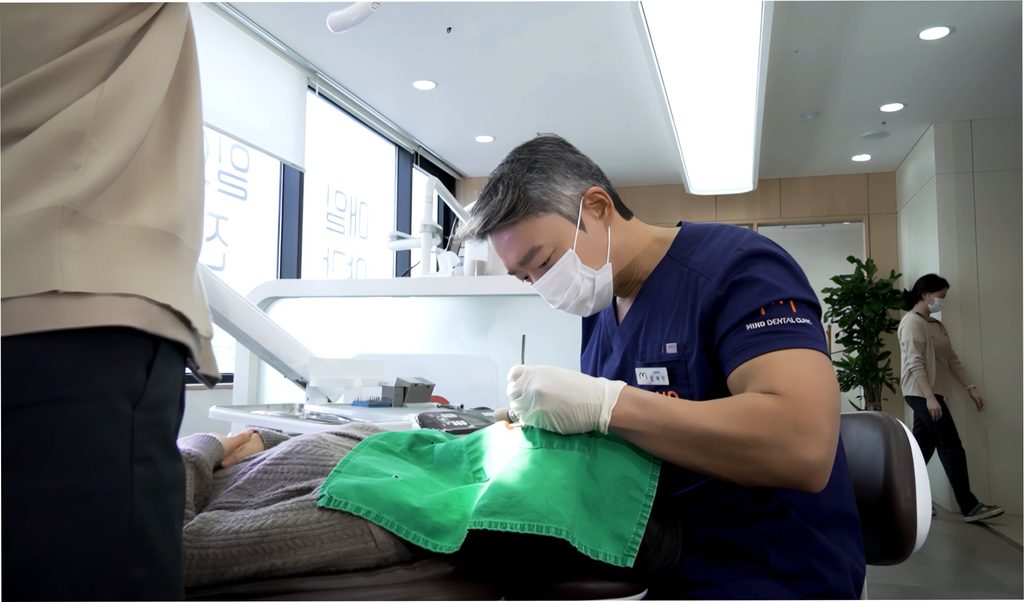
Why Does the Cost of Front Tooth Cosmetic Treatment Vary?
The cost of front tooth cosmetic treatment is not determined by the material alone.
The overall plan may vary depending on:
- The number of teeth requiring treatment
- Whether composite resin or veneers are used
- Whether cavities or gum problems need treatment first
- The fabrication method for the restoration
- Bite adjustment
- Follow-up and maintenance needs
For example, treating a single front tooth may be enough when its color and shape can be matched naturally to neighboring teeth.
In other cases, a noticeable difference between adjacent teeth may mean that several teeth need to be evaluated together.
For this reason, choosing the lowest advertised price is not necessarily the best way to reduce the overall financial burden.
A better starting point is to identify exactly which teeth require treatment and why.
Treating only what is necessary can help avoid unnecessarily expanding the treatment range.
Questions to Ask During Your Cosmetic Dentistry Consultation
If you are searching for an Ansan Jungang-dong dentist for front tooth cosmetic treatment, consider asking these questions during your consultation:
- How much of my natural tooth can be preserved?
- Will my tooth need to be reduced?
- If so, how much preparation is expected?
- Why are you recommending composite resin or veneers for my case?
- Do I need cavity or gum treatment first?
- Does my bite affect the treatment plan?
- Could grinding or clenching affect the restoration?
- What happens if the restoration becomes discolored, worn, or damaged?
- How often should I return for follow-up examinations?
These questions provide more useful information than comparing treatment prices alone.
Front teeth have a major influence on a smile, but they also play an important functional role when biting and speaking.
A cosmetic treatment plan should therefore consider appearance, function, preservation of natural tooth structure, and long-term maintenance together.

Frequently Asked Questions
Do front teeth always need to be shaved down for cosmetic treatment?
No. Small chips or gaps may sometimes be treated with composite resin while minimizing or avoiding tooth reduction. More significant changes in shape or position may require some preparation.
Are veneers better than composite resin?
Not necessarily. The appropriate option depends on the condition of the tooth, the size of the defect, the desired cosmetic change, the bite, and how much natural tooth structure can be preserved.
Are no-prep veneers possible for everyone?
No. They may be suitable in selected cases, but teeth that already protrude or require significant shape correction may need preparation to avoid creating an overly thick appearance.
What should I avoid after veneer treatment?
Avoid using your front teeth to bite extremely hard foods or objects. Patients who grind or clench their teeth should also discuss appropriate management with their dentist.
Why are cosmetic dentistry prices different for each patient?
The number of teeth, treatment method, materials, preliminary dental treatment, fabrication process, and bite condition can all influence the final treatment plan and cost.
Ultimately, front tooth cosmetic treatment should begin with an accurate examination rather than a price list.
At Mind Dental Clinic, we believe that understanding the condition of the natural teeth, discussing realistic cosmetic goals, and explaining why a particular treatment is being considered are important parts of the decision-making process.
Individual treatment plans may vary, so an in-person dental examination is necessary before determining whether composite resin, veneers, or another treatment is appropriate.
Mind Dental Clinic Information
Mind Dental Clinic, located in Ansan, provides advanced dental treatments including dental implants and no-prep veneers.
Before starting any procedure, patients can receive a comprehensive evaluation of their current oral condition along with a clear explanation of the recommended treatment plan.
Location
4th Floor, Central Tower, 72 Gojan-ro, Danwon-gu, Ansan, South Korea
Phone
+82-31-401-9375
Website
Hours
Mon – Thu: 10:00 AM – 8:00 PM
Fri: 10:00 AM – 6:00 PM
Public Holidays: 10:00 AM – 4:00 PM