• Food Impaction After Prosthetic Dental Work – What to Check

    Are you noticing food getting stuck after a new prosthesis?

    Many patients worry that food impaction means the prosthesis must be remade immediately. In most cases, however, the cause is not a single problem. Before deciding on remaking a restoration, a careful assessment of contact points, crown margins, gum changes, and bite height is needed. This guide explains what we check in the clinic and how you can manage mild problems at home.

    Why does food get stuck after prosthetic treatment?

    There are several possible reasons for food impaction after dental work. The common checks include whether the contact between adjacent teeth is adequate, whether the prosthesis contours meet the gum smoothly, and whether chewing forces are uneven. Timing matters: if the issue appears immediately after treatment, contact points and occlusion are likely involved; if it develops later, gum recession or drift of neighboring teeth may be the cause.

    • Typical aspects we examine:
      • Contact point strength between teeth
      • Prosthesis shape and margin adaptation to the gum
      • Gum condition (inflammation, recession)
      • Direction and distribution of chewing forces

    How can you tell if this is normal adaptation or needs attention?

    New restorations often feel strange for a few days as the tongue and muscles adapt. However, repeated food impaction accompanied by gum pain, bleeding, or bad odor should prompt a professional check.

    Useful signs to observe

    • Observation that usually does not require urgent treatment:
      • Food catches only occasionally with certain fibrous foods.
      • Mild, transient sensitivity that improves within days.
    • Signs that merit clinical review:
      • Persistent impaction at the same site during most meals.
      • Dental floss that repeatedly snags or tears on the same edge.
      • Gum swelling, bleeding, or persistent bad breath around the prosthesis.
      • A sensation that the restoration is loose or unstable.

    What should you do at home when food gets stuck?

    At home, the goal is to reduce irritation and keep the area clean without causing more harm.

    • Rinse gently with lukewarm water after eating.
    • Use a soft dental floss technique (slide floss around the tooth instead of yanking).
    • Select an interdental brush that fits comfortably; do not force a larger size.
    • Avoid repeatedly probing the area with toothpicks or sharp instruments.
    • Do not habitually chew only on the opposite side, as this can create bite imbalance.

    If floss repeatedly tears or the gum remains sore, stop aggressive home measures and seek a clinical evaluation.

    When is adjustment or re-evaluation necessary?

    Not every case requires remaking the prosthesis. Possible interventions depend on the underlying cause and may include contact point adjustment, occlusal (bite) adjustment, periodontal care, or further prosthesis refinement.

    • Common clinical decision steps:
      • If floss passes too easily: check and tighten the contact point.
      • If floss catches or tears repeatedly: evaluate the prosthesis margins and adjacent surface finish.
      • If chewing feels uneven or one side contacts first: assess occlusion and bite height.
      • If gum inflammation or odor is present: address hygiene and periodontal condition.
      • If the restoration feels mobile: assess bonding and take radiographs if needed.

    How we assess the problem in the clinic

    Our in-clinic evaluation includes:

    • A detailed history of when the symptom started and how it behaves during meals.
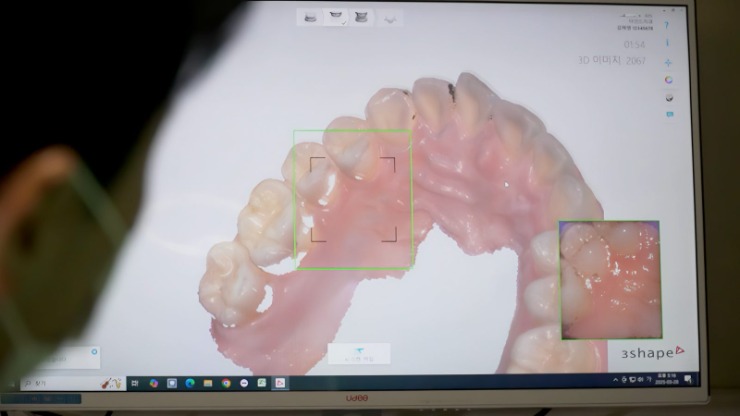
    • Examination of floss passage, contact points, and prosthesis margins.
    • Occlusal analysis to see whether a tooth contacts prematurely or forces are misdirected.
    • Periodontal assessment for inflammation, recession, or calculus.
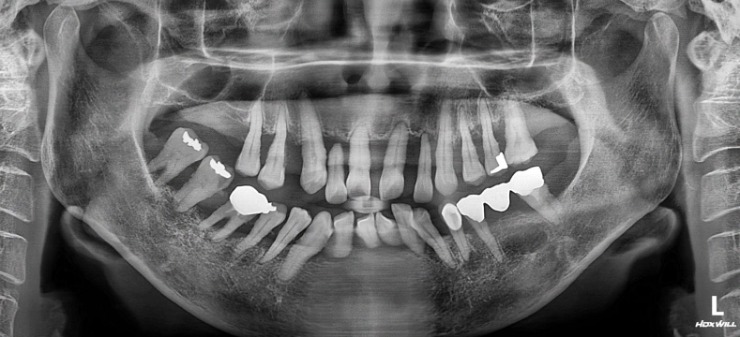
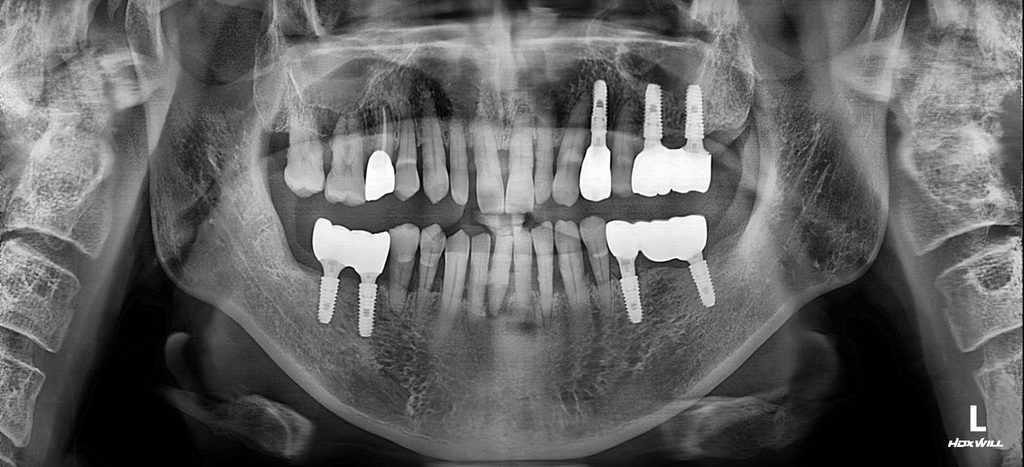
    • Radiographs when indicated to evaluate underlying tooth structure, bone level, or restoration fit.

    After these steps, we determine whether conservative adjustment will solve the issue or whether re-fabrication is necessary.

    Food impaction after prosthetic treatment does not automatically mean the restoration must be remade. A stepwise evaluation—checking contact points, prosthesis margins, gum health, and occlusion—will usually identify the cause and the appropriate action. Avoid aggressive self-manipulation; if impaction is recurrent or accompanied by gum symptoms, seek a professional assessment.

  • Tooth Decay Treatment in Ansan Jungang-dong: How Can You Avoid Missing Cavities Between Your Teeth?

    Tooth Decay Treatment in Ansan Jungang-dong: How Can You Avoid Missing Cavities Between Your Teeth?

    “My teeth feel sensitive between them. Could it be a cavity?”
    “I use dental floss, so why did I still get a cavity?”

    These are some of the questions we hear most often from patients who visit our clinic with concerns about cavities.

    To answer the question first, when considering tooth decay treatment in Ansan Jungang-dong, the most important factor is not how quickly treatment begins, but how accurately the current condition is diagnosed.

    Tooth Decay Treatment in Ansan Jungang-dong: How Can You Avoid Missing Cavities Between Your Teeth?

    Tooth Decay Treatment in Ansan Jungang-dong: How Can You Avoid Missing Cavities Between Your Teeth?

    Although all cavities are commonly referred to as “tooth decay,” they do not all progress in the same way. The treatment approach may vary depending on whether the decay is limited to the enamel, has extended into the dentin, or has progressed close to the dental pulp (nerve).

    For this reason, treatment is not determined solely by symptoms such as tooth sensitivity or food getting stuck between the teeth. After a thorough examination, some cases may only require conservative restorative treatment, while others reveal decay that has progressed much deeper than expected.

    Many patients tell us, “I’ve been brushing my teeth carefully, so I don’t understand why I developed a cavity.” Cavities between the teeth are especially difficult to notice because they are often hidden from view and may not cause obvious symptoms until they have progressed.

    Tooth Decay Treatment in Ansan Jungang-dong: How Can You Avoid Missing Cavities Between Your Teeth?

    Why Are Cavities Between Teeth So Easy to Miss?

    The visible surfaces of your teeth can usually be checked with a mirror, but the contact areas between neighboring teeth are much more difficult to inspect on your own. Even when the outside appears perfectly healthy, decay may already be developing beneath the surface. In many cases, these hidden cavities are discovered only during routine dental X-rays.

    Using dental floss does not guarantee complete prevention of cavities between the teeth. Irregular flossing, crowded teeth that are difficult to clean, or inadequate cleaning around existing crowns or fillings can all increase the risk of tooth decay.

    Proper Flossing Matters More Than Simply Flossing

    What proved to be more important than whether someone flossed was how they flossed. In addition, every patient has different areas that are more susceptible to cavities or more difficult to keep clean. The same oral hygiene routine may not be equally effective for everyone.

    Likewise, sensitivity between the teeth does not automatically mean there is a cavity. Sensitivity to cold drinks, discomfort when eating sweets, or pain while chewing may each have different underlying causes. Besides tooth decay, dentists also consider factors such as cervical abrasion, gum recession, bite problems, and tooth cracks.

    There are also several signs that may indicate the need for a dental examination. If dental floss repeatedly catches in the same area, food frequently becomes trapped between certain teeth, only one area feels sensitive, or discoloration develops, a professional evaluation may be recommended. However, the absence of these symptoms does not necessarily mean there is no cavity, and their presence does not always confirm one.

    Tooth Decay Treatment in Ansan Jungang-dong: How Can You Avoid Missing Cavities Between Your Teeth?

    Why an Accurate Diagnosis Comes First

    Some patients who visited for tooth decay treatment in Ansan Jungang-dong had no pain at all and simply came in for a routine dental checkup, where hidden cavities were discovered unexpectedly. Others were concerned about sensitivity, only to find that the discomfort was actually caused by tooth wear or gum-related conditions rather than decay.

    Preventing cavities involves more than simply brushing your teeth frequently. Reducing the number of hard-to-clean areas is equally important. Using a toothbrush together with dental floss—and, when appropriate, an interdental brush—may help improve oral hygiene. After treatment, understanding which areas require extra attention and learning proper home care techniques are also important parts of long-term maintenance.

    Ultimately, the key is accurately identifying your current oral condition and determining the appropriate extent of treatment. A precise diagnosis and personalized treatment plan should always be made by a qualified dental professional.

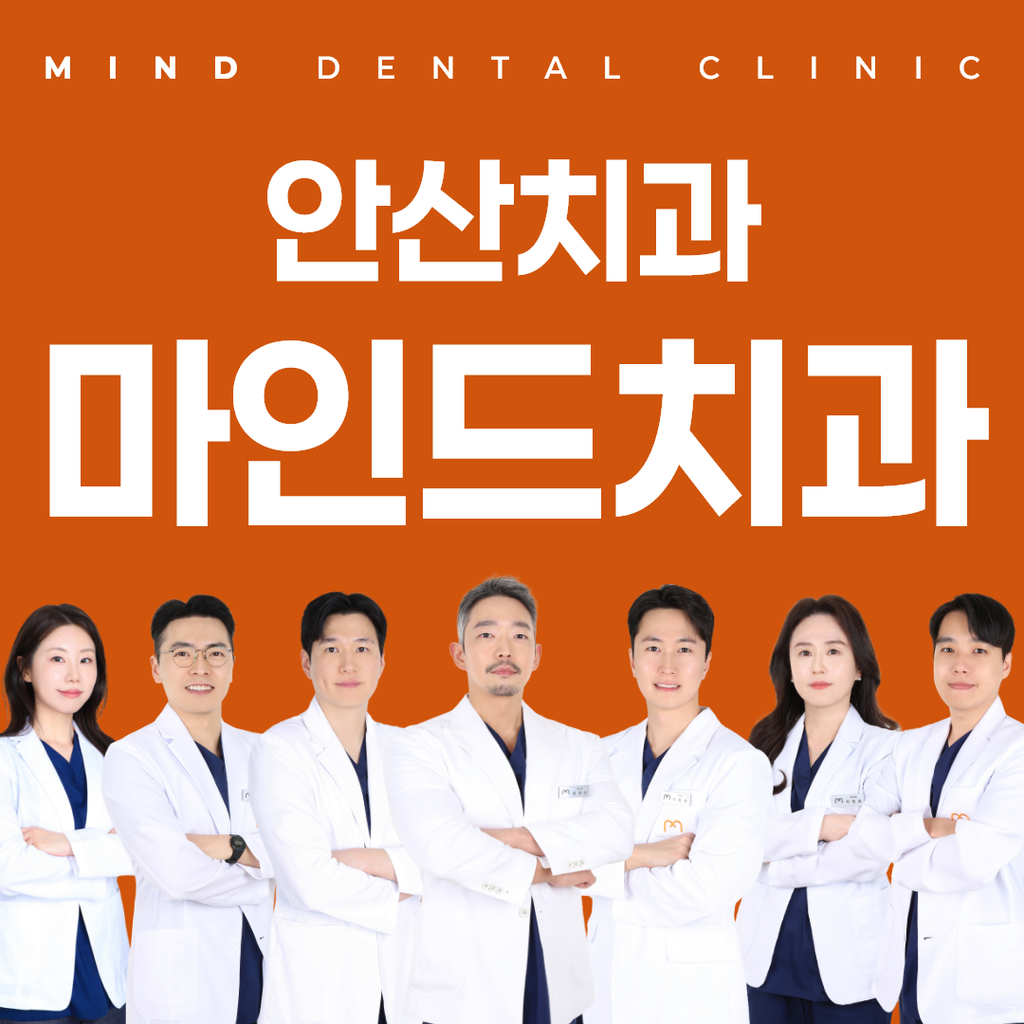
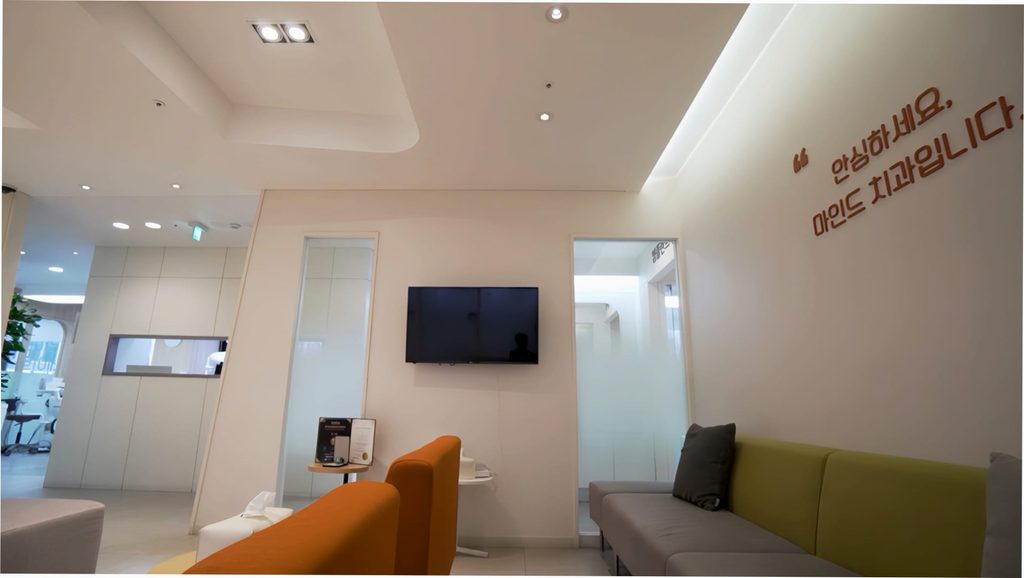
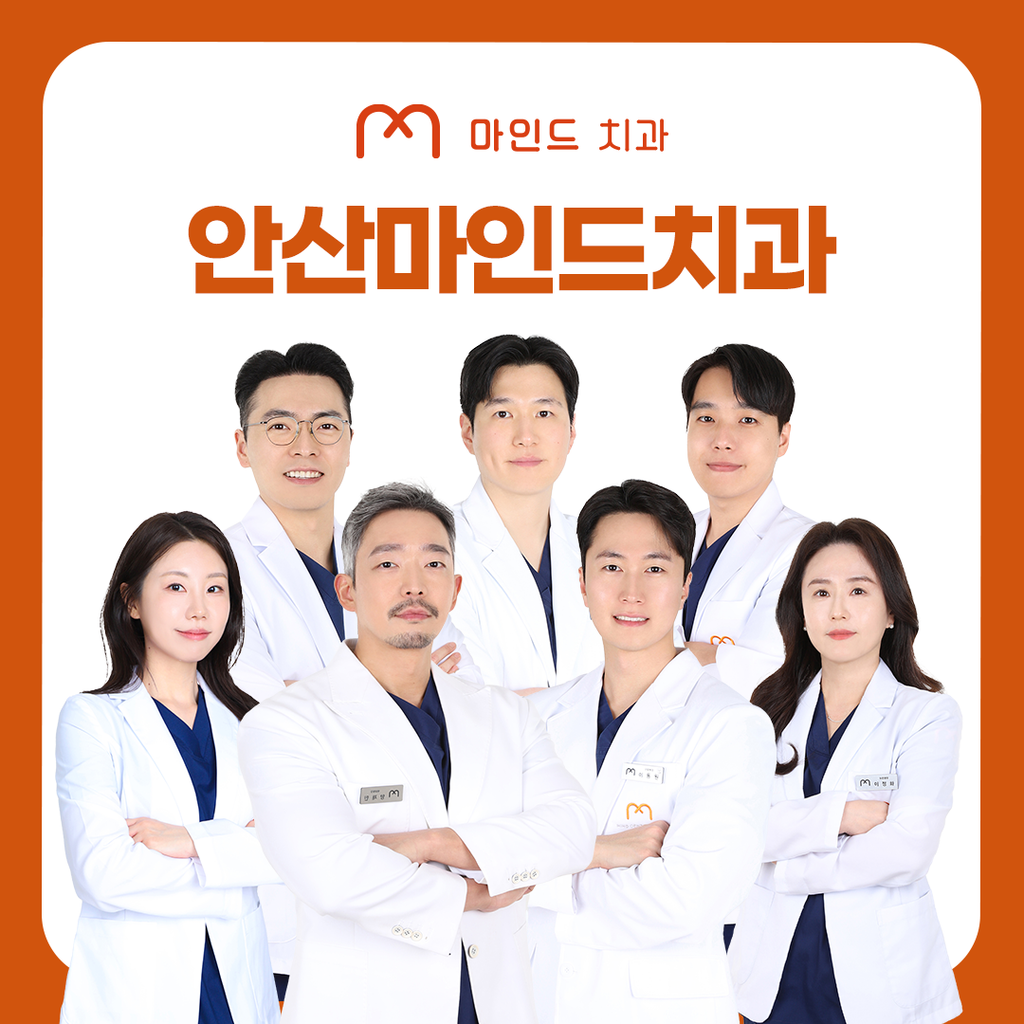
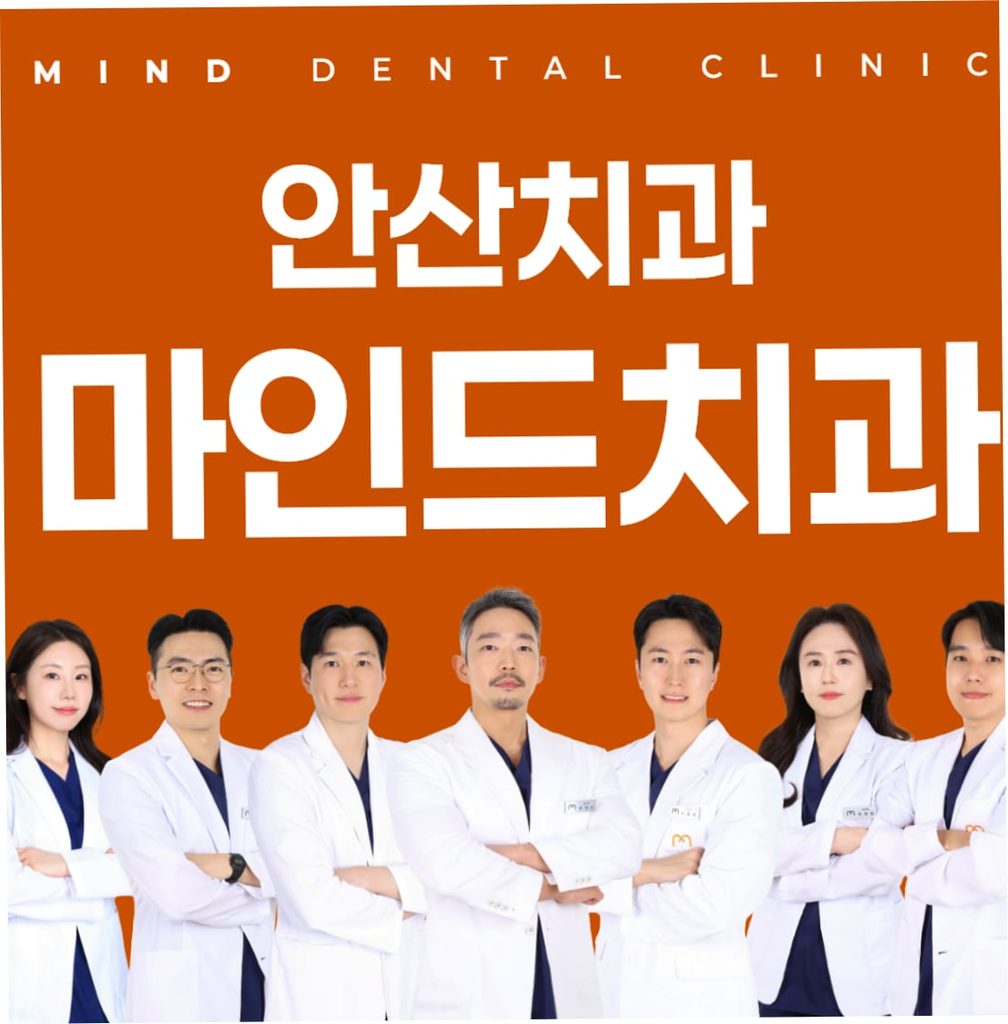
    Mind Dental Clinic

    Mind Dental Clinic Information
    Mind Dental Clinic, located in Ansan, provides advanced dental treatments including dental implants and no-prep veneers.
    Before starting any procedure, patients can receive a comprehensive evaluation of their current oral condition along with a clear explanation of the recommended treatment plan.

    Location
    4th Floor, Central Tower, 72 Gojan-ro, Danwon-gu, Ansan, South Korea

    Phone
    +82-31-401-9375

    Website
    https://minddental.co.kr/

    Hours
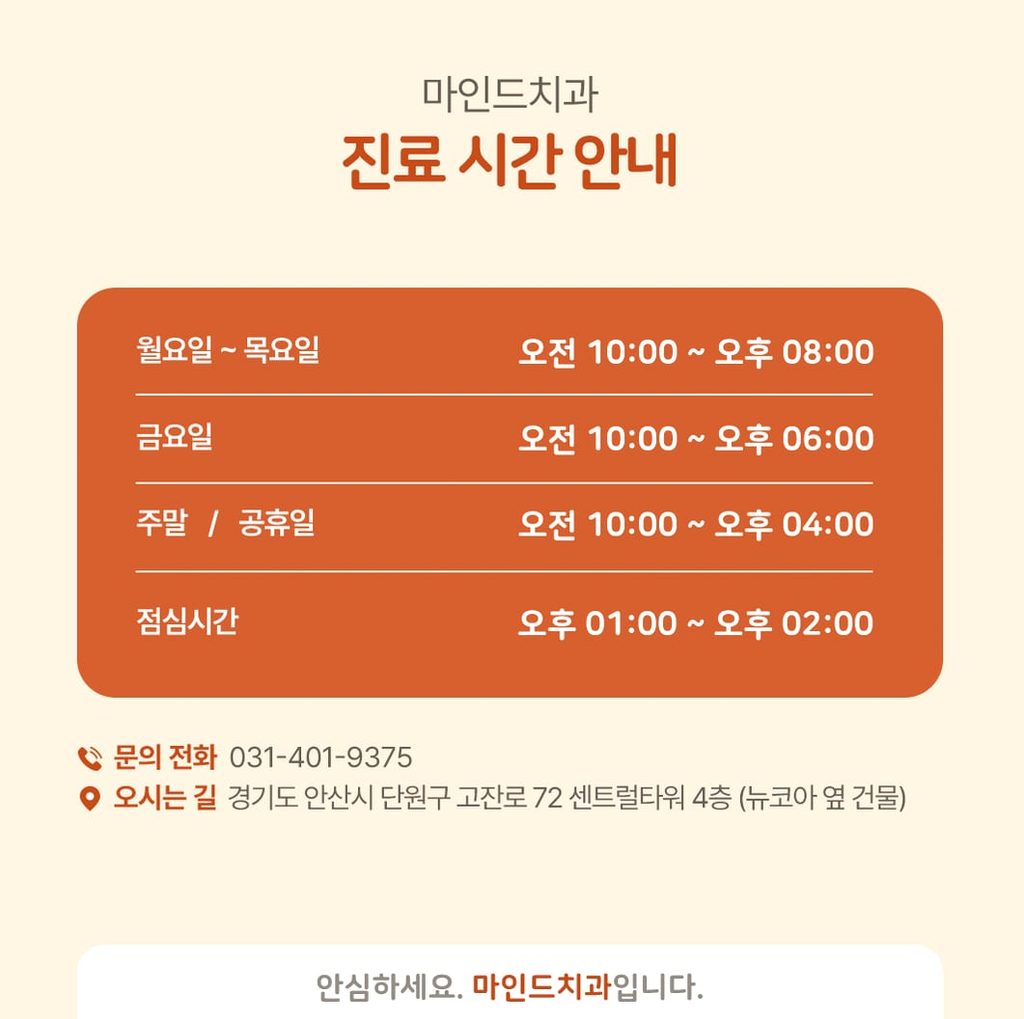
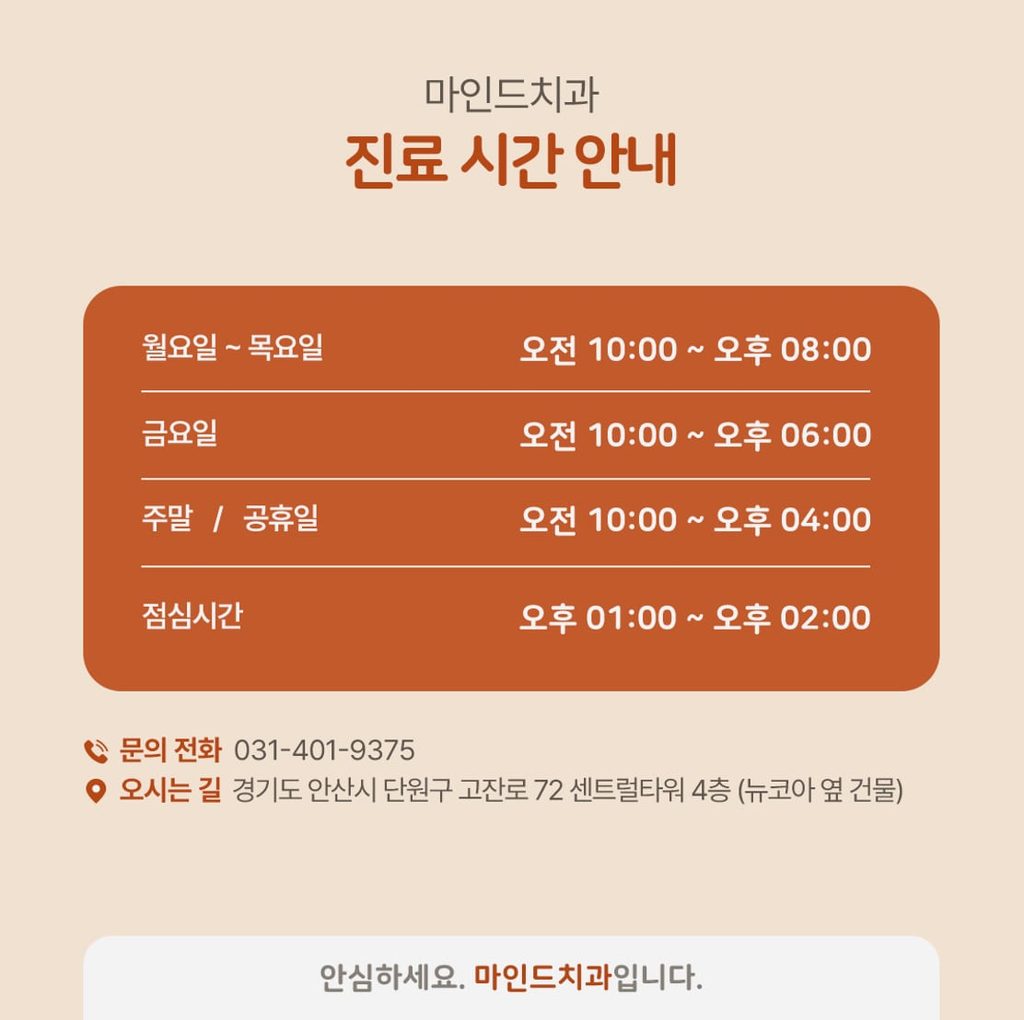
    Mon – Thu: 10:00 AM – 8:00 PM
    Fri: 10:00 AM – 6:00 PM
  • 5 Things to Check Before Choosing a Dental Clinic for Dental Implants in Ansan

    Hello, this is Mind Dental Clinic in Ansan.

    When consulting patients about dental implants, we often hear similar questions.

    “How can I find a clinic that performs implants well?”
    “Prices vary so much between clinics. What should I focus on?”
    “All the advertisements seem similar, which makes the decision even harder.”

    The short answer is that successful implant treatment depends not only on cost or surgical experience, but also on how carefully the diagnosis and treatment plan are established beforehand.

    In our clinic, we frequently meet patients who have already visited several dental offices before coming to us. In many cases, the actual examination results differ from what they initially expected.

    What appears to be a simple case of a missing tooth may reveal insufficient bone volume on a CT scan, or the implant site may be closer to important nerves than anticipated. These findings can significantly change the treatment approach.

    Ansan Dental Implant Treatment

    For this reason, we would like to share five important factors that patients should consider before choosing a clinic for implant treatment in Ansan.

    The first point is whether the clinic performs a thorough diagnostic evaluation.

    Dental implants are not simply about placing an artificial tooth root into an empty space.

    The condition of the jawbone, the presence of inflammation, and the way biting forces are distributed all need to be carefully assessed before treatment begins.

    Many patients ask, “How soon can I get the implant placed?” However, determining the surgery date is usually less important than establishing an accurate diagnosis.

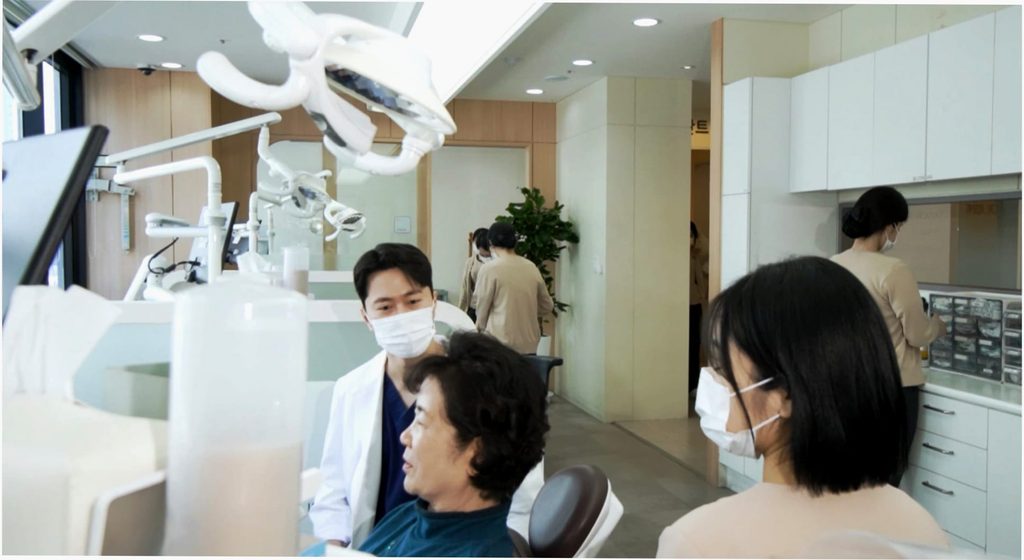
    When choosing a clinic, it is worth paying attention to whether the dental team clearly explains why a specific treatment plan is recommended, rather than simply focusing on when the procedure can be performed.

    The second point is whether the clinic explains the purpose and value of CT imaging.

    One of the most common questions we hear is:

    “Isn’t a regular X-ray enough?”

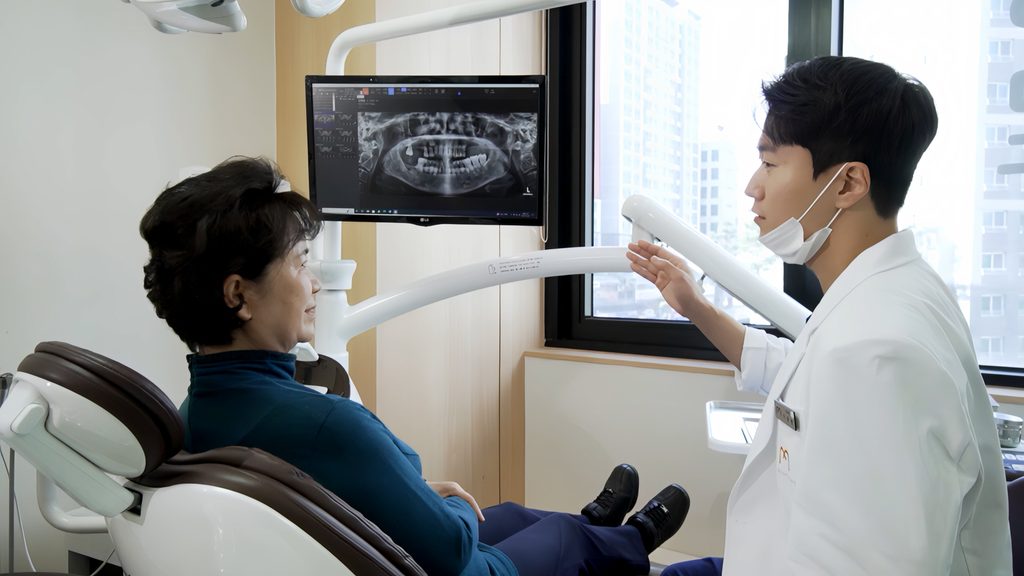
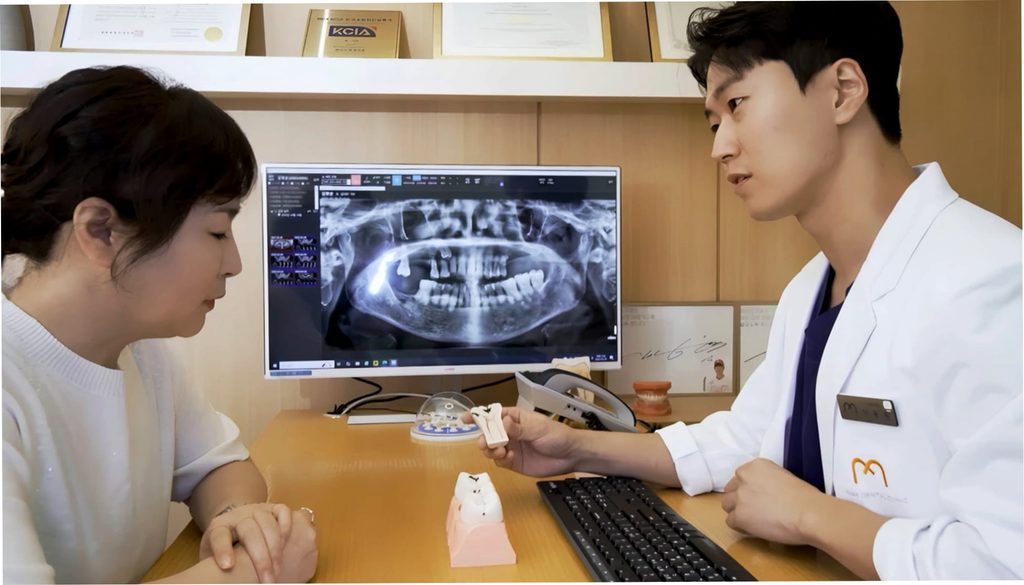
    In many cases, panoramic X-rays alone cannot provide all the information needed for precise implant planning. CT imaging allows dentists to evaluate bone width, bone height, and nerve locations in three dimensions.

    We have seen cases where the bone appeared adequate on initial examination, but a CT scan revealed that the bone width was thinner than expected. As a result, the treatment plan had to be modified.

    This is why the examination process is such an important part of implant treatment. What is visible on the surface does not always reflect the actual clinical situation.

    The third point is whether patients are given enough time to ask questions during the consultation.

    A good consultation is not simply one with a lot of explanations; it is one where meaningful questions and discussions take place.

    Ansan Dental Implant Bone Grafting

    Patients who tend to be more satisfied with their treatment often ask questions such as:

    “Will I need a bone graft?”
    “How long will the entire treatment take?”
    “Will my diabetes medication affect the procedure?”
    “What factors influence the lifespan of an implant?”

    Patients who fully understand the treatment process often feel more comfortable and confident throughout their care.

    The fourth point is whether the clinic explains the final prosthetic plan.

    Many people focus primarily on the implant surgery itself. However, the part that patients actually use for chewing is the final prosthetic restoration attached to the implant.

    While implant placement is important, the design and function of the final restoration are equally significant.

    Even when implants are placed in the same area, the prosthetic plan may vary depending on the patient’s bite, surrounding teeth, and overall oral condition.

    For this reason, it is beneficial to choose a clinic that discusses not only the surgical procedure but also the expected final outcome.

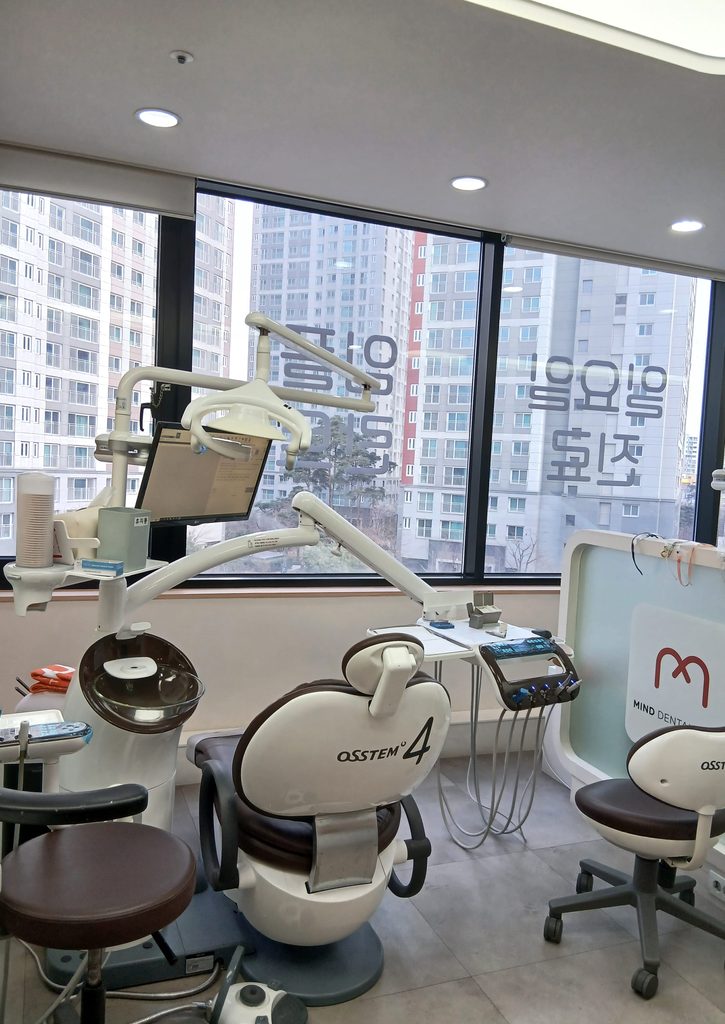
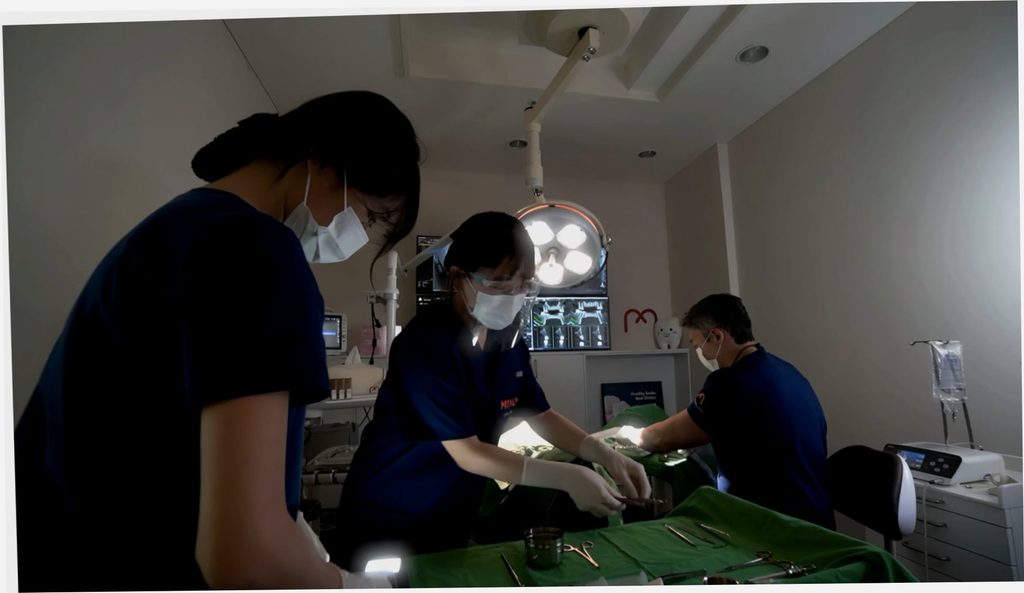
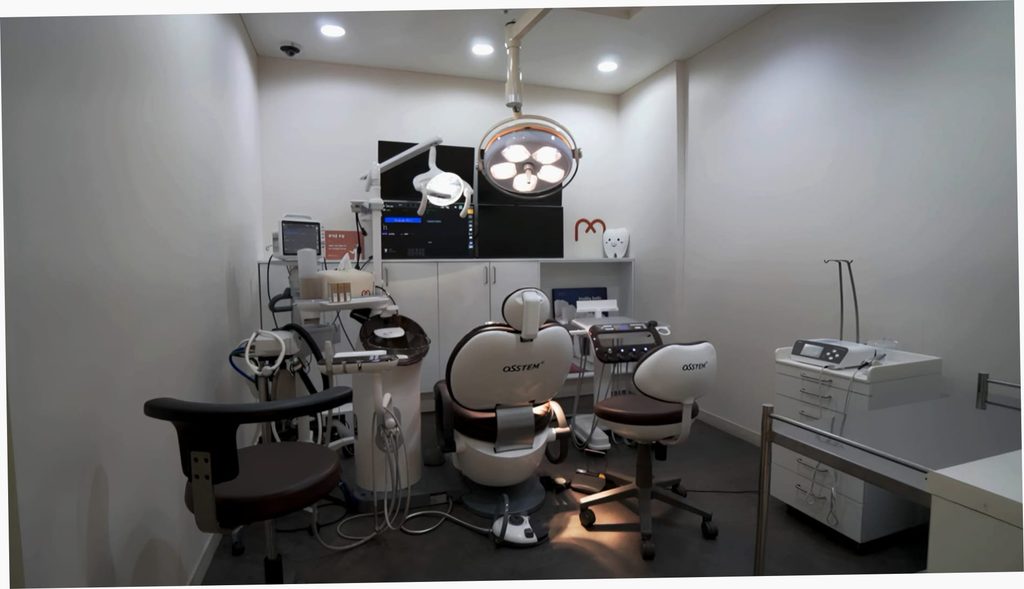
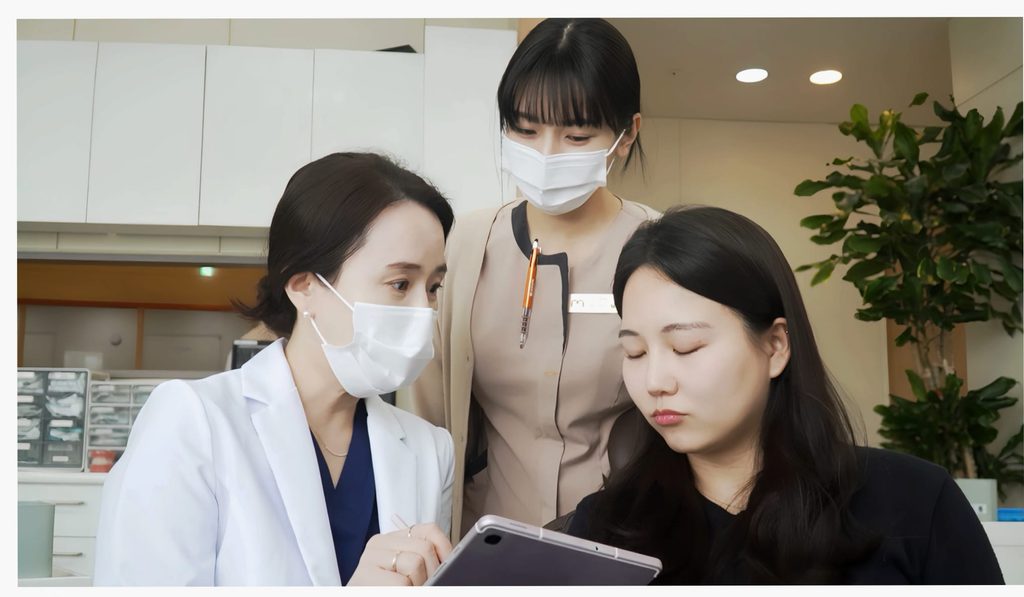
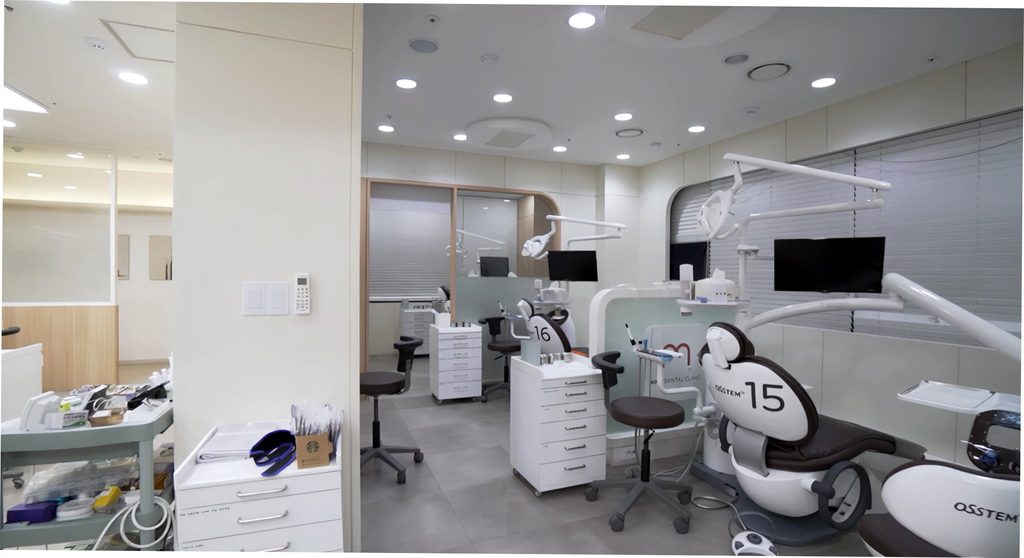
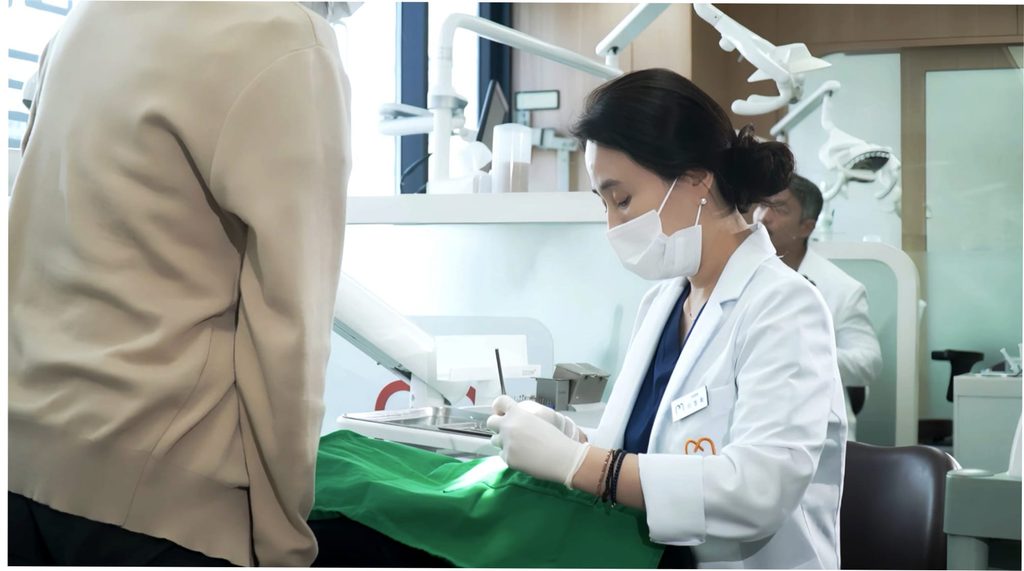
    Ansan Dental Implant Surgery Room

    The fifth point is whether the clinic has a structured maintenance and follow-up care system.

    Implant treatment does not end when the surgery is completed.

    Like natural teeth, implants require ongoing care and regular checkups.

    In our experience, patients who maintain their implants successfully for many years are often those who consistently attend follow-up visits and practice good oral hygiene.

    On the other hand, neglecting maintenance can increase the risk of peri-implant inflammation and other complications.

    Therefore, it is important to consider not only the surgery itself but also the long-term maintenance plan when choosing a clinic.

    Throughout years of clinical practice, we have found that the success of implant treatment is often determined long before the day of surgery.

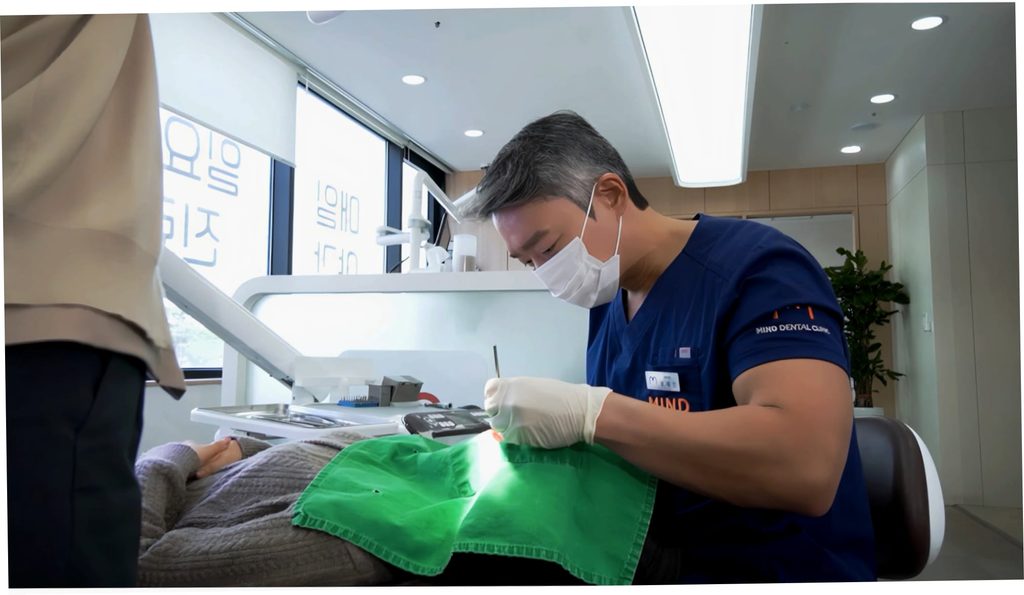
    Ansan Implant Treatment by the Chief Dentist

    Even when two cases appear similar, treatment plans can differ based on bone condition, systemic health, lifestyle habits, and bite relationships.

    The most important factor is accurately understanding the patient’s current oral condition and developing a treatment plan tailored to those individual needs.

    If you are considering dental implant treatment in Ansan, we encourage you to evaluate more than just pricing or promotional offers. Pay close attention to the diagnostic process, treatment planning, and long-term maintenance system provided by the clinic.

    An accurate diagnosis and appropriate treatment plan should always be based on the individual’s oral condition and require professional clinical judgment.

    Mind Dental Clinic

    Mind Dental Clinic Information
    Mind Dental Clinic, located in Ansan, provides advanced dental treatments including dental implants and no-prep veneers.
    Before starting any procedure, patients can receive a comprehensive evaluation of their current oral condition along with a clear explanation of the recommended treatment plan.

    Location
    4th Floor, Central Tower, 72 Gojan-ro, Danwon-gu, Ansan, South Korea

    Phone
    +82-31-401-9375

    Website
    https://minddental.co.kr/

    Hours
    Mon – Thu: 10:00 AM – 8:00 PM
    Fri: 10:00 AM – 6:00 PM

    Public Holidays: 10:00 AM – 4:00 PM