
Hello, this is Ansan Mind Dental. If you are considering a dental bridge, you likely want a clear sense of the steps involved and how long the whole process will take. Below I explain the typical workflow, what affects the timeline, common sensations during treatment, and practical care advice in a straightforward consultation style.

When is a dental bridge appropriate?
A dental bridge replaces a missing tooth by anchoring a prosthesis to the teeth on either side. Deciding whether a bridge is suitable focuses on whether the adjacent (abutment) teeth are healthy enough to support the restoration and whether the surrounding gum and bone are stable.
Key assessment items:
- Missing tooth position: front tooth or molar affects aesthetic and functional needs.
- Condition of adjacent teeth: caries, mobility, existing crowns influence feasibility.
- Gum and bone health: inflammation or bone loss may require pre-treatment.
- Bite (occlusion): chewing forces and bite direction affect bridge design.
Performing these checks helps determine whether a dental bridge, an implant, or a removable partial denture is the best option for your situation.
What are the steps and how long does dental bridge treatment take?
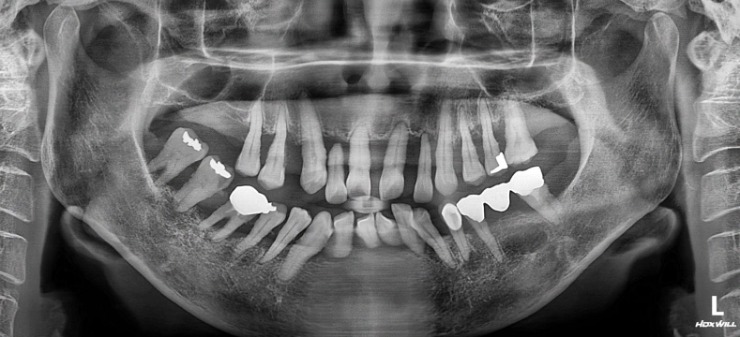
The dental bridge treatment pathway generally follows these stages: examination and diagnosis, preparation of abutment teeth, impression or intraoral scan, temporary restoration, and final placement. The exact sequence and length depend on the health of the remaining teeth and whether additional treatments (root canal, periodontal therapy) are needed.
Typical timeline (example):
- Examination & diagnosis: X-ray, bite check, treatment planning — usually one visit.
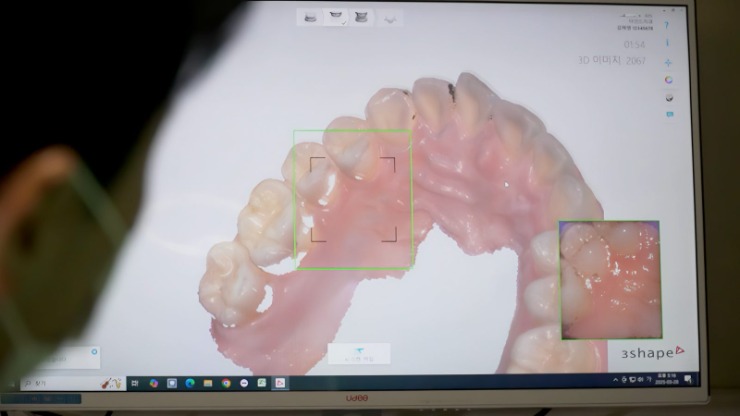
- Tooth preparation: shaping the abutment teeth and taking an impression or scan — one visit.
- Temporary crown/bridge: worn while the laboratory or milling unit fabricates the final prosthesis — several days to about one week.
- Final placement: fitting, occlusion adjustment, and cementation — one visit.
In straightforward cases, the whole process can be completed in about 1–2 weeks. If root canal therapy, gum treatment, or other preparatory care is required, the overall treatment duration may be extended.
What discomfort should you expect during the process?
Some temporary or mild sensations are common but usually manageable:
- Sensitivity: after tooth preparation you may feel transient sensitivity to cold or hot.
- Foreign-body feeling: the temporary bridge can feel bulky or unfamiliar at first.
- Food catching: temporary or final margins can trap food until you learn cleaning techniques.
- Bite changes: you may notice height or contact differences initially; persistent problems should be adjusted.
When to contact your clinic:
- Increasing or prolonged pain rather than gradual improvement.
- Repeated one-sided contact when biting.
- Significant swelling, persistent bad odor, or signs of infection.
How to care for a dental bridge so it lasts
A bridge requires ongoing care because it relies on the supporting teeth and surrounding gum:
- Daily interdental cleaning: use floss, interdental brushes, or superfloss under the pontic.
- Avoid repeatedly chewing very hard or sticky foods on the restored area.
- If you grind or clench your teeth, discuss protection options such as a night guard.
- Maintain regular dental check-ups to monitor margin fit, gum health, and occlusion.
How does a bridge compare with other options?
A bridge is one of several ways to replace a missing tooth. Important comparison points:
- Bridge: typically avoids surgery and can be completed relatively quickly but may require reduction of adjacent teeth.
- Implant: preserves adjacent teeth but requires sufficient bone and a surgical procedure; treatment time can be longer.
- Removable partial denture: useful for multiple missing teeth and is non-invasive, but requires daily insertion/removal and maintenance.
Choosing the right option depends on the condition of adjacent teeth, bone and gum health, overall health, treatment time preferences, and your ability to maintain oral hygiene. A clinical examination and imaging are needed for a reliable recommendation.

FAQ
Q. How many visits and days are usually needed for a dental bridge?
A. In straightforward cases, most patients complete the process in about 1–2 weeks across 2–4 visits: examination, tooth preparation and impression/scan, temporary fitting, and final placement. Additional treatments like root canal or gum therapy will extend the schedule.
Q. Will getting a dental bridge be painful?
A. Local anesthesia is commonly used during tooth preparation, so pain is minimal during the procedure. Afterward you may feel temporary sensitivity or mild discomfort; if severe pain or prolonged symptoms occur, you should contact the clinic for assessment.
Q. How should I clean and maintain a dental bridge?
A. Daily interdental cleaning with floss, interdental brushes, or superfloss under the pontic is important. Avoid repeatedly chewing very hard or sticky foods on the bridge, attend regular dental check-ups, and discuss a night guard if you grind your teeth.

Mind Dental Clinic Information
Mind Dental Clinic, located in Ansan, provides advanced dental treatments including dental implants and no-prep veneers.
Before starting any procedure, patients can receive a comprehensive evaluation of their current oral condition along with a clear explanation of the recommended treatment plan.
Location
4th Floor, Central Tower, 72 Gojan-ro, Danwon-gu, Ansan, South Korea
Phone
+82-31-401-9375
Website
Hours
Mon – Thu: 10:00 AM – 8:00 PM
Fri: 10:00 AM – 6:00 PM
Public Holidays: 10:00 AM – 4:00 PM