• Ansan Jungang-dong Dental Clinic: Why Do Cavities Keep Coming Back Even After Treatment?

    Ansan Jungang-dong Dental Clinic: Why Do Cavities Keep Coming Back Even After Treatment?

    “Doctor, I had a cavity treated not long ago, but now I have another one.”

    This is something we hear quite often in the dental office.

    When a new cavity is discovered only a few months after treatment, many patients wonder whether something went wrong with the previous treatment.

    To begin with the conclusion, adult cavities are not determined solely by how often you brush your teeth.

    In fact, we often meet patients who brush diligently but still experience recurrent cavities. In many of these cases, daily lifestyle habits play a greater role than the teeth themselves.

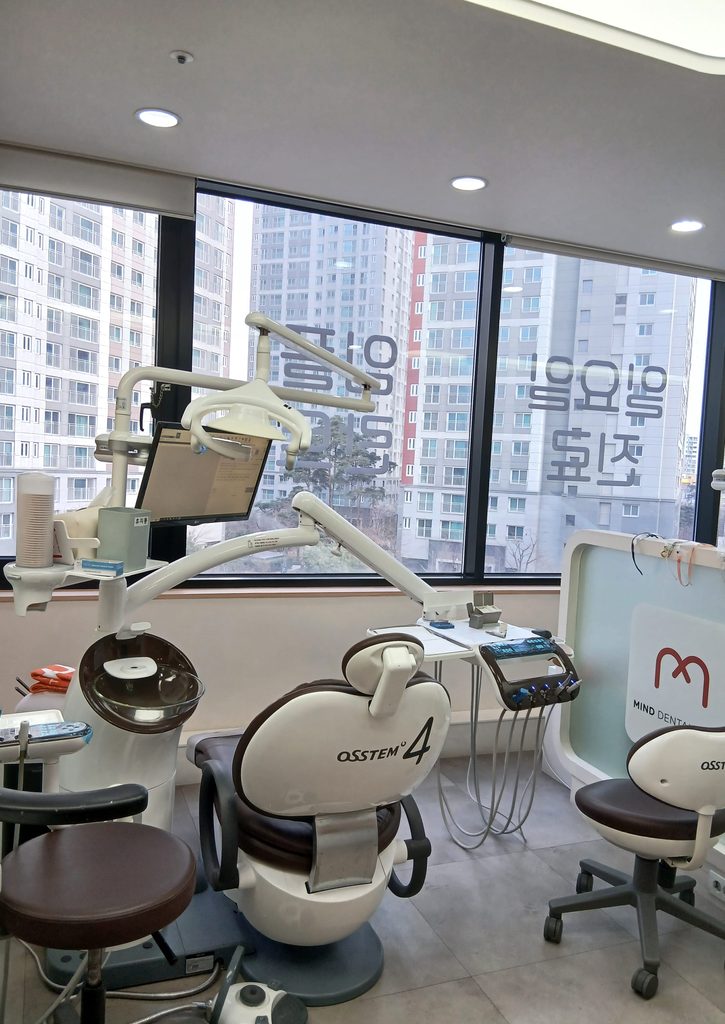
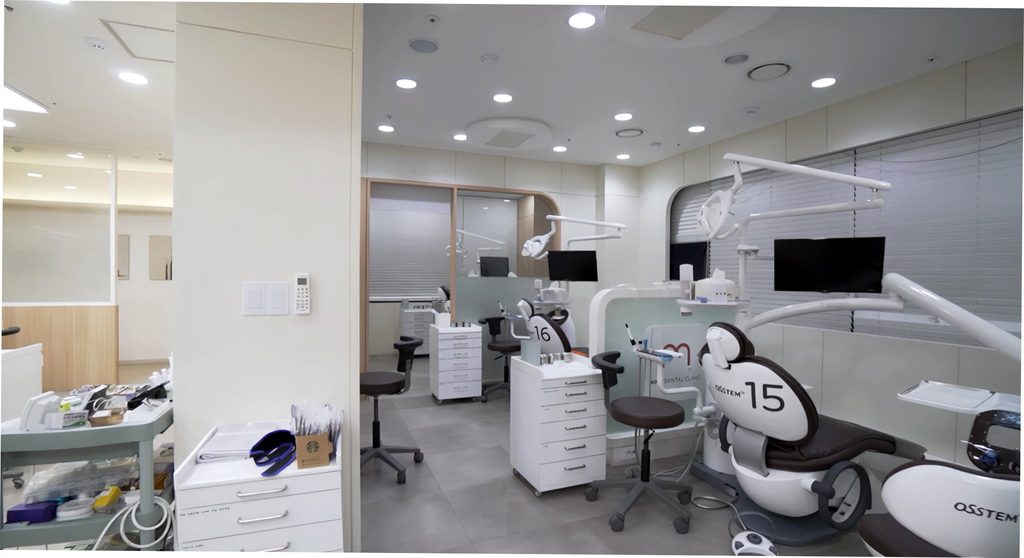
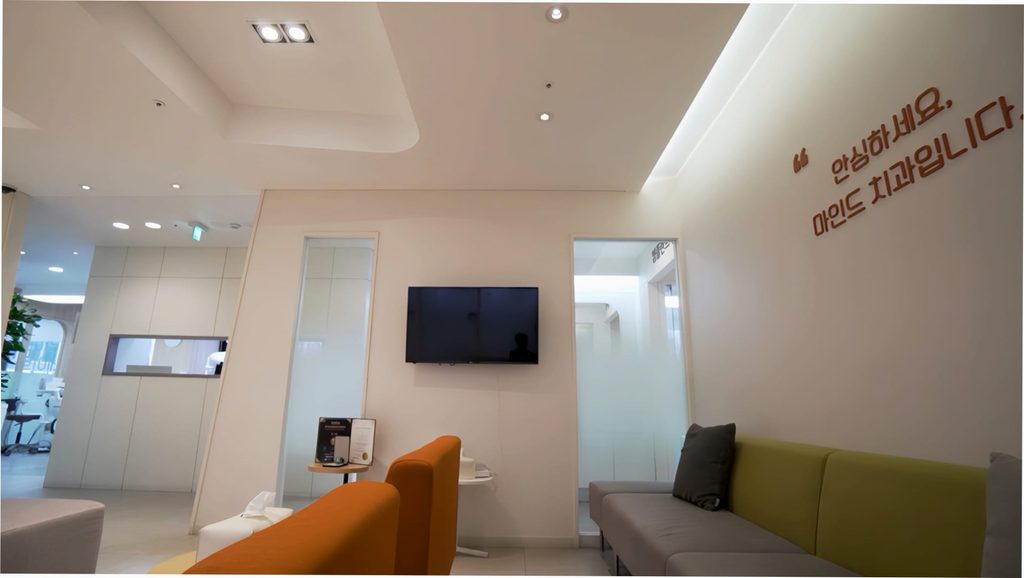
    Adult Dental Cavities in Ansan Jungang-dong

    When consulting with patients visiting our Ansan Jungang-dong dental clinic, we frequently find that lifestyle patterns deserve as much attention as the cavity treatment itself.

    So why do cavities keep returning?

    Many people assume cavities develop simply because they eat too many sweet foods.

    While food choices can certainly play a role, how often you eat is often more important than what you eat.

    Patients sometimes tell us,

    “I hardly eat sweets.”

    However, after discussing their daily routines in more detail, we often discover a different picture: morning coffee, a mid-morning snack, a drink after lunch, afternoon coffee, an evening snack, and sometimes late-night food.

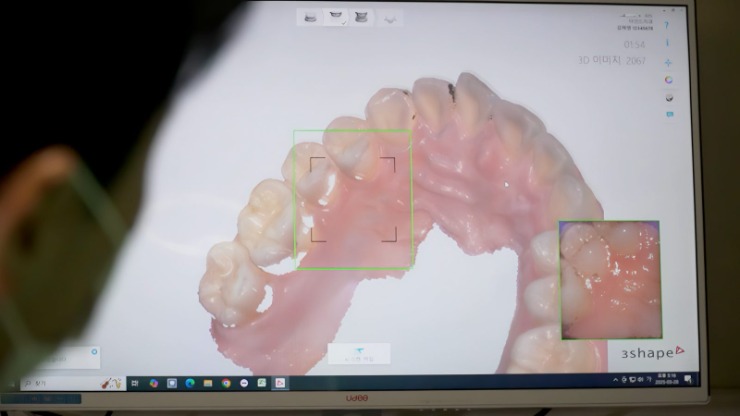
    Tooth Decay Treatment in Ansan Jungang-dong

    This means the mouth is exposed to food and beverages throughout the day.

    Whenever food or drinks are consumed, the oral environment becomes more acidic. Normally, saliva helps the mouth recover and return to a healthier balance. However, when eating or drinking occurs frequently, the mouth may not have enough time to recover.

    In clinical practice, we often see recurrent cavities more frequently in people who eat often rather than those who simply eat larger amounts.

    Coffee habits can also have an influence.

    Many patients ask whether coffee itself causes cavities. In most cases, the concern is not the coffee alone but the ingredients added to it, such as syrup, sugar, creamers, or flavored powders.

    Another important factor is how the coffee is consumed.

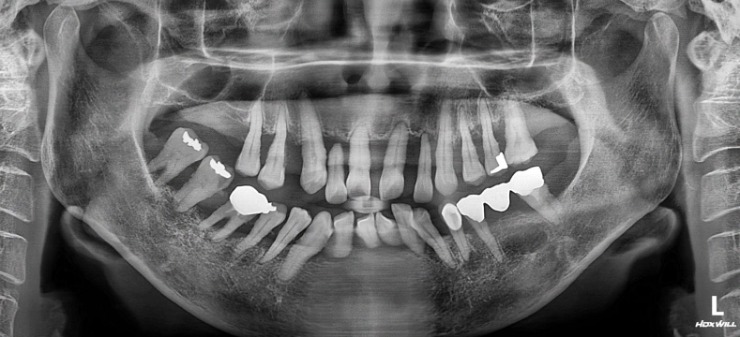
    Dental Checkup in Ansan Jungang-dong

    Some patients tell us:

    “I sip an iced latte all morning.”

    “I carry a tumbler and drink it little by little throughout the afternoon.”

    These habits can keep the teeth exposed to sugar for extended periods.

    This does not mean you must stop drinking coffee. However, drinking a glass of water afterward may help maintain a healthier oral environment.

    Another common question is:

    “Why do I get cavities even though I brush my teeth regularly?”

    This is often the most frustrating part for patients.

    In reality, the number of times you brush may be less important than whether difficult-to-clean areas are being properly managed.

    Examples include:

    • Between the teeth
    • Deep grooves in the molars
    • Along the gumline
    • Around existing fillings
    • Around crown margins

    These areas can be difficult to clean thoroughly with a toothbrush alone.

    In addition, even if someone brushes three times a day, frequent snacking or beverage consumption between brushing sessions may still increase the risk of cavities.

    For this reason, cavity prevention involves more than brushing frequency. Daily habits and eating patterns should also be considered.

    When evaluating patients with recurrent cavities, there are several habits we routinely discuss:

    • Frequency of coffee or beverage consumption
    • Snacking habits
    • Whether dental floss is used
    • Late-night eating habits
    • Dry mouth symptoms
    • Regular dental checkup intervals
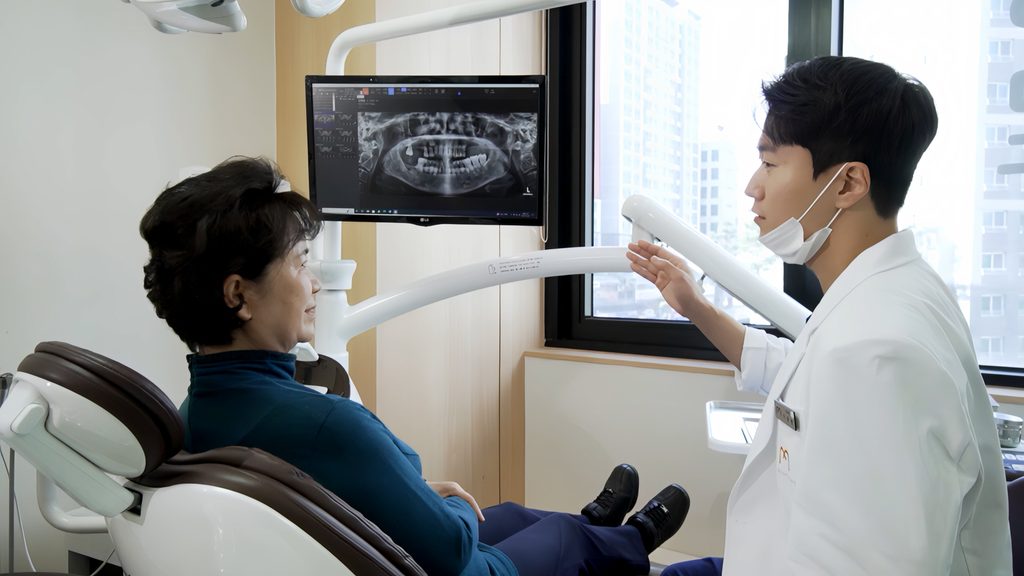
    Tooth Decay Consultation in Ansan Jungang-dong

    It is not unusual for patients with repeated cavities to identify with several of these factors.

    Regular dental examinations are also important.

    Early-stage cavities often cause little or no discomfort.

    As a result, waiting until symptoms appear may allow the cavity to become larger before it is detected.

    Patients who have had multiple cavity treatments in recent years, extensive fillings or inlays, orthodontic treatment, or significant dry mouth may benefit from maintaining regular dental checkups.

    In our experience providing cavity treatment in Ansan, we often find that meal timing and beverage habits contribute more to recurrent cavities than specific food choices.

    Every patient is different.

    Even people with similar brushing habits may have different cavity risks depending on their lifestyle patterns.

    Ultimately, the most important factor is not only treating cavities but also identifying and addressing the conditions that allow them to develop repeatedly.

    If you continue to experience cavities despite previous treatment, it may be helpful to look beyond the treated tooth and review your daily habits as well.

    What mattered most was managing the environment that allowed cavities to form in the first place.

    An accurate diagnosis and treatment plan require professional evaluation by a dental professional.

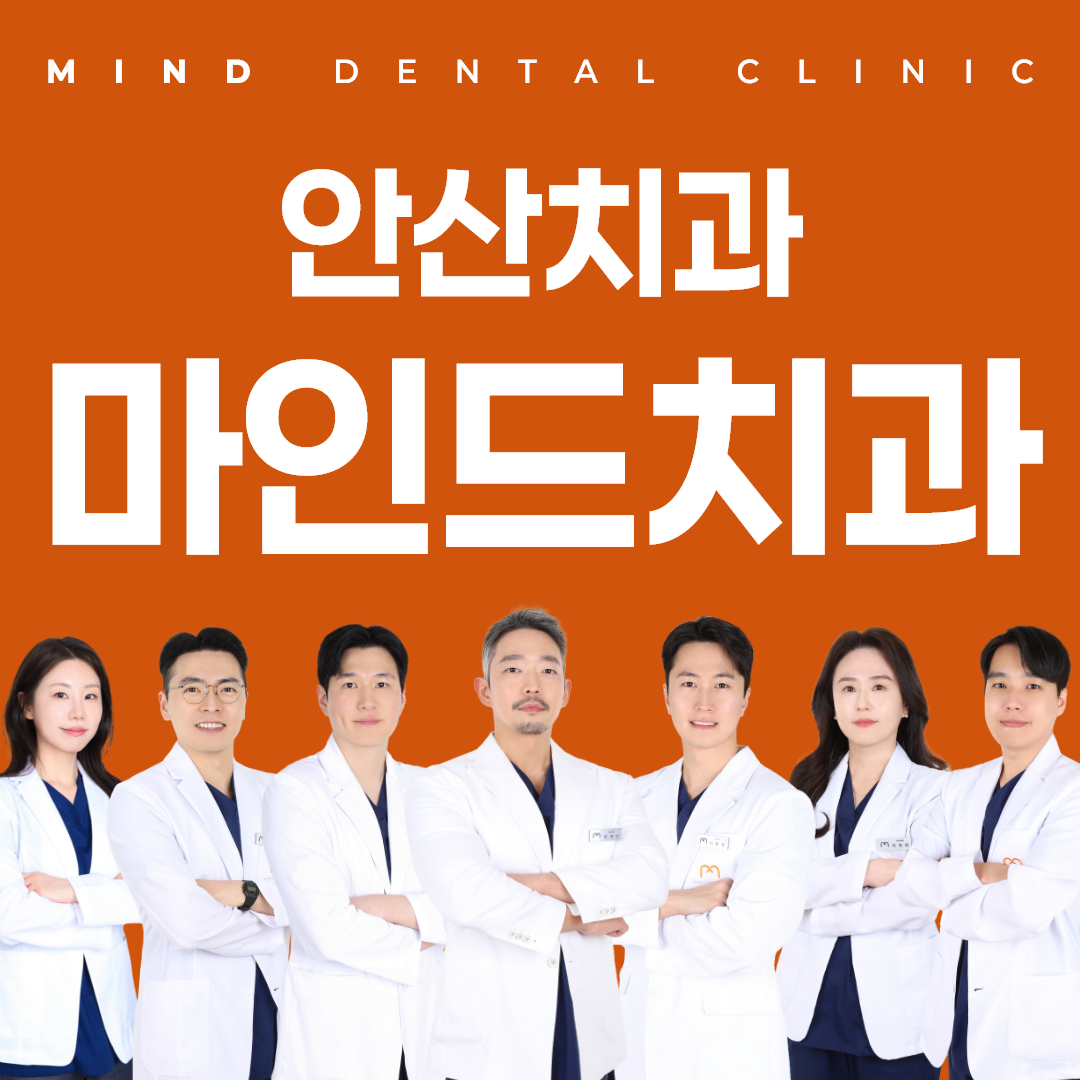
    Ansan Mind Dental Clinic Branding

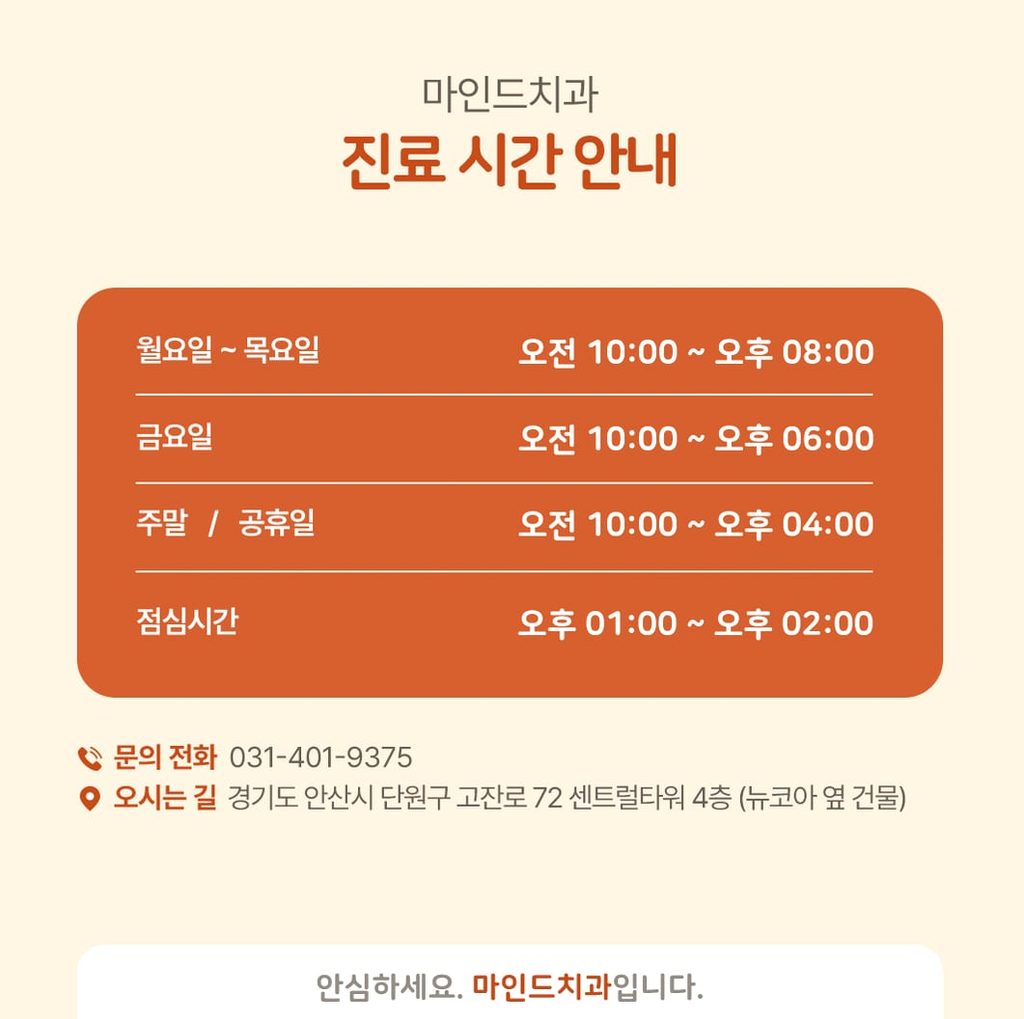
    Location
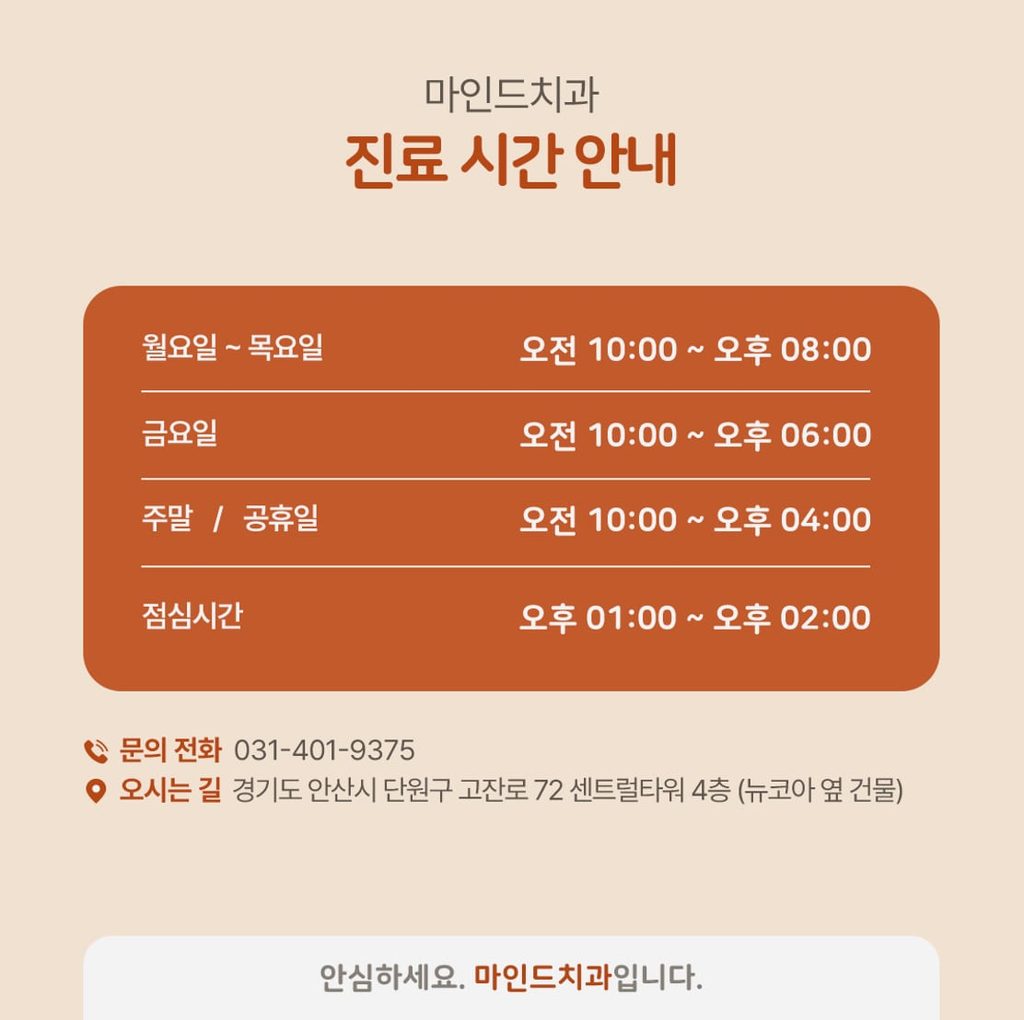
    4th Floor, Central Tower, 72 Gojan-ro, Danwon-gu, Ansan, South Korea

    Phone
    +82-31-401-9375

    Website
    https://minddental.co.kr/

    Hours
    Mon – Thu: 10:00 AM – 8:00 PM
    Fri: 10:00 AM – 6:00 PM
    Public Holidays: 10:00 AM – 4:00 PM
  • Ansan Root Canal Treatment: Is It Normal Ifthe Pain Feels Worse After Treatment?

    Ansan Root Canal Treatment: Is It Normal Ifthe Pain Feels Worse After Treatment?

    “Doctor, I had a root canal treatment, but it actually feels more painful now.”
    This is one of the most common concerns we hear in the clinic after root canal treatment.
    To start with the conclusion, it is possible for discomfort or pain to feel stronger after a root canal procedure.
    However, what matters most is not simply whether pain exists, but how it presents and whether it is gradually improving or becoming worse over time.

    Ansan Dental Clinic

    In many cases, patients who returned to our Ansan dental clinic worried about posttreatment pain were experiencing a normal healing process. On the other hand, there were also cases where delaying a follow-up visit allowed inflammation to progress further.


    Why does this happen?
    Many people assume that once the nerve is removed, all pain should disappear immediately.
    In reality, root canal treatment removes the infected nerve tissue inside the tooth, but it does not instantly heal the surrounding tissues around the root.
    The periodontal ligament and surrounding bone tissues remain outside the tooth root. If significant inflammation existed before treatment, these tissues may require additional time to recover even after the infected nerve has been removed.
    In simple terms, the problem inside the tooth may have been addressed, but the tissues around the tooth could still be in the healing phase. In the clinic, we often observed that teeth causing severe pain before treatment were more likely to remain sensitive or uncomfortable for several days after the procedure.


    Some patients contact us the day after treatment and say:
    “Doctor, it hurts more today than it did yesterday. Was something done incorrectly?”
    To begin with the answer, this type of reaction is not uncommon.
    During root canal treatment, infected tissue is removed and the root canal system is cleaned and disinfected. As a result, the tissues around the root tip may become
    temporarily irritated.

    Ansan Dental Clinic – Root Canal Treatment


    Because of this, some patients experience more throbbing discomfort or tenderness the
    day after treatment than they did on the day of the procedure.
    In many cases, no abnormal findings are present, and the discomfort gradually improves within a few days as healing progresses.
    Another common concern involves pain when chewing.
    Patients often tell us, “It doesn’t hurt when I’m resting, but it hurts when I bite down.”
    When this happens, one of the first things we evaluate is the patient’s bite. Temporary filling material used during treatment may occasionally sit slightly high,
    causing additional pressure on the treated tooth during chewing.
    Another possible reason is healing of the periodontal ligament.
    When inflammation has been present around the root, the surrounding tissues often need time to recover. During this period, patients may notice a feeling of pressure,
    soreness, or discomfort when biting.

    Ansan Dental Clinic – Root Canal Treatment


    However, if the pain does not gradually improve, or if it begins occurring even without
    chewing, a follow-up examination may be necessary.
    Some patients also notice that the pain feels worse at night.
    This can occur because changes in body position and blood flow, combined with a quieter environment, may make discomfort feel more noticeable.
    We frequently hear concerns about increased nighttime pain following root canal treatment.
    However, if the pain becomes severe enough to interfere with sleep, persists for several days, or continues worsening, additional evaluation may be appropriate.

    Ansan Dental Clinic – Root Canal Treatment


    So when should you contact your dentist again?
    We generally recommend re-evaluation if any of the following symptoms occur:
    ● Noticeable swelling of the gums
    ● Swelling that extends to the face
    ● A feeling of warmth or heat around the area
    ● Pus drainage
    ● Pain that continues to worsen despite taking prescribed medication
    These symptoms may indicate that further assessment is needed rather than a routine
    healing response.
    It is also important to remember that a tooth remains relatively vulnerable until treatment is fully completed.
    Avoiding hard foods, taking prescribed medications as directed, and contacting the clinic if a temporary filling comes loose can all help support the healing process.
    In clinical practice, we often focus less on whether pain exists and more on how it changes over time.
    Every patient can experience recovery differently.
    If the discomfort gradually improves day by day, it is often part of the normal healing process. However, if the pain becomes progressively worse or is accompanied by swelling,
    heat, or drainage, the condition should be reassessed.
    Ultimately, the most important factor is not simply the presence of pain but the pattern of change in that pain.


    An accurate diagnosis and treatment plan require professional evaluation by a dental
    professional.

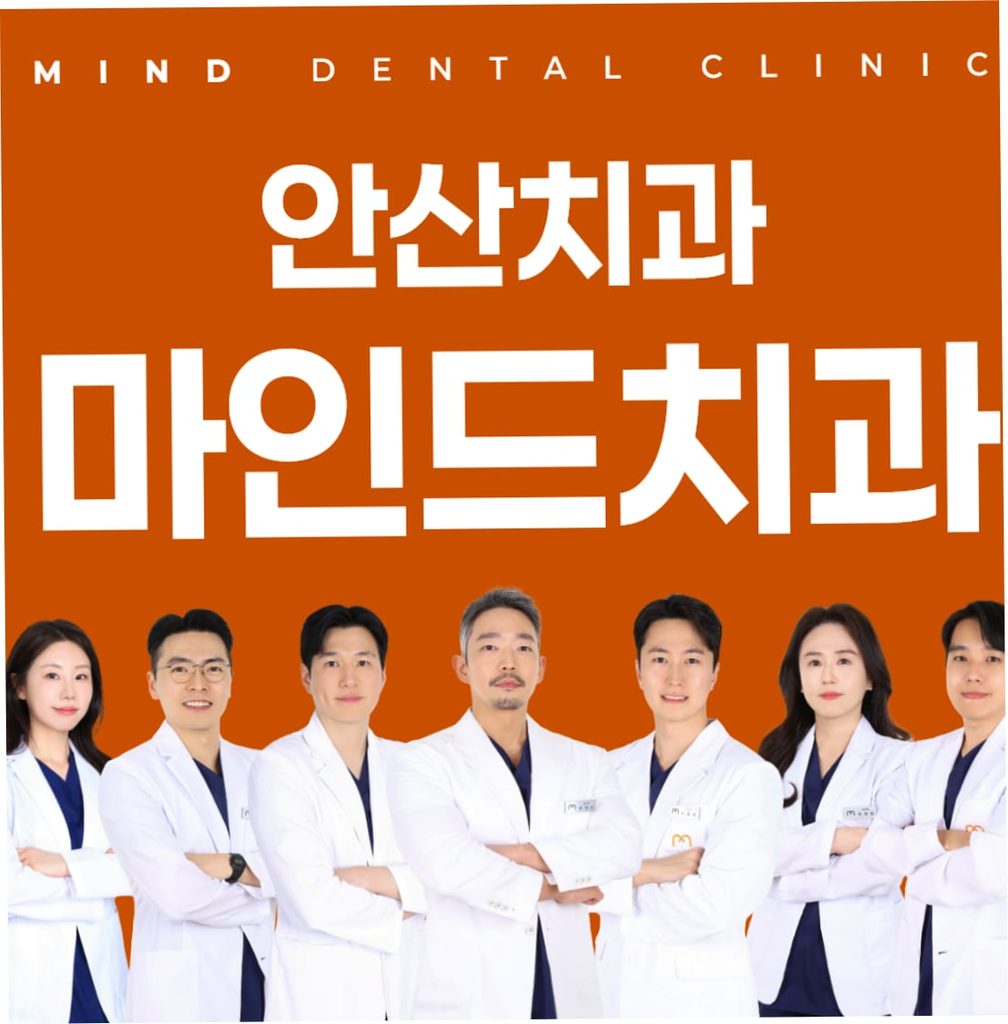
    Mind Dental Clinic Information
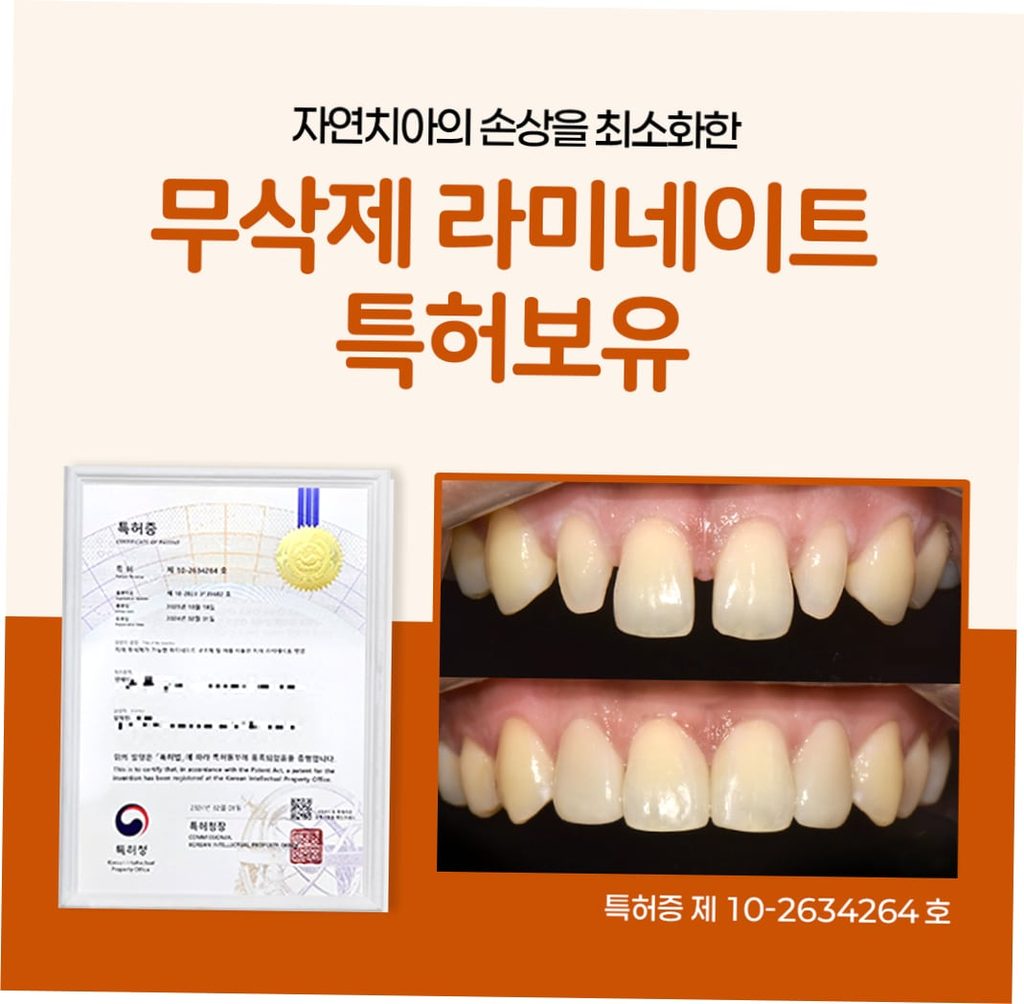
    Mind Dental Clinic, located in Ansan, provides advanced dental treatments including dental implants and no-prep veneers.
    Before starting any procedure, patients can receive a comprehensive evaluation of their current oral condition along with a clear explanation of the recommended treatment plan.

    Location
    4th Floor, Central Tower, 72 Gojan-ro, Danwon-gu, Ansan, South Korea

    Phone
    +82-31-401-9375

    Website
    https://minddental.co.kr/

    Hours
    Mon – Thu: 10:00 AM – 8:00 PM
    Fri: 10:00 AM – 6:00 PM
    Public Holidays: 10:00 AM – 4:00 PM