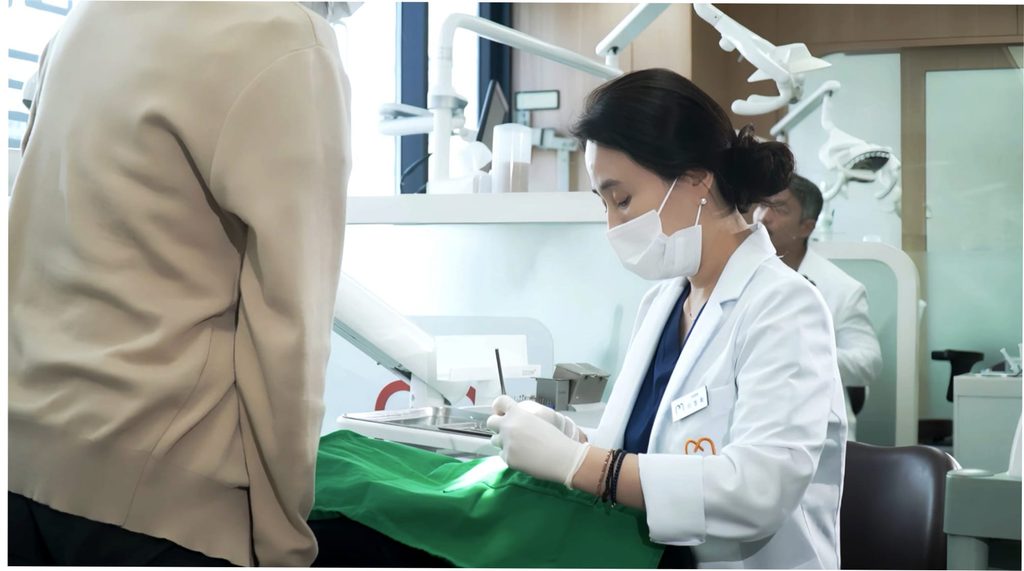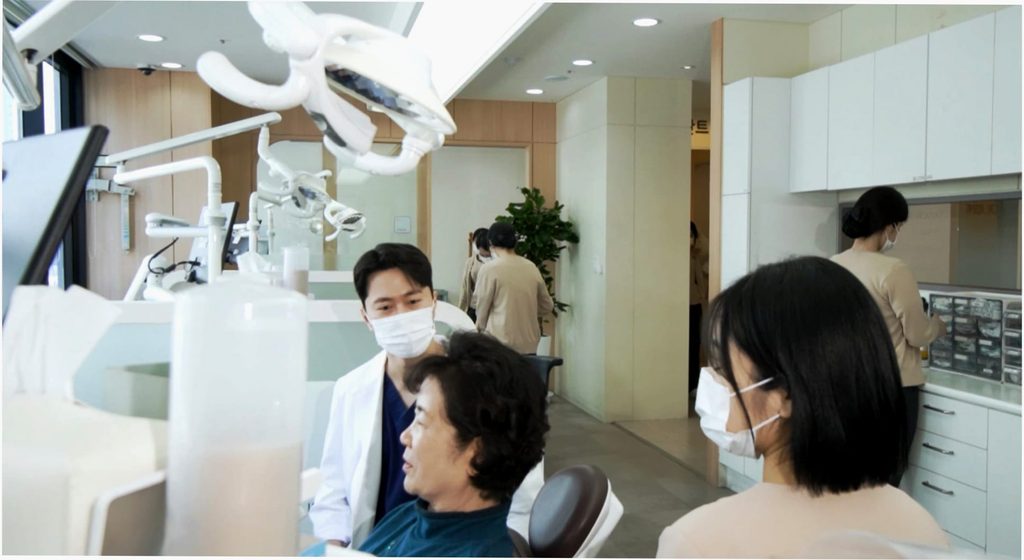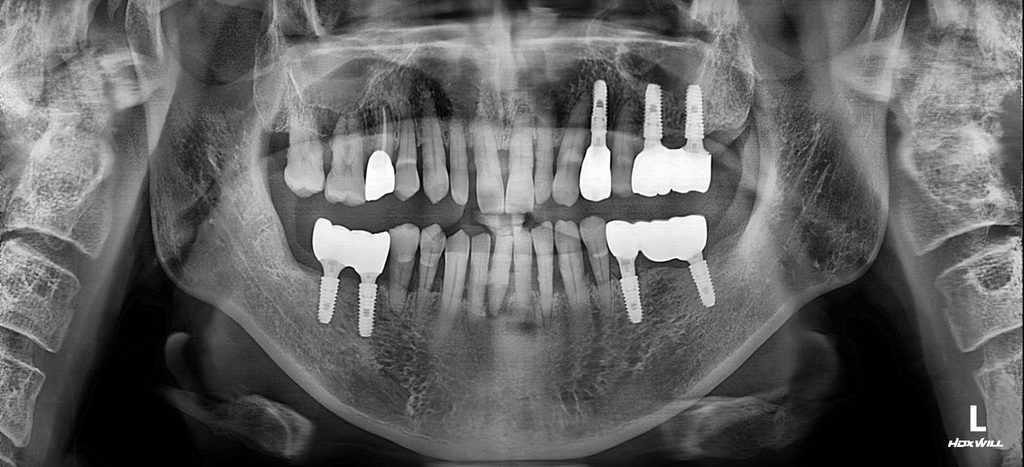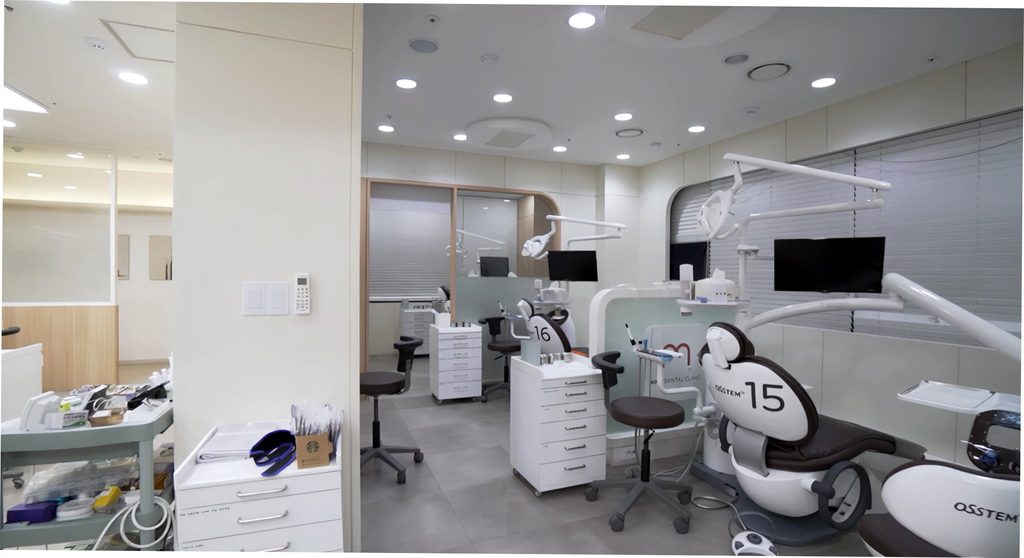
Are you noticing food getting stuck after a new prosthesis?
Many patients worry that food impaction means the prosthesis must be remade immediately. In most cases, however, the cause is not a single problem. Before deciding on remaking a restoration, a careful assessment of contact points, crown margins, gum changes, and bite height is needed. This guide explains what we check in the clinic and how you can manage mild problems at home.
Why does food get stuck after prosthetic treatment?
There are several possible reasons for food impaction after dental work. The common checks include whether the contact between adjacent teeth is adequate, whether the prosthesis contours meet the gum smoothly, and whether chewing forces are uneven. Timing matters: if the issue appears immediately after treatment, contact points and occlusion are likely involved; if it develops later, gum recession or drift of neighboring teeth may be the cause.
Typical aspects we examine:
Contact point strength between teeth
Prosthesis shape and margin adaptation to the gum
Gum condition (inflammation, recession)
Direction and distribution of chewing forces
How can you tell if this is normal adaptation or needs attention?
New restorations often feel strange for a few days as the tongue and muscles adapt. However, repeated food impaction accompanied by gum pain, bleeding, or bad odor should prompt a professional check.
Useful signs to observe
Observation that usually does not require urgent treatment:
Food catches only occasionally with certain fibrous foods.
Mild, transient sensitivity that improves within days.
Signs that merit clinical review:
Persistent impaction at the same site during most meals.
Dental floss that repeatedly snags or tears on the same edge.
Gum swelling, bleeding, or persistent bad breath around the prosthesis.
A sensation that the restoration is loose or unstable.
What should you do at home when food gets stuck?
At home, the goal is to reduce irritation and keep the area clean without causing more harm.
Rinse gently with lukewarm water after eating.
Use a soft dental floss technique (slide floss around the tooth instead of yanking).
Select an interdental brush that fits comfortably; do not force a larger size.
Avoid repeatedly probing the area with toothpicks or sharp instruments.
Do not habitually chew only on the opposite side, as this can create bite imbalance.
If floss repeatedly tears or the gum remains sore, stop aggressive home measures and seek a clinical evaluation.
When is adjustment or re-evaluation necessary?
Not every case requires remaking the prosthesis. Possible interventions depend on the underlying cause and may include contact point adjustment, occlusal (bite) adjustment, periodontal care, or further prosthesis refinement.
Common clinical decision steps:
If floss passes too easily: check and tighten the contact point.
If floss catches or tears repeatedly: evaluate the prosthesis margins and adjacent surface finish.
If chewing feels uneven or one side contacts first: assess occlusion and bite height.
If gum inflammation or odor is present: address hygiene and periodontal condition.
If the restoration feels mobile: assess bonding and take radiographs if needed.
How we assess the problem in the clinic
Our in-clinic evaluation includes:
A detailed history of when the symptom started and how it behaves during meals.
Examination of floss passage, contact points, and prosthesis margins.
Occlusal analysis to see whether a tooth contacts prematurely or forces are misdirected.
Periodontal assessment for inflammation, recession, or calculus.
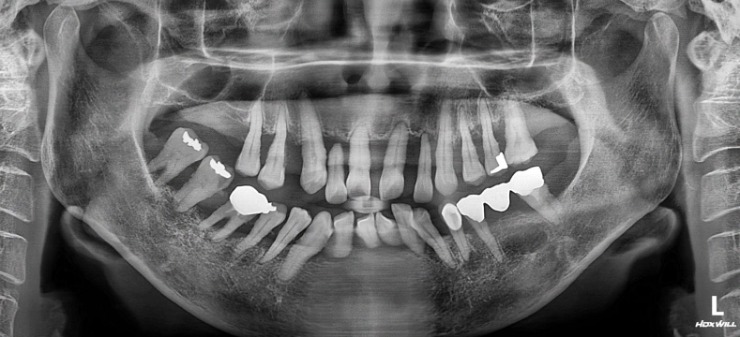
Radiographs when indicated to evaluate underlying tooth structure, bone level, or restoration fit.
After these steps, we determine whether conservative adjustment will solve the issue or whether re-fabrication is necessary.
Food impaction after prosthetic treatment does not automatically mean the restoration must be remade. A stepwise evaluation—checking contact points, prosthesis margins, gum health, and occlusion—will usually identify the cause and the appropriate action. Avoid aggressive self-manipulation; if impaction is recurrent or accompanied by gum symptoms, seek a professional assessment.
Do you need local anesthesia for a small cavity? Many patients wonder whether numbing is always required for early cavity treatment. The decision depends on the cavity depth, where it is located, and the patient’s sensitivity or anxiety — not simply on the label “early.” This article explains when anesthesia for early cavities may be considered and how to reduce discomfort during treatment.
How do we judge the need for anesthesia?
Assessment for anesthesia follows a clinical exam and, when needed, radiographs. Key factors include:
Cavity depth: lesions limited to the enamel often cause only vibration or slight sensitivity and may be treated without injection.
Proximity to dentin (and pulp): cavities approaching the dentin layer are more likely to produce sharp sensations and often make anesthesia a reasonable option.
Tooth location: interproximal (between teeth) or gumline lesions can feel more sensitive during preparation.
Patient sensitivity and anxiety: patients with strong cold sensitivity or high anxiety may benefit from short, targeted anesthesia to reduce movement and improve comfort.
These elements are evaluated together to determine if anesthesia for early cavities is appropriate in each case.
When can treatment be done without anesthesia?
Some early cavities can be managed without an injection. Typical situations include:
Very shallow lesions confined to the enamel surface.
Small restorations on front teeth or shallow fissures on chewing surfaces where access and removal are straightforward.
Patients with low sensitivity and the ability to stay relaxed during short procedures.
Even when starting without anesthesia, clinicians may switch to local anesthesia if the patient reports increasing sensitivity or cannot remain comfortably still.
Is anesthesia necessary for resin (composite) restorations?
The material itself does not determine whether anesthesia is needed. For resin restorations, the deciding factors are:
Expected amount of tooth removal: larger or deeper preparations increase the chance of sensitivity.
Location of the lesion: hard-to-reach areas or teeth near the gumline may trigger more discomfort during preparation.
Pre-existing sensitivity: teeth that are already sensitive to cold or touch are more likely to require anesthesia.
In short, anesthesia for early cavities when placing resin restorations is considered based on the clinical picture rather than the restorative material.
What options exist when a patient fears injections?
Avoiding injection entirely is a common patient concern. Practical strategies to reduce injection-related anxiety and overall discomfort include:
Topical (surface) anesthesia to numb the mucosa before an injection, reducing the pinch sensation.
A staged approach: brief removal of only softened decay first, then reassess pain before continuing.
Clear, prearranged signals (hand raise) so the patient can pause the procedure immediately if discomfort increases.
Choosing a short, targeted infiltration rather than larger blocks when appropriate to limit numbness and procedure time.
These measures focus on balancing patient comfort with effective, safe treatment.
When is earlier treatment better for pain control? Addressing a cavity while it is still shallow usually reduces both discomfort during treatment and the amount of tooth structure that must be removed. Signs that warrant an earlier check include:
Brief sharp sensitivity to sweet or cold that is new or increasing.
Food frequently getting stuck between teeth.
A rough or sticky spot on a tooth where a cavity may be forming.
Delaying care until pain becomes severe can lead to deeper decay, larger restorations, and higher likelihood of needing anesthesia later.
Anesthesia for early cavities is not always required. The decision is individualized based on cavity depth, location, patient sensitivity, and anxiety. Some shallow, enamel-only lesions can be treated without injections, while cavities nearer the dentin, in sensitive areas, or in anxious patients may be more comfortably managed with short local anesthesia. Discussing your symptoms and preferences with the dentist before starting treatment helps ensure a safe and comfortable experience.
Hello, this is Ansan Mind Dental Clinic. In short, bad breath is rarely caused by brushing frequency alone. Factors such as tongue coating, trapped food between teeth, gum inflammation, old restorations, and dry mouth all contribute. If halitosis recurs, it’s better to identify likely sources step by step rather than only masking the symptom.
Why does breath smell even after brushing?
If you still notice an odor after brushing, check the areas a toothbrush does not reach. Oral malodor typically comes from bacterial breakdown of food debris and proteins. Common reservoirs include the posterior tongue, interproximal spaces, subgingival areas, and margins around older crowns or bridges. Morning breath often worsens because saliva flow decreases overnight, but persistent daytime odor may point to gum disease, tongue coating, decay, problematic prosthetics, or non-oral causes.
안산치과 마인드치과 breath smell
What to check at home: a practical checklist
Tongue surface: white or yellow coating with odor — try gentle tongue cleaning once or twice daily.
Between teeth: odor on flossing — use floss or interdental brushes to remove trapped debris.
Gum margin: bleeding or swelling during brushing with accompanying odor — consider professional periodontal evaluation and scaling.
Around restorations: food impaction near crowns/bridges — have the fit and secondary decay assessed by a clinician.
Dry mouth: persistent dryness or severe morning breath — increase hydration and review possible causes.
How to manage tongue coating and interdental spaces
Tongue care
Use a tongue scraper or a soft tool to gently sweep from the back toward the front. Avoid aggressive scraping to prevent irritation or gagging.
Clean once or twice daily, especially after waking.
Interdental cleaning
Choose floss for tight contacts and an interdental brush where spaces are larger or around prostheses.
If you are unsure about sizes or techniques, ask your dentist for guidance to avoid injuring the gums.
Are mouthwashes safe to use every day?
Mouth rinses can help temporarily reduce odor but do not replace mechanical removal of plaque, food particles, and calculus. Suitability depends on the product’s ingredients and your oral condition. Alcohol-containing formulations may increase dryness for some people, and medicated rinses should be used according to purpose and duration. For persistent halitosis, identify the primary source—tongue, gums, restorations—before relying on a rinse alone.
안산치과 마인드치과 상담
Can scaling eliminate bad breath completely?
Professional scaling reduces calculus and bacterial load, which often improves breath related to periodontal problems. However, if halitosis persists after scaling, consider other causes such as tongue coating, deep periodontal pockets, decay, ill-fitting restorations, wisdom tooth area inflammation, or salivary insufficiency. If a specific interdental site smells after flossing, that spot should be examined for decay or periodontal issues. A clinical exam is necessary for accurate diagnosis.
Daily routine: a simple, repeatable plan
Morning: drink a glass of water, check tongue coating, and brush gently.
After lunch: rinse and use floss or a portable interdental brush if needed.
Evening: thorough interdental cleaning, brushing, and tongue care before sleep when saliva flow decreases.
Habit review: monitor hydration, smoking, alcohol, and mouth-breathing, as these affect oral dryness, staining, and odor.
When should you see a dentist?
Consider a dental visit if:
Bad breath lasts more than two weeks despite home care.
Odor returns soon after brushing or is noted by others.
Flossing reveals a particularly foul-smelling site.
Gums bleed or remain swollen, or food frequently lodges around crowns or bridges.
Persistent halitosis can sometimes be managed with lifestyle changes, but it can also indicate periodontal disease or prosthetic problems that require clinical treatment. A targeted examination helps determine if scaling, restoration adjustment, or other interventions are needed.
One of the questions patients are most curious about when considering inlay treatment is, surprisingly, not the treatment method itself but “Do I need to have the treatment right away?”
“Do I need cavity treatment even though I don’t have any pain?” “My inlay fell out. How long can I leave it?” “The tooth that was treated with an inlay is still sensitive. Is that normal?”
Hello, this is Mind Dental Clinic.
As we hear these questions frequently in the clinic, we often find that symptoms affecting the teeth cannot be evaluated simply by how severe the pain feels. In particular, teeth that have received inlay treatment may appear normal on the outside, while subtle changes such as discomfort when chewing, sensitivity, or food getting stuck may appear first.
Today, we will discuss the symptoms that are commonly checked before and after inlay treatment at a dental clinic in Ansan Seonbu-dong, and when it may be worth having your teeth examined.
안산선부동치과 원장님진료
When Is Inlay Treatment Considered?
An inlay is a restorative treatment in which decayed tooth structure is removed, a restoration is custom-made to fit the remaining tooth structure, and then bonded to the tooth.
Depending on the extent and location of the cavity and how much healthy tooth structure remains, direct restorations such as composite resin may be appropriate, while an indirect restoration such as an inlay may also be considered.
Therefore, rather than assuming that “every cavity requires an inlay,” it is important to first evaluate the extent of the decay and the overall condition of the tooth.
If the cavity has progressed to some extent or is located in an area that receives significant chewing forces, it is important to consider not only the size of the cavity but also the remaining tooth structure and the bite.
안산선부동치과 충치설명
If an Inlay Falls Out, Should It Be Checked Even If There Is No Pain?
Some people assume that if an inlay falls out but there is no pain, they can simply leave it as it is.
However, the absence of pain does not necessarily mean that there is no problem with the tooth.
Food can easily become trapped in the area where the inlay has fallen out, and the tooth may become more sensitive to external stimuli. Depending on the condition of the remaining tooth structure, additional damage may also occur.
In clinical practice, some patients say, “It fell out a few days ago, but it didn’t hurt, so I just left it.” In such cases, we check not only the condition of the dislodged inlay but also whether recurrent decay has developed inside the tooth, whether the tooth has fractured, and whether the existing inlay can be reused.
If the inlay has not been damaged, bringing it with you to your dental appointment may be helpful. However, whether the existing inlay can be reused should be determined after examining both the tooth and the restoration.
In the meantime, it is advisable to avoid chewing hard or sticky foods on that side and have the tooth examined as soon as reasonably possible.
안산선부동치과 인레이치료
Why Does an Inlay-Treated Tooth Feel Sensitive When Chewing?
Immediately after inlay treatment, a tooth may temporarily become more sensitive to cold or hot foods and drinks.
This can occur because the internal tissues of the tooth may be temporarily irritated during the treatment process.
However, if the symptoms continue over time or repeatedly occur in the following ways, the tooth should be checked again:
Pain repeatedly occurs in the same tooth when chewing
Pain occurs when chewing in a particular direction
Sensitivity to cold foods or drinks continues
The pain becomes worse over time
A throbbing sensation occurs even when the tooth is not being used
These symptoms do not necessarily mean that there is a problem with the inlay.
There may be various causes, including a high bite, the natural sensitivity of the tooth, the depth of the original cavity, a crack in the tooth, or the condition of the dental pulp.
Therefore, it can be helpful to explain when the symptoms started, what situations trigger the pain, and how long the pain lasts.
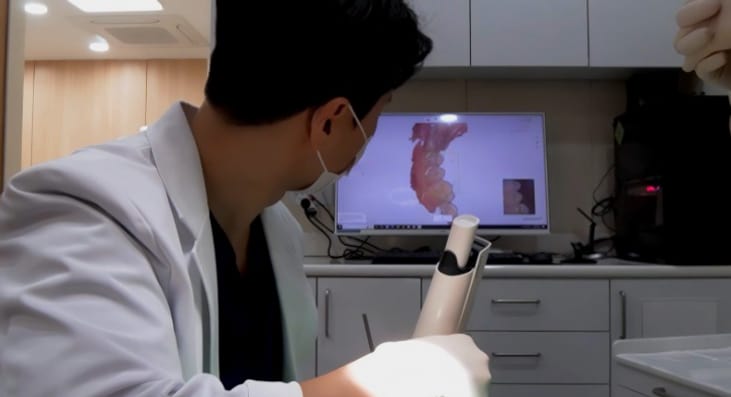
안산선부동치과 구강스캐너
Does Food Getting Stuck Around an Inlay Mean That It Needs to Be Replaced?
After receiving an inlay, some people notice that food becomes trapped more frequently than before or that dental floss repeatedly catches in a particular area.
However, food impaction alone does not necessarily mean that retreatment is required.
The contact relationship between the inlay and the tooth, the fit of the restoration, its relationship with neighboring teeth, and the condition of the gums should all be evaluated together.
In particular, if dental floss repeatedly tears or catches, or if food repeatedly becomes trapped in one area and the surrounding gums become swollen, a dental examination may be advisable.
On the other hand, if there is no underlying problem, proper flossing and oral hygiene may be enough to reduce the discomfort.
Ultimately, whether retreatment is necessary should be determined after evaluating the overall condition of the tooth and restoration rather than based on a single symptom.
안산선부동치과 충치치료
What Is the Inlay Treatment Process?
Although the process can vary depending on the condition of the tooth, a typical inlay treatment may proceed as follows:
1. Evaluation of the tooth
The dentist evaluates the extent and depth of the cavity, the remaining tooth structure, and how close the decay is to the dental pulp.
2. Removal of decay and preparation of the tooth
The decayed portion is removed, and the tooth is shaped so that the inlay can fit securely.
3. Recording the shape of the tooth
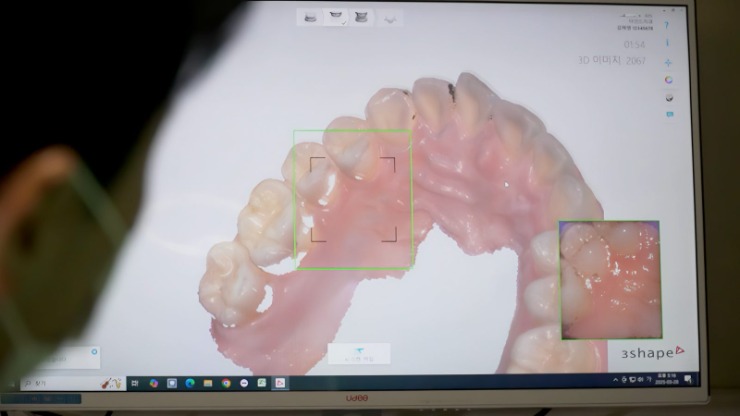
Traditional dental impressions or an intraoral scan may be used to obtain the information needed to fabricate the restoration.
4. Fabrication and placement of the inlay
The completed inlay is fitted to the tooth, bonded in place, and checked for proper bite and occlusion.
The number of visits and specific steps may vary depending on the condition of the tooth, the material used, and the treatment approach of the dental clinic.
안산선부동치과 치과보철치료
What Should You Consider When Eating After Inlay Treatment?
If you are still numb from local anesthesia immediately after treatment, it is safer to wait until normal sensation returns before eating to avoid accidentally biting your lips or cheeks.
It is also advisable to avoid foods that are particularly hard or sticky immediately after treatment.
If a temporary material has been placed, avoiding tough or sticky foods on that side can help prevent excessive stress on the treated area.
Even after the final inlay has been placed, it is advisable to avoid excessive chewing forces at first and pay attention to how the tooth feels when you bite.
When Should You Not Delay a Dental Examination?
Because the level of pain varies from person to person, it is difficult to determine the severity of a dental problem based solely on how mild the pain feels.
If any of the following changes continue to occur, it may be a good idea to have the tooth examined:
An inlay has fallen out and remains out
The same tooth repeatedly hurts when chewing
The tooth has become sensitive to cold or sweet foods
Food repeatedly becomes trapped in a particular area
Dental floss repeatedly catches or tears
The edge of the restoration suddenly feels rough
The frequency or intensity of tooth pain has increased
In particular, if the pain is becoming progressively worse or is accompanied by throbbing pain at rest or swelling of the gums, it is important to distinguish these symptoms from ordinary sensitivity following treatment.
안산선부동치과 인레이치료 잘하는집
The Most Important Factor in Inlay Treatment Is Not the “Amount of Pain”
When evaluating the condition of a tooth before or after inlay treatment, it is important to consider not only “How much does it hurt?” but also “When did it start?” and “In what situations does it repeatedly occur?”
An inlay can fall out without causing pain, while a tooth that reacts sensitively to a minor stimulus does not necessarily have a problem with the restoration.
In some cases, the condition of a tooth cannot be accurately determined simply by looking at it.
Therefore, if you are considering inlay treatment, it is helpful to first check the extent of the cavity, the condition of the remaining tooth structure, and which restorative option is appropriate. If a tooth that has already received an inlay develops new symptoms, recording the pattern of those symptoms and explaining them during your dental visit can also be helpful.
When consulting a dental clinic in Ansan Seonbu-dong about inlay treatment, it can be useful to ask not only, “Do I need an inlay?” but also about the current condition of the tooth, why treatment is necessary, whether other restorative options can be considered, and which symptoms should be monitored after treatment.
Even when the same type of restoration—an inlay—is used, the treatment process may vary depending on the depth and location of the cavity and the structure of the tooth. The appropriate treatment method and whether retreatment is necessary should be determined by a dental professional based on an oral examination and any necessary diagnostic tests.
Frequently Asked Questions
Q. My inlay fell out, but it doesn’t hurt. Can I leave it as it is?
Even if there is no pain, the exposed area may be vulnerable to external stimuli and food becoming trapped. It is advisable to have the tooth checked. If you still have the dislodged inlay, bringing it to your appointment may also be helpful.
Q. Can a tooth become sensitive after inlay treatment?
Temporary sensitivity can occur immediately after treatment. However, if the symptoms persist or become increasingly severe, other causes such as the bite or the condition of the tooth itself should be evaluated.
Q. Does an inlay need to be replaced if food keeps getting trapped around it?
Food impaction alone is not enough to determine whether retreatment is necessary. The fit of the restoration, contact with neighboring teeth, the presence of recurrent decay, and gum health should all be evaluated.
Q. Can I eat immediately after inlay treatment?
If you are still numb from anesthesia, it is advisable to wait until normal sensation has returned before eating. It is also helpful to avoid hard or sticky foods immediately after treatment.
Q. Do I need cavity treatment even if I have no pain?
Cavities can progress even without causing pain. Whether treatment is necessary should not be determined solely by the presence or absence of pain. The extent of the cavity and the overall condition of the tooth should be evaluated together.
One of the most common questions patients ask when they visit the dentist because of a toothache is:
“How many appointments does a root canal treatment usually require?”
In the consultation room, this question is often followed by others such as:
Can the treatment be completed in just one visit?
If I still have pain between appointments, does that mean something went wrong?
If the temporary filling falls out, do I have to start the treatment all over again?
Is it okay if there’s a long gap between appointments?
To answer briefly, most root canal treatments are completed in about two to four visits. However, not every tooth can be treated within the same number of appointments.
The treatment schedule varies depending on the condition of the tooth.
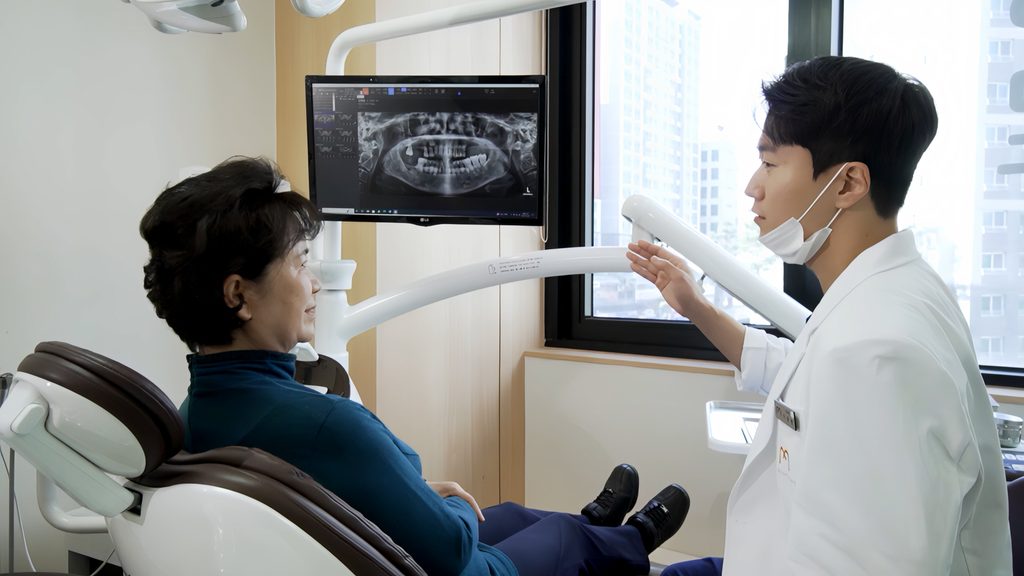
Ansan Jungang-dong Dental Clinic Root Canal Diagnosis with X-ray
Why Does the Number of Root Canal Visits Differ from Person to Person?
Although cavities may look similar from the outside, the condition inside the tooth can vary significantly.
A root canal treatment is not simply about removing the dental pulp (nerve).
The procedure includes:
Removing infected pulp tissue
Thoroughly cleaning and disinfecting the root canal system
Sealing the inside of the canals to help prevent bacteria from re-entering
In daily practice, we often see patients who visit on the same day but require completely different treatment plans.
For example, front teeth usually have a relatively simple root canal structure, so treatment can often be completed more quickly.
Molars, on the other hand, typically have multiple canals and more complex anatomy, making the procedure more time-consuming.
Treatment may also require additional visits if:
There is a large infection around the tip of the root.
An abscess has formed.
A previous root canal treatment needs to be retreated.
The infection has spread extensively inside the tooth.
In other words, the number of appointments is determined by the condition of the tooth—not by the dentist.
The treatment process also varies depending on several factors, including:
The internal anatomy of the tooth
The severity of the infection
The number of roots and root canals
Whether the tooth has undergone previous treatment
At Mind Dental Clinic in Ansan Jungang-dong, we always explain one important point to our patients:
The most important aspect of root canal treatment is not how many visits it takes, but accurately determining the current condition of the tooth before treatment begins.
In this article, based on real clinical experience, we’ll explain why the number of root canal appointments varies, what the treatment process involves, and what patients should keep in mind during treatment.
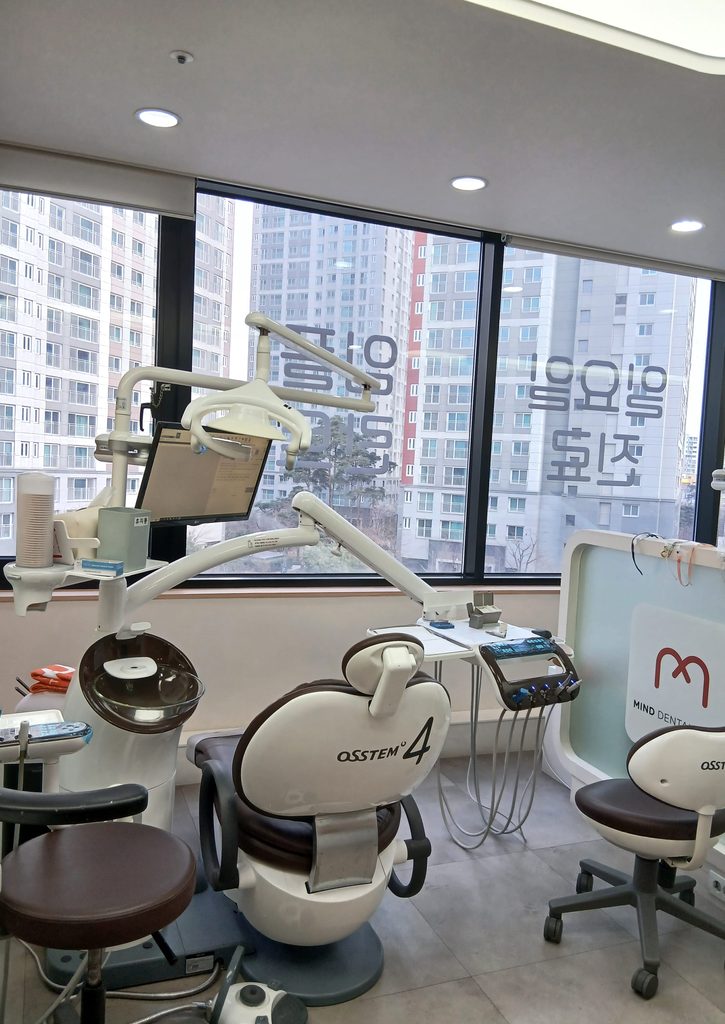
Ansan Jungang-dong Dental Clinic Examination Room
How Is Root Canal Treatment Performed?
Many people believe that root canal treatment is finished once the dental pulp (nerve) is removed. In reality, the procedure involves several important steps.
Step 1. Examination and Diagnosis
Before treatment begins, your dentist will evaluate:
The extent of pulp damage
The number of root canals
The severity of the infection
Whether the tooth can be preserved
This examination typically includes dental X-rays and other diagnostic tests. Based on these findings, your dentist can also provide an estimate of how many treatment visits may be required.
Ansan Jungang-dong Dental Clinic Root Canal Treatment Process
Step 2. Removal of the Infected Pulp
The dentist creates a small opening in the tooth and carefully removes the infected pulp tissue.
Many patients notice that their pain begins to decrease after this step. However, this does not mean the treatment has been completed.
Step 3. Cleaning and Disinfecting the Root Canals
The inside of each root canal is thoroughly cleaned and disinfected over one or more appointments.
This step is particularly important for teeth with significant infection or inflammation, as the dentist needs to ensure that the infection has been adequately controlled before sealing the canals.
Step 4. Root Canal Filling (Obturation)
Once the dentist confirms that the infection has resolved and the tooth is stable, the cleaned canals are sealed with a specialized filling material.
This stage is essential because it helps prevent bacteria from re-entering the root canal system and causing reinfection.
Step 5. Final Restoration
A tooth that has undergone root canal treatment may become more brittle over time.
For this reason, many patients receive a dental crown to strengthen and protect the treated tooth.
However, not every patient requires the same type of restoration. The final treatment plan depends on the amount of remaining tooth structure and the overall condition of the tooth.
Ansan Jungang-dong Dental Clinic Dental Examination Process
How Long Should the Interval Be Between Root Canal Appointments?
This is another question we hear frequently in the clinic.
In many cases, appointments are scheduled every three days to one week.
However, there is no single schedule that applies to everyone.
Several factors influence the timing between visits, including:
The degree of inflammation
Changes in symptoms or pain
The condition inside the tooth
Appointment availability
The condition of the temporary filling
Most importantly, don’t postpone your next appointment simply because the pain has improved.
During treatment, the tooth is protected only by a temporary filling. If treatment is delayed for too long, food debris and bacteria may enter the tooth again.
Based on our clinical experience, patients who postpone follow-up appointments for extended periods are more likely to require additional cleaning and disinfection before treatment can continue.
Is It Normal to Have Pain During Root Canal Treatment?
It is common to experience mild soreness, tenderness, or sensitivity when biting for several days after a root canal appointment.
This may simply be part of the healing process as the tissues surrounding the root recover.
However, you should contact your dentist before your next scheduled appointment if you experience any of the following:
Pain that becomes progressively worse
Swelling of the face or gums
Drainage of pus
Severe pain that keeps you awake at night
Persistent pain that makes chewing difficult
The key factor is not whether pain is present, but how it changes over time. Pain that gradually improves is generally expected, whereas worsening symptoms should be evaluated promptly.
What Should I Do If My Temporary Filling Falls Out?
This is one of the most common concerns among patients undergoing root canal treatment.
If your temporary filling falls out, it does not necessarily mean that you need to start the entire treatment over again.
However, it should not be left untreated for an extended period.
Without the temporary filling, food particles and bacteria can enter the root canal system, increasing the risk of reinfection.
If this happens, we recommend that you:
Avoid chewing hard foods with the affected tooth.
Chew on the opposite side whenever possible.
Contact your dental clinic as soon as possible.
In most cases, prompt replacement of the temporary filling allows the original treatment plan to continue without major problems.
Many people think that root canal treatment is complete once the dental pulp is removed. In reality, the procedure involves several important steps.
The treatment generally follows this sequence:
Step 1. Examination and Diagnosis
Using dental X-rays and clinical tests, the dentist evaluates:
The extent of pulp damage
The number of root canals
The severity of infection
Whether the tooth can be preserved
At this stage, the estimated number of treatment visits is also discussed.
Step 2. Removal of the Infected Pulp
The dentist opens the tooth and removes the infected pulp tissue.
Many patients notice that the pain decreases after this stage, but the treatment is not yet complete.
Step 3. Cleaning and Disinfecting the Root Canals
The inside of each root canal is carefully cleaned and disinfected over one or more visits to ensure the infection has subsided.
For teeth with severe inflammation, this is one of the most important stages of treatment.
Step 4. Root Canal Filling
Once the dentist confirms that the infection is under control, the cleaned canals are sealed with a specialized filling material.
This step is essential for preventing bacteria from re-entering the tooth.
Step 5. Final Restoration
Because a tooth that has undergone root canal treatment may become more fragile, a dental crown is often recommended to protect it.
However, not every patient requires the same type of restoration. The final treatment plan depends on the condition of the tooth.
Ansan Jungang-dong Dental Clinic Dental X-ray
How Long Is the Interval Between Root Canal Visits?
This is another question frequently asked during consultations.
In many cases, appointments are scheduled every 3 to 7 days, although the exact interval varies depending on the individual case.
Several factors influence the treatment schedule, including:
The degree of inflammation
Changes in pain symptoms
The condition inside the tooth
Appointment availability
The condition of the temporary filling
More importantly, treatment should not be delayed simply because the pain has improved.
During root canal treatment, the tooth is protected only by a temporary filling. If too much time passes, food particles and bacteria may enter the tooth again.
Based on clinical experience, excessively long gaps between appointments often require additional cleaning and disinfection before treatment can continue.
Ansan Jungang-dong Dental Clinic Tooth Treatment
Is It Normal to Feel Pain During Root Canal Treatment?
It is not uncommon to experience mild soreness or tenderness when biting for several days after a root canal appointment.
This may simply reflect the normal healing process of the tissues surrounding the root.
However, you should contact your dentist promptly instead of waiting for your next appointment if you experience any of the following:
Pain that gradually becomes more severe
Swelling of the face
Pus or drainage
Pain severe enough to interfere with sleep
Persistent pain that makes chewing difficult
The key consideration is not simply whether pain is present, but whether the symptoms are improving or worsening over time.
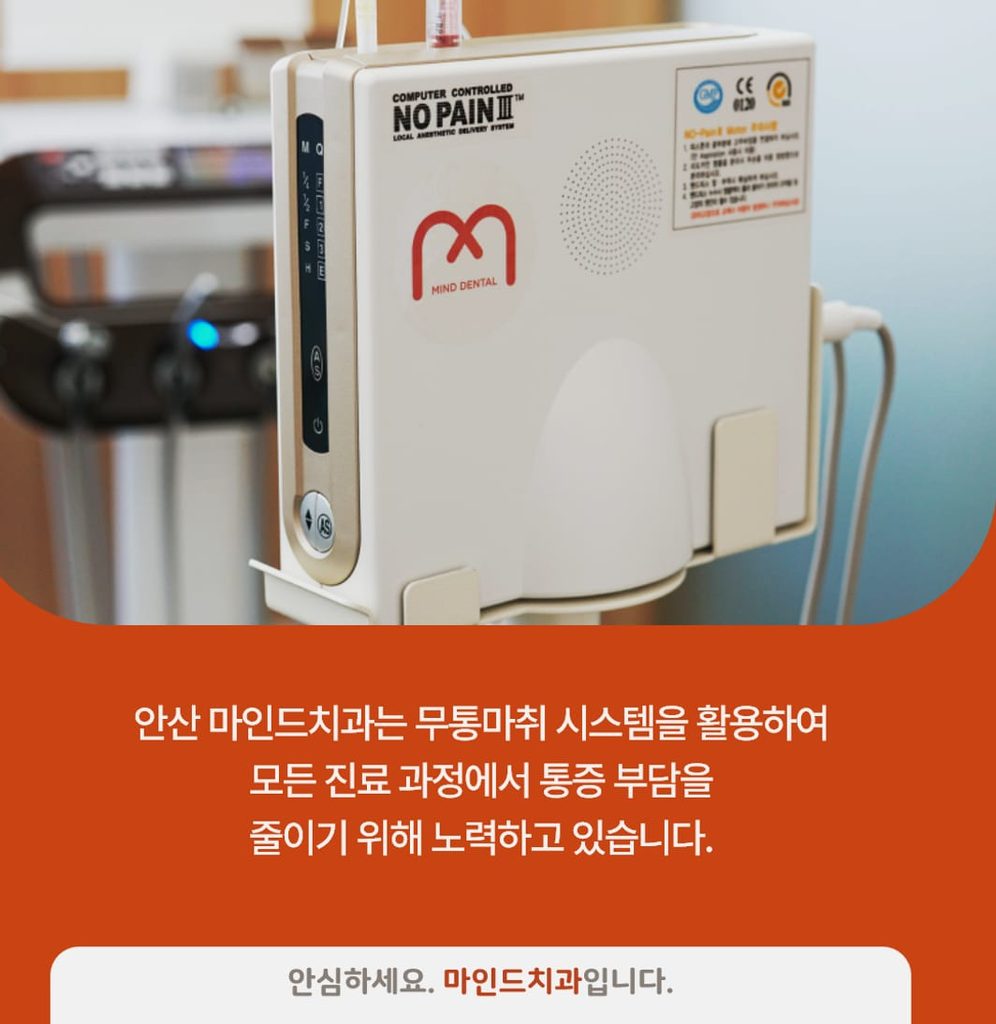
Ansan Mind Dental Clinic Painless Anesthesia System
Real Cases Frequently Encountered in Clinical Practice
Before starting root canal treatment, many patients are most concerned about one question: “How many visits will I need?”
However, as treatment progresses, patients naturally come to understand that more important factors are keeping scheduled appointments and properly managing the temporary filling.
In actual cases, patients who complete treatment successfully as planned have a common habit: they do not stop treatment simply because the pain has decreased, but continue visiting the clinic according to the recommended schedule.
On the other hand, there are also cases where patients delay treatment because the pain has disappeared, causing the inside of the tooth to become re-infected, which can extend the overall treatment period.
It is important to remember that root canal treatment is not simply a procedure to eliminate pain. It is a process of carefully managing internal infection so that the tooth can be used for a longer period of time.
Frequently Asked Questions
Q. How many times is root canal treatment usually required?
On average, root canal treatment is often completed in about 2 to 4 visits. However, the number of appointments may vary depending on the location of the tooth, the severity of inflammation, and the structure of the root canals.
Q. Is it okay if some pain remains during root canal treatment?
Mild discomfort can occur during treatment. However, if the pain continues to worsen or swelling develops, it is recommended to contact your dentist rather than waiting until your scheduled appointment.
Q. What is the appropriate interval between appointments?
In many cases, appointments are scheduled every 3 days to 1 week. Delaying treatment for too long is generally not recommended, as it may affect the treatment outcome.
Q. My temporary filling has fallen out. What should I do?
Avoid hard foods, minimize use of the affected tooth, and visit your dentist as soon as possible to check whether the tooth needs to be resealed with a new temporary filling.
Q. Is slight discomfort when biting after treatment is completed normal?
The tooth may feel temporarily sensitive during the early stage after treatment. However, if the discomfort does not improve over time or becomes worse, an additional dental examination may be necessary.
Ansan Jungang-dong Mind Dental Clinic
Mind Dental Clinic Information Mind Dental Clinic, located in Ansan, provides advanced dental treatments including dental implants and no-prep veneers. Before starting any procedure, patients can receive a comprehensive evaluation of their current oral condition along with a clear explanation of the recommended treatment plan.
Location 4th Floor, Central Tower, 72 Gojan-ro, Danwon-gu, Ansan, South Korea
One of the most common concerns patients have before dental implant surgery is not the procedure itself, but when they can safely return to their normal daily routine afterward.
In the clinic, we frequently hear questions such as:
“Can I eat the day after implant surgery?”
“When can I go back to work?”
“When is it okay to drink coffee again?”
“How long should I avoid exercise, alcohol, and smoking?”
In many cases, implant surgery itself proceeds as planned. However, the recovery process varies from person to person. Factors such as the extent of surgery, whether bone grafting was performed, gum health, and overall medical condition can all influence recovery and postoperative care.
At Mind Dental Clinic in Ansan, one point is always emphasized during consultations: The success of implant treatment depends not only on the day of surgery but also on how well the recovery period is managed afterward.
Based on recommendations commonly provided in clinical practice, this article explains important points about eating, returning to work, exercising, and managing alcohol and smoking after dental implant surgery.
Ansan Dental Implant
Ansan Dental Implant Imaging Equipment
Why Are the First 24 Hours After Implant Surgery So Important?
Immediately after implant placement, a blood clot naturally forms around the surgical site.
This blood clot is an essential part of the healing process and helps protect the wound during the early stages of recovery.
One of the most important instructions patients receive after surgery is to avoid unnecessary irritation to the surgical area during the first 24 hours.
During this period, it is generally advisable to avoid:
Using straws
Vigorous mouth rinsing
Forcefully spitting repeatedly
Hot foods and beverages
Alcohol
Smoking
Strenuous exercise
Some patients ask,
“There isn’t much bleeding anymore. Is it okay if I go back to normal?”
Even if visible bleeding is minimal, the gums and surrounding bone have only just begun healing. A lack of significant pain does not necessarily mean the tissues have fully recovered. Taking it easy on the first day is recommended.
Ansan Dental Implant Aftercare Precautions
Ansan Dental Implant Surgery
Can You Eat the Day After Implant Surgery?
This is one of the most frequently asked questions.
For most patients, eating is possible the day after surgery.
However, being able to eat does not mean every type of food is appropriate immediately after surgery.
Soft foods that require minimal chewing are generally recommended during the initial healing period, such as:
Rice porridge
Steamed eggs
Tofu
Yogurt
Soup
Soft fish
Foods that are generally best avoided during early recovery include:
Hard foods
Tough meats
Nuts
Very hot foods
Highly spicy or irritating foods
In clinical practice, there are patients who experience very little discomfort the day after surgery and return to their regular diet too soon. Excessive chewing may lead to renewed swelling or discomfort around the surgical site.
Because healing cannot be judged solely by the level of pain, choosing appropriate foods during the recovery period is important.
Dental Implant Aftercare
Ansan Dental Implant Precautions
When Can You Return to a Normal Diet?
There is no single answer that applies to everyone.
Recovery speed varies depending on several factors, including:
Number of implants placed
Whether bone grafting was performed
Condition of the gums
Individual healing ability
Presence of systemic medical conditions
If the surgery was relatively simple and healing progresses smoothly, patients may gradually expand their diet sooner.
However, if bone grafting was performed or the gums require additional healing time, soft foods may be recommended for a longer period.
Ultimately, your current healing condition is more important than the number of days that have passed.
Ansan Dental Implant Surgery
Ansan Dental Implant Aftercare
When Can You Drink Coffee or Eat Hot Foods?
Many patients ask this question.
Immediately after implant surgery, hot foods and beverages may increase blood flow by dilating blood vessels, potentially contributing to swelling or bleeding.
During the early recovery period, it is generally more comfortable to choose:
Warm (not hot) soup
Room-temperature beverages
Foods that are not excessively hot
With coffee, the temperature is often a greater concern than the caffeine itself.
Some patients have reported increased throbbing discomfort after drinking very hot coffee shortly after surgery.
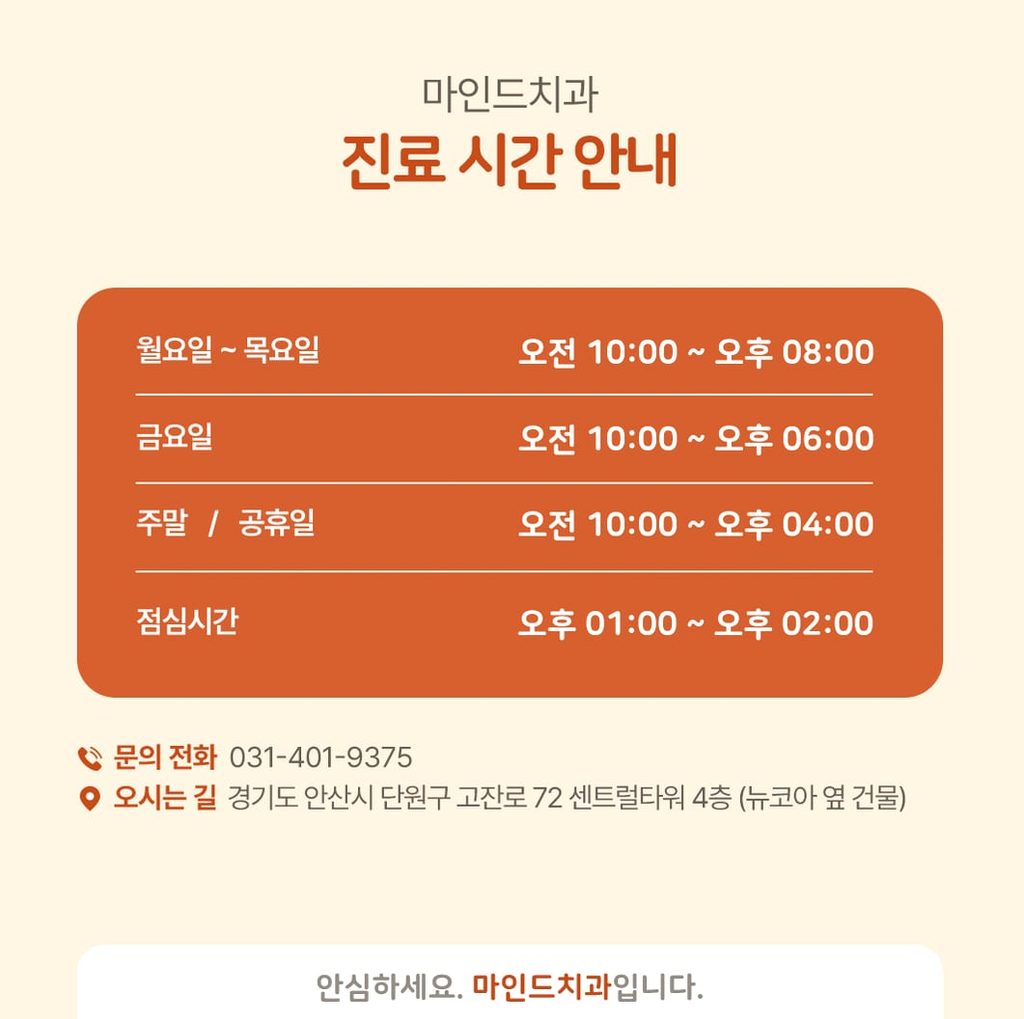
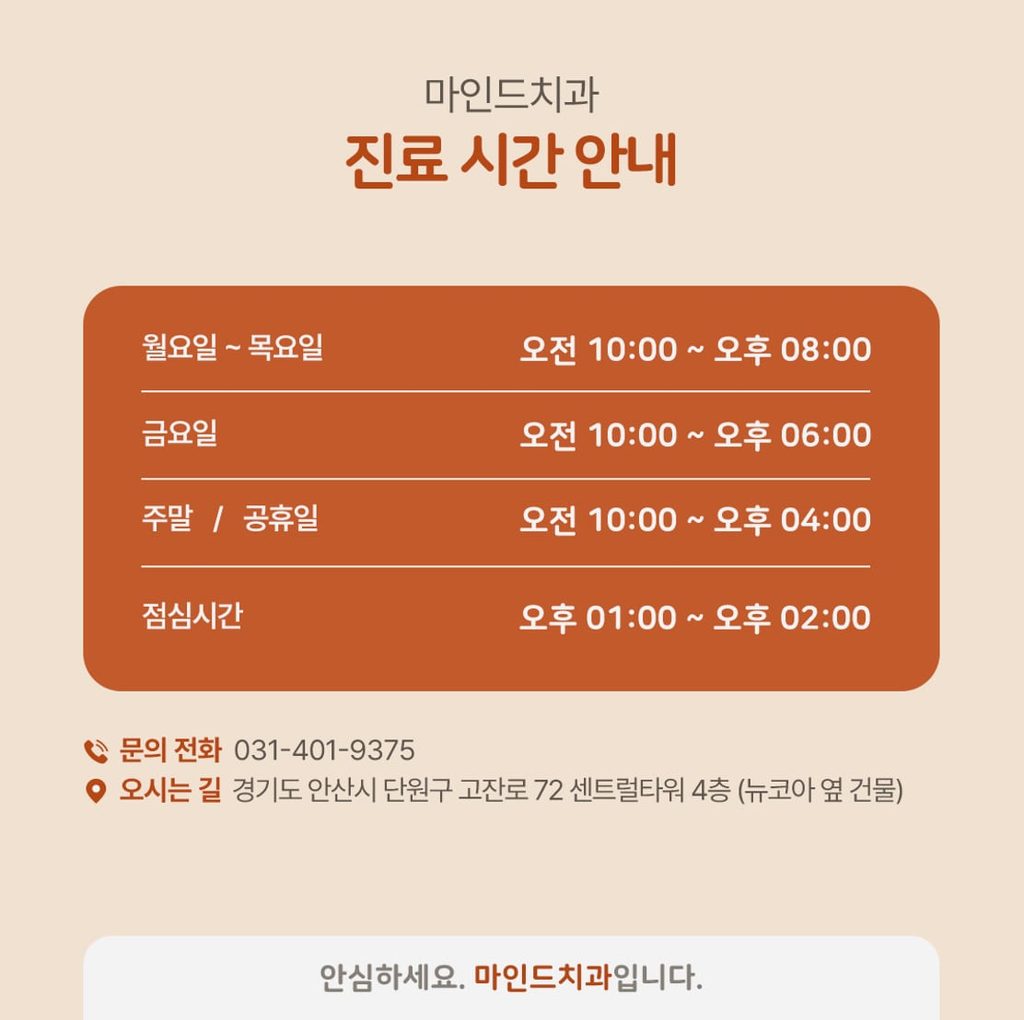
Mind Dental Clinic Ansan Office Hours
Ansan Dental Implant Treatment Surgery
When Can You Return to Work?
For patients with office-based jobs, returning to work the following day is common in many cases.
However, the physical demands of the job should always be considered.
Additional recovery time may be helpful for occupations involving:
Prolonged standing
Frequent heavy lifting
Outdoor construction or field work
Physically demanding activities
Many patients also choose to schedule implant surgery around important meetings or business trips whenever possible.
When Can You Resume Exercise?
Strenuous exercise is generally discouraged immediately after surgery.
Exercise may increase blood pressure and sweating, which could affect the early healing process.
Light daily activities are usually acceptable, but activities such as:
Weight training
Running
Hiking
Golf
High-intensity exercise
are generally best resumed gradually according to your dentist’s recommendations.
Why Should Alcohol and Smoking Be Avoided?
This is another common question during consultations.
Both alcohol consumption and smoking may interfere with wound healing.
During the early healing phase, they may affect:
Gum healing
Blood circulation
Inflammatory response
For this reason, avoiding both whenever possible is recommended.
Patients who undergo bone grafting may require even more careful postoperative management.
The appropriate restriction period varies depending on individual healing, so it is best to follow the instructions provided by your dental team.
Common Recovery Patterns Observed in Clinical Practice
Many patients say,
“It actually doesn’t hurt as much as I expected.”
While minimal discomfort is certainly reassuring, it can sometimes lead patients to become less cautious with postoperative care.
On the other hand, patients who experience mild swelling initially but carefully follow dietary recommendations and postoperative instructions often recover very smoothly.
These clinical experiences highlight an important point:
Successful implant treatment depends not only on the surgery itself, but also on careful management during the following days.
Post-Implant Surgery Checklist
Avoid hot foods on the day of surgery.
Begin with soft foods.
Chew on the side opposite the surgical area whenever possible.
Avoid using straws.
Avoid vigorous rinsing and forceful spitting.
Postpone strenuous exercise.
Avoid alcohol and smoking during the healing period.
Contact your dental clinic if pain or swelling becomes more severe than expected.
At Mind Dental Clinic, Ansan
Frequently Asked Questions
Q. Can I eat the day after implant surgery?
In most cases, yes. It is generally recommended to start with soft foods such as rice porridge, steamed eggs, and tofu while minimizing chewing pressure around the surgical area.
Q. When can I return to a normal diet?
The timing varies depending on the extent of surgery and your individual healing progress. Rather than following a fixed timeline, it is better to expand your diet according to your recovery as evaluated during follow-up visits.
Q. When can I drink coffee again?
During the early healing period, avoiding very hot coffee is recommended. Choosing lukewarm beverages may help reduce irritation.
Q. When can I return to work?
Many office workers return the following day. However, patients with physically demanding jobs may need additional recovery time depending on their healing progress.
Q. When is it safe to drink alcohol or smoke again?
It is generally recommended to avoid both during the early healing phase. The appropriate timing varies depending on the extent of surgery and individual recovery, so following your dentist’s instructions is the safest approach.
If you are planning dental implant treatment in Ansan, preparing for the surgery itself is only one part of the process. Planning how you will manage the first several days of recovery is equally important.
In clinical practice, postoperative habits—including diet, returning to work, exercise, alcohol consumption, and smoking—often have a significant influence on the healing process.
Most importantly, avoid comparing your recovery with someone else’s. Recovery varies from person to person, and your daily activities should be adjusted according to your own healing progress.
Dental implant treatment does not end with implant placement. It also includes the period during which the gums and jawbone heal and stabilize around the implant.
If you experience symptoms that concern you or differ from what you expected, it is safest to contact the dental clinic where you received treatment rather than trying to evaluate the situation on your own.
Mind Dental Clinic Ansan
Mind Dental Clinic Information Mind Dental Clinic, located in Ansan, provides advanced dental treatments including dental implants and no-prep veneers. Before starting any procedure, patients can receive a comprehensive evaluation of their current oral condition along with a clear explanation of the recommended treatment plan.
Location 4th Floor, Central Tower, 72 Gojan-ro, Danwon-gu, Ansan, South Korea
“My teeth feel sensitive between them. Could it be a cavity?” “I use dental floss, so why did I still get a cavity?”
These are some of the questions we hear most often from patients who visit our clinic with concerns about cavities.
To answer the question first, when considering tooth decay treatment in Ansan Jungang-dong, the most important factor is not how quickly treatment begins, but how accurately the current condition is diagnosed.
Tooth Decay Treatment in Ansan Jungang-dong: How Can You Avoid Missing Cavities Between Your Teeth?
Although all cavities are commonly referred to as “tooth decay,” they do not all progress in the same way. The treatment approach may vary depending on whether the decay is limited to the enamel, has extended into the dentin, or has progressed close to the dental pulp (nerve).
For this reason, treatment is not determined solely by symptoms such as tooth sensitivity or food getting stuck between the teeth. After a thorough examination, some cases may only require conservative restorative treatment, while others reveal decay that has progressed much deeper than expected.
Many patients tell us, “I’ve been brushing my teeth carefully, so I don’t understand why I developed a cavity.” Cavities between the teeth are especially difficult to notice because they are often hidden from view and may not cause obvious symptoms until they have progressed.
Tooth Decay Treatment in Ansan Jungang-dong: How Can You Avoid Missing Cavities Between Your Teeth?
Why Are Cavities Between Teeth So Easy to Miss?
The visible surfaces of your teeth can usually be checked with a mirror, but the contact areas between neighboring teeth are much more difficult to inspect on your own. Even when the outside appears perfectly healthy, decay may already be developing beneath the surface. In many cases, these hidden cavities are discovered only during routine dental X-rays.
Using dental floss does not guarantee complete prevention of cavities between the teeth. Irregular flossing, crowded teeth that are difficult to clean, or inadequate cleaning around existing crowns or fillings can all increase the risk of tooth decay.
Proper Flossing Matters More Than Simply Flossing
What proved to be more important than whether someone flossed was how they flossed. In addition, every patient has different areas that are more susceptible to cavities or more difficult to keep clean. The same oral hygiene routine may not be equally effective for everyone.
Likewise, sensitivity between the teeth does not automatically mean there is a cavity. Sensitivity to cold drinks, discomfort when eating sweets, or pain while chewing may each have different underlying causes. Besides tooth decay, dentists also consider factors such as cervical abrasion, gum recession, bite problems, and tooth cracks.
There are also several signs that may indicate the need for a dental examination. If dental floss repeatedly catches in the same area, food frequently becomes trapped between certain teeth, only one area feels sensitive, or discoloration develops, a professional evaluation may be recommended. However, the absence of these symptoms does not necessarily mean there is no cavity, and their presence does not always confirm one.
Tooth Decay Treatment in Ansan Jungang-dong: How Can You Avoid Missing Cavities Between Your Teeth?
Why an Accurate Diagnosis Comes First
Some patients who visited for tooth decay treatment in Ansan Jungang-dong had no pain at all and simply came in for a routine dental checkup, where hidden cavities were discovered unexpectedly. Others were concerned about sensitivity, only to find that the discomfort was actually caused by tooth wear or gum-related conditions rather than decay.
Preventing cavities involves more than simply brushing your teeth frequently. Reducing the number of hard-to-clean areas is equally important. Using a toothbrush together with dental floss—and, when appropriate, an interdental brush—may help improve oral hygiene. After treatment, understanding which areas require extra attention and learning proper home care techniques are also important parts of long-term maintenance.
Ultimately, the key is accurately identifying your current oral condition and determining the appropriate extent of treatment. A precise diagnosis and personalized treatment plan should always be made by a qualified dental professional.
Mind Dental Clinic
Mind Dental Clinic Information Mind Dental Clinic, located in Ansan, provides advanced dental treatments including dental implants and no-prep veneers. Before starting any procedure, patients can receive a comprehensive evaluation of their current oral condition along with a clear explanation of the recommended treatment plan.
Location 4th Floor, Central Tower, 72 Gojan-ro, Danwon-gu, Ansan, South Korea
When consulting patients about dental implants, we often hear similar questions.
“How can I find a clinic that performs implants well?” “Prices vary so much between clinics. What should I focus on?” “All the advertisements seem similar, which makes the decision even harder.”
The short answer is that successful implant treatment depends not only on cost or surgical experience, but also on how carefully the diagnosis and treatment plan are established beforehand.
In our clinic, we frequently meet patients who have already visited several dental offices before coming to us. In many cases, the actual examination results differ from what they initially expected.
What appears to be a simple case of a missing tooth may reveal insufficient bone volume on a CT scan, or the implant site may be closer to important nerves than anticipated. These findings can significantly change the treatment approach.
Ansan Dental Implant Treatment
For this reason, we would like to share five important factors that patients should consider before choosing a clinic for implant treatment in Ansan.
The first point is whether the clinic performs a thorough diagnostic evaluation.
Dental implants are not simply about placing an artificial tooth root into an empty space.
The condition of the jawbone, the presence of inflammation, and the way biting forces are distributed all need to be carefully assessed before treatment begins.
Many patients ask, “How soon can I get the implant placed?” However, determining the surgery date is usually less important than establishing an accurate diagnosis.
When choosing a clinic, it is worth paying attention to whether the dental team clearly explains why a specific treatment plan is recommended, rather than simply focusing on when the procedure can be performed.
The second point is whether the clinic explains the purpose and value of CT imaging.
One of the most common questions we hear is:
“Isn’t a regular X-ray enough?”
In many cases, panoramic X-rays alone cannot provide all the information needed for precise implant planning. CT imaging allows dentists to evaluate bone width, bone height, and nerve locations in three dimensions.
We have seen cases where the bone appeared adequate on initial examination, but a CT scan revealed that the bone width was thinner than expected. As a result, the treatment plan had to be modified.
This is why the examination process is such an important part of implant treatment. What is visible on the surface does not always reflect the actual clinical situation.
The third point is whether patients are given enough time to ask questions during the consultation.
A good consultation is not simply one with a lot of explanations; it is one where meaningful questions and discussions take place.
Ansan Dental Implant Bone Grafting
Patients who tend to be more satisfied with their treatment often ask questions such as:
“Will I need a bone graft?” “How long will the entire treatment take?” “Will my diabetes medication affect the procedure?” “What factors influence the lifespan of an implant?”
Patients who fully understand the treatment process often feel more comfortable and confident throughout their care.
The fourth point is whether the clinic explains the final prosthetic plan.
Many people focus primarily on the implant surgery itself. However, the part that patients actually use for chewing is the final prosthetic restoration attached to the implant.
While implant placement is important, the design and function of the final restoration are equally significant.
Even when implants are placed in the same area, the prosthetic plan may vary depending on the patient’s bite, surrounding teeth, and overall oral condition.
For this reason, it is beneficial to choose a clinic that discusses not only the surgical procedure but also the expected final outcome.
Ansan Dental Implant Surgery Room
The fifth point is whether the clinic has a structured maintenance and follow-up care system.
Implant treatment does not end when the surgery is completed.
Like natural teeth, implants require ongoing care and regular checkups.
In our experience, patients who maintain their implants successfully for many years are often those who consistently attend follow-up visits and practice good oral hygiene.
On the other hand, neglecting maintenance can increase the risk of peri-implant inflammation and other complications.
Therefore, it is important to consider not only the surgery itself but also the long-term maintenance plan when choosing a clinic.
Throughout years of clinical practice, we have found that the success of implant treatment is often determined long before the day of surgery.
Ansan Implant Treatment by the Chief Dentist
Even when two cases appear similar, treatment plans can differ based on bone condition, systemic health, lifestyle habits, and bite relationships.
The most important factor is accurately understanding the patient’s current oral condition and developing a treatment plan tailored to those individual needs.
If you are considering dental implant treatment in Ansan, we encourage you to evaluate more than just pricing or promotional offers. Pay close attention to the diagnostic process, treatment planning, and long-term maintenance system provided by the clinic.
An accurate diagnosis and appropriate treatment plan should always be based on the individual’s oral condition and require professional clinical judgment.
Mind Dental Clinic
Mind Dental Clinic Information Mind Dental Clinic, located in Ansan, provides advanced dental treatments including dental implants and no-prep veneers. Before starting any procedure, patients can receive a comprehensive evaluation of their current oral condition along with a clear explanation of the recommended treatment plan.
Location 4th Floor, Central Tower, 72 Gojan-ro, Danwon-gu, Ansan, South Korea
“Doctor, I had a cavity treated not long ago, but now I have another one.”
This is something we hear quite often in the dental office.
When a new cavity is discovered only a few months after treatment, many patients wonder whether something went wrong with the previous treatment.
To begin with the conclusion, adult cavities are not determined solely by how often you brush your teeth.
In fact, we often meet patients who brush diligently but still experience recurrent cavities. In many of these cases, daily lifestyle habits play a greater role than the teeth themselves.
Adult Dental Cavities in Ansan Jungang-dong
When consulting with patients visiting our Ansan Jungang-dong dental clinic, we frequently find that lifestyle patterns deserve as much attention as the cavity treatment itself.
So why do cavities keep returning?
Many people assume cavities develop simply because they eat too many sweet foods.
While food choices can certainly play a role, how often you eat is often more important than what you eat.
Patients sometimes tell us,
“I hardly eat sweets.”
However, after discussing their daily routines in more detail, we often discover a different picture: morning coffee, a mid-morning snack, a drink after lunch, afternoon coffee, an evening snack, and sometimes late-night food.
Tooth Decay Treatment in Ansan Jungang-dong
This means the mouth is exposed to food and beverages throughout the day.
Whenever food or drinks are consumed, the oral environment becomes more acidic. Normally, saliva helps the mouth recover and return to a healthier balance. However, when eating or drinking occurs frequently, the mouth may not have enough time to recover.
In clinical practice, we often see recurrent cavities more frequently in people who eat often rather than those who simply eat larger amounts.
Coffee habits can also have an influence.
Many patients ask whether coffee itself causes cavities. In most cases, the concern is not the coffee alone but the ingredients added to it, such as syrup, sugar, creamers, or flavored powders.
Another important factor is how the coffee is consumed.
Dental Checkup in Ansan Jungang-dong
Some patients tell us:
“I sip an iced latte all morning.”
“I carry a tumbler and drink it little by little throughout the afternoon.”
These habits can keep the teeth exposed to sugar for extended periods.
This does not mean you must stop drinking coffee. However, drinking a glass of water afterward may help maintain a healthier oral environment.
Another common question is:
“Why do I get cavities even though I brush my teeth regularly?”
This is often the most frustrating part for patients.
In reality, the number of times you brush may be less important than whether difficult-to-clean areas are being properly managed.
Examples include:
Between the teeth
Deep grooves in the molars
Along the gumline
Around existing fillings
Around crown margins
These areas can be difficult to clean thoroughly with a toothbrush alone.
In addition, even if someone brushes three times a day, frequent snacking or beverage consumption between brushing sessions may still increase the risk of cavities.
For this reason, cavity prevention involves more than brushing frequency. Daily habits and eating patterns should also be considered.
When evaluating patients with recurrent cavities, there are several habits we routinely discuss:
Frequency of coffee or beverage consumption
Snacking habits
Whether dental floss is used
Late-night eating habits
Dry mouth symptoms
Regular dental checkup intervals
Tooth Decay Consultation in Ansan Jungang-dong
It is not unusual for patients with repeated cavities to identify with several of these factors.
Regular dental examinations are also important.
Early-stage cavities often cause little or no discomfort.
As a result, waiting until symptoms appear may allow the cavity to become larger before it is detected.
Patients who have had multiple cavity treatments in recent years, extensive fillings or inlays, orthodontic treatment, or significant dry mouth may benefit from maintaining regular dental checkups.
In our experience providing cavity treatment in Ansan, we often find that meal timing and beverage habits contribute more to recurrent cavities than specific food choices.
Every patient is different.
Even people with similar brushing habits may have different cavity risks depending on their lifestyle patterns.
Ultimately, the most important factor is not only treating cavities but also identifying and addressing the conditions that allow them to develop repeatedly.
If you continue to experience cavities despite previous treatment, it may be helpful to look beyond the treated tooth and review your daily habits as well.
What mattered most was managing the environment that allowed cavities to form in the first place.
An accurate diagnosis and treatment plan require professional evaluation by a dental professional.
Ansan Mind Dental Clinic Branding
Location 4th Floor, Central Tower, 72 Gojan-ro, Danwon-gu, Ansan, South Korea
“Doctor, I had a root canal treatment, but it actually feels more painful now.” This is one of the most common concerns we hear in the clinic after root canal treatment. To start with the conclusion, it is possible for discomfort or pain to feel stronger after a root canal procedure. However, what matters most is not simply whether pain exists, but how it presents and whether it is gradually improving or becoming worse over time.
Ansan Dental Clinic
In many cases, patients who returned to our Ansan dental clinic worried about posttreatment pain were experiencing a normal healing process. On the other hand, there were also cases where delaying a follow-up visit allowed inflammation to progress further.
Why does this happen? Many people assume that once the nerve is removed, all pain should disappear immediately. In reality, root canal treatment removes the infected nerve tissue inside the tooth, but it does not instantly heal the surrounding tissues around the root. The periodontal ligament and surrounding bone tissues remain outside the tooth root. If significant inflammation existed before treatment, these tissues may require additional time to recover even after the infected nerve has been removed. In simple terms, the problem inside the tooth may have been addressed, but the tissues around the tooth could still be in the healing phase. In the clinic, we often observed that teeth causing severe pain before treatment were more likely to remain sensitive or uncomfortable for several days after the procedure.
Some patients contact us the day after treatment and say: “Doctor, it hurts more today than it did yesterday. Was something done incorrectly?” To begin with the answer, this type of reaction is not uncommon. During root canal treatment, infected tissue is removed and the root canal system is cleaned and disinfected. As a result, the tissues around the root tip may become temporarily irritated.
Ansan Dental Clinic – Root Canal Treatment
Because of this, some patients experience more throbbing discomfort or tenderness the day after treatment than they did on the day of the procedure. In many cases, no abnormal findings are present, and the discomfort gradually improves within a few days as healing progresses. Another common concern involves pain when chewing. Patients often tell us, “It doesn’t hurt when I’m resting, but it hurts when I bite down.” When this happens, one of the first things we evaluate is the patient’s bite. Temporary filling material used during treatment may occasionally sit slightly high, causing additional pressure on the treated tooth during chewing. Another possible reason is healing of the periodontal ligament. When inflammation has been present around the root, the surrounding tissues often need time to recover. During this period, patients may notice a feeling of pressure, soreness, or discomfort when biting.
Ansan Dental Clinic – Root Canal Treatment
However, if the pain does not gradually improve, or if it begins occurring even without chewing, a follow-up examination may be necessary. Some patients also notice that the pain feels worse at night. This can occur because changes in body position and blood flow, combined with a quieter environment, may make discomfort feel more noticeable. We frequently hear concerns about increased nighttime pain following root canal treatment. However, if the pain becomes severe enough to interfere with sleep, persists for several days, or continues worsening, additional evaluation may be appropriate.
Ansan Dental Clinic – Root Canal Treatment
So when should you contact your dentist again? We generally recommend re-evaluation if any of the following symptoms occur: ● Noticeable swelling of the gums ● Swelling that extends to the face ● A feeling of warmth or heat around the area ● Pus drainage ● Pain that continues to worsen despite taking prescribed medication These symptoms may indicate that further assessment is needed rather than a routine healing response. It is also important to remember that a tooth remains relatively vulnerable until treatment is fully completed. Avoiding hard foods, taking prescribed medications as directed, and contacting the clinic if a temporary filling comes loose can all help support the healing process. In clinical practice, we often focus less on whether pain exists and more on how it changes over time. Every patient can experience recovery differently. If the discomfort gradually improves day by day, it is often part of the normal healing process. However, if the pain becomes progressively worse or is accompanied by swelling, heat, or drainage, the condition should be reassessed. Ultimately, the most important factor is not simply the presence of pain but the pattern of change in that pain.
An accurate diagnosis and treatment plan require professional evaluation by a dental professional.
Mind Dental Clinic Information Mind Dental Clinic, located in Ansan, provides advanced dental treatments including dental implants and no-prep veneers. Before starting any procedure, patients can receive a comprehensive evaluation of their current oral condition along with a clear explanation of the recommended treatment plan.
Location 4th Floor, Central Tower, 72 Gojan-ro, Danwon-gu, Ansan, South Korea