“The pain is gone. Do I still need to return to the dentist?”
It is easy to assume that once root canal treatment is complete and the pain has subsided, no further care is necessary. In the consultation room, patients often ask when they should return for a checkup and whether mild discomfort while chewing can simply be monitored.
To give you the conclusion first, after root canal treatment in Ansan Choji-dong, it is advisable to continue with an initial follow-up, checks before and after the final restoration, and regular dental examinations. The appropriate interval may vary depending on the remaining tooth structure, extent of inflammation, presence of a crown, gum condition, and chewing habits. The condition of the root tip, crown fit, and balance of the bite should be assessed along with the presence or absence of pain.
Checkup intervals depend on the treatment stage
Follow-up care commonly includes an examination shortly after treatment, checks before and after crown placement, an initial review within three to six months, and subsequent routine dental examinations. The same schedule does not apply to every patient.
Shortly after treatment, the dentist may check for pain, swelling, the condition of the temporary filling, and whether the tooth feels high when biting. Before and after crown placement, the bite and crown fit are examined, including whether one tooth contacts before the others. Later visits may assess whether discomfort and gum reactions are improving. Dental X-rays may also be considered to monitor changes around the root tip.
Even if the tooth appears normal, inflammation around the root tip or an imbalance in chewing forces may develop gradually. Food trapping around the crown should also be checked. The appropriate follow-up interval after root canal treatment in Ansan Choji-dong may differ according to the tooth’s location, the extent of previous inflammation, and whether retreatment has been performed.

Record when and how the pain returns
Mild tenderness or discomfort while chewing may remain for several days after treatment. To determine whether it is part of the adjustment process, observe whether it gradually decreases. Recovery and the degree of discomfort can vary from patient to patient.
A dental visit should not be delayed if the pain repeatedly returns, becomes stronger, throbs at night, or is accompanied by swollen gums. Pain occurring only while chewing may require an assessment for bite interference or a possible crack. Throbbing pain at rest may require evaluation for an inflammatory reaction or reinfection.
Swelling and tenderness when pressing the gum may indicate a problem around the root. The crown fit and possibility of a crack should also be assessed if the tooth was comfortable for some time but later began to hurt again. If a root canal-treated tooth feels uncomfortable while chewing, note which direction triggers the pain and which tooth appears to be affected.

X-rays and crown checks help identify internal changes
A dental X-ray after root canal treatment can help assess changes around the root tip and surrounding bone that cannot be seen from the outside. X-rays are not taken at identical intervals in every case, but follow-up imaging may be considered when symptoms are present or the original inflammation was extensive.
Depending on how much tooth structure remains, a root canal-treated tooth may be structurally weaker and may require a crown for protection. Crown placement, however, does not mark the end of care. Food trapped around the crown margin and insufficient cleaning may contribute to gum inflammation or secondary decay.
When caring for a crown after root canal treatment, carefully clean the margin and gumline. Use dental floss or an interdental brush gently. The bite should also be checked if the tooth feels unusually high. Teeth grinding or clenching may repeatedly place force on the tooth, so appropriate management can be discussed when these habits are present.

Reduce hard foods and one-sided chewing
To use a root canal-treated tooth for as long as possible, it is important to reduce excessive force and maintain good oral hygiene. Long-term care generally depends on small habits repeated every day rather than one special method.
Avoid biting ice, pulling on dried squid, or opening bottle caps with your teeth. Frequently eating very hard food or chewing only on one side can concentrate excessive force on a particular tooth. Hard foods require extra caution before the final crown has been fitted.
Clenching or grinding during sleep may also place repeated stress on the tooth. Carefully brush where the crown meets the gum, and do not force floss or an interdental brush into the space. Regular examinations may help identify changes earlier, even when there is no discomfort.

Do not postpone a checkup when these changes occur
The absence of pain does not always mean that the tooth is completely stable. If food repeatedly becomes trapped along the crown margin, floss continues to catch, or an odor develops around the crown, the restoration margin, gums, and possibility of secondary decay should be checked.
A dental examination is also recommended if one tooth contacts before the others when chewing or if the surrounding gum repeatedly swells. If a temporary filling remains or the final crown has not been completed, keep the scheduled appointments even when the tooth no longer hurts.
After root canal treatment in Ansan Choji-dong, care should include the surrounding teeth, gums, restoration, and chewing habits as well as the treated tooth itself. Ultimately, what mattered was regularly checking for changes that may not be visible, rather than focusing only on extending the period without pain. Follow a checkup schedule and management plan suited to the current condition of the tooth. An accurate diagnosis and treatment plan require a healthcare professional’s judgment.
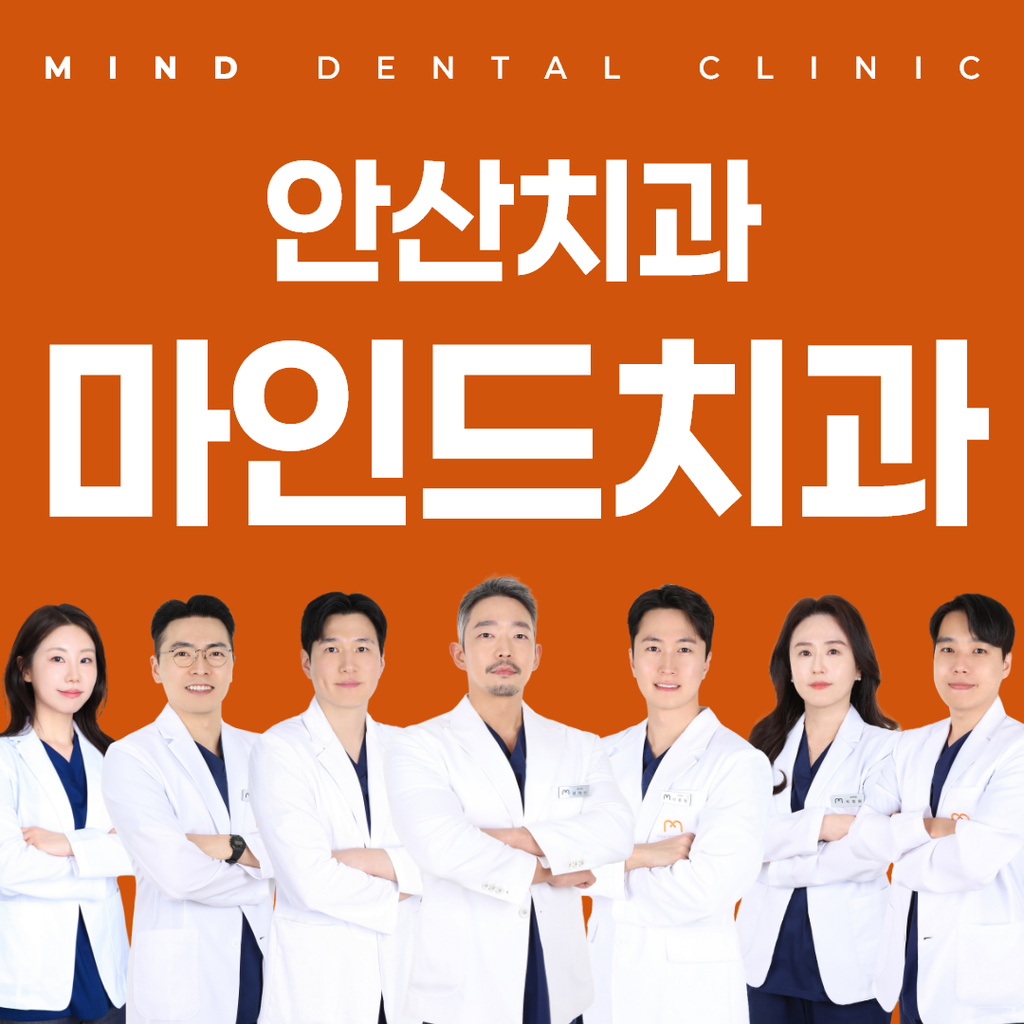
Mind Dental Clinic Information
Mind Dental Clinic, located in Ansan, provides advanced dental treatments including dental implants and no-prep veneers.
Before starting any procedure, patients can receive a comprehensive evaluation of their current oral condition along with a clear explanation of the recommended treatment plan.
Location
4th Floor, Central Tower, 72 Gojan-ro, Danwon-gu, Ansan, South Korea
Phone
+82-31-401-9375
Website
Hours
Mon – Thu: 10:00 AM – 8:00 PM
Fri: 10:00 AM – 6:00 PM
Public Holidays: 10:00 AM – 4:00 PM