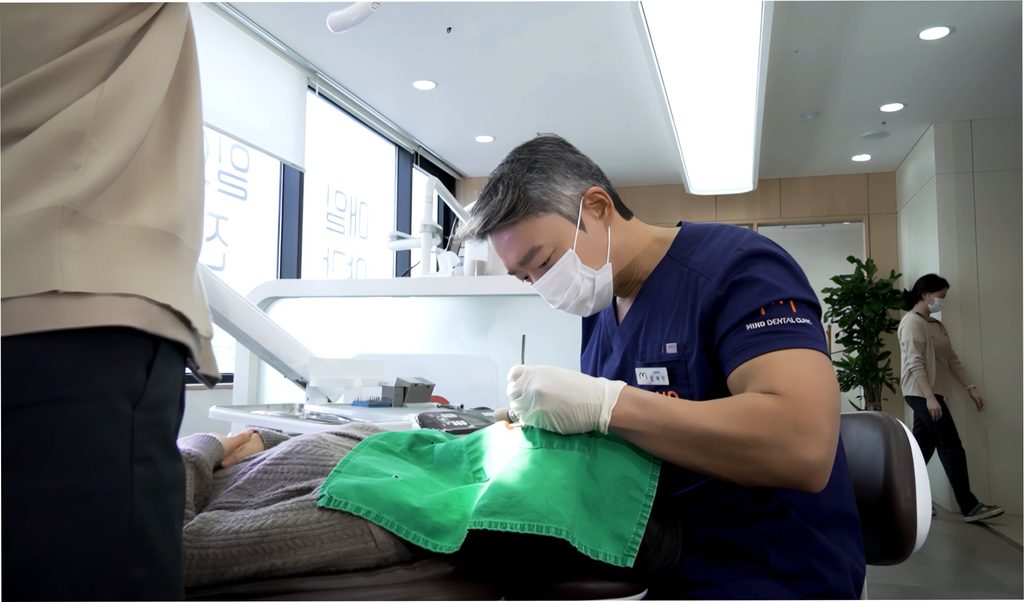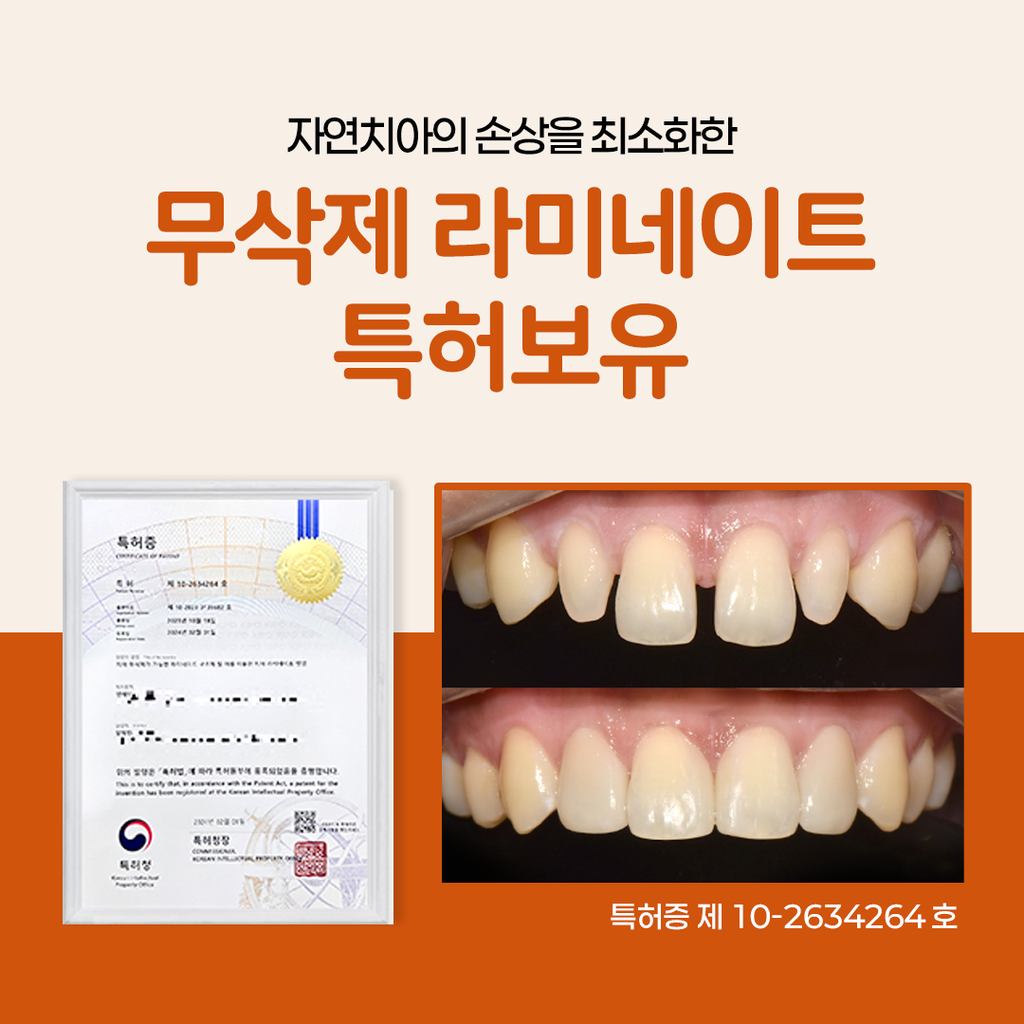
Hello, this is Mind Dental Clinic.
If you are about to have your first root canal treatment, one of the biggest concerns is usually pain.
During consultations, patients often ask, “Does a root canal hurt a lot?”, “Will anesthesia make it more comfortable?”, or “Is throbbing pain after treatment normal?”
The short answer is that the level of discomfort varies depending on the severity of inflammation, how the tooth responds to local anesthesia, and the location of the tooth.
Not every root canal treatment involves severe pain from beginning to end.
In fact, some patients who were already experiencing intense toothache, especially at night, may notice that their original pain gradually decreases after infected or inflamed tissue inside the tooth is removed.
Rather than focusing only on whether root canal treatment hurts, it is more useful to understand the current condition of the tooth, how the procedure is performed, and which symptoms require additional evaluation.
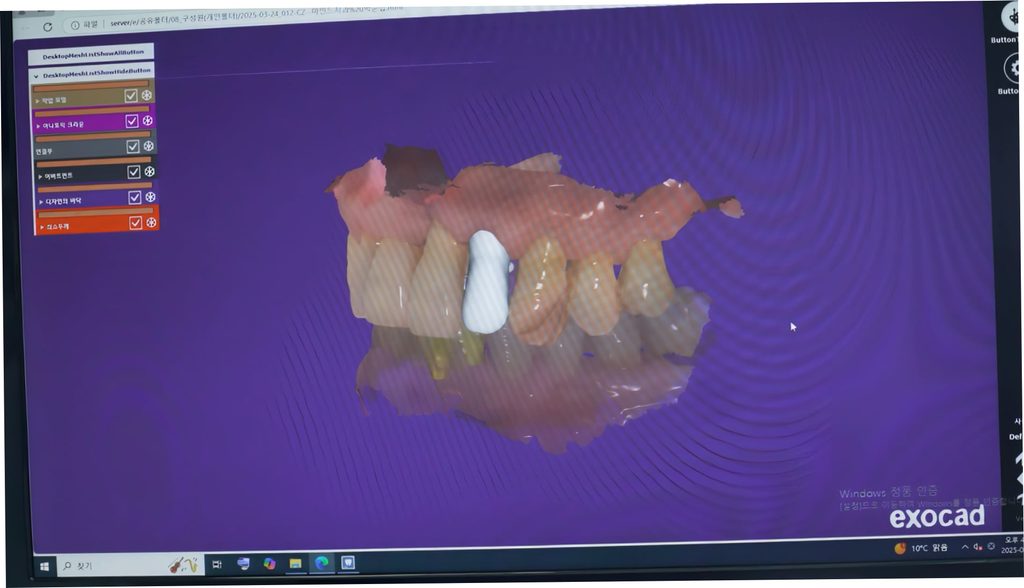
When Is Root Canal Treatment Needed?
Root canal treatment may be considered when the pulp tissue inside a tooth becomes infected or damaged because of deep decay, a cracked tooth, trauma, or problems around an old filling or restoration.
While a regular filling mainly removes decay and restores the damaged area, root canal treatment involves cleaning infected tissue inside the tooth, disinfecting the root canals, and sealing them.
Certain symptoms may indicate that the dental pulp or tissues around the root need to be examined.
| Common Symptom | What We Evaluate |
|---|---|
| Throbbing pain at night | Duration and intensity of pain |
| Lingering pain after hot or cold drinks | How long the pain continues after the stimulus is removed |
| Pain when chewing | Possible cracks or inflammation around the root |
| Swollen gums or drainage | Signs of infection around the root |
Symptoms alone, however, do not automatically mean that root canal treatment is necessary.
A dental examination and, when needed, X-rays are used to evaluate the tooth and surrounding structures before deciding on treatment.

Does Root Canal Treatment Hurt the First Time?
A typical root canal procedure begins with an examination and diagnostic imaging when necessary.
Local anesthesia is then administered before the dentist accesses the inside of the tooth, removes infected tissue, cleans and disinfects the root canals, and places a temporary or final seal depending on the treatment stage.
Local anesthesia is commonly used to reduce pain during the procedure.
However, if a tooth already has severe acute inflammation and is extremely sensitive even to light pressure, the response to anesthesia may vary.
In such situations, additional anesthesia or adjustments to the pace of treatment may be needed.
Even when the area is properly numb, you may still notice sensations such as:
- mild pressure
- vibration from dental instruments
- water or suction
- fatigue from keeping your mouth open
These sensations are different from sharp pain.
If you experience persistent or sharp pain during treatment, it is better to let your dentist know rather than trying to tolerate it.

Does Anesthesia Reduce Root Canal Pain?
Local anesthesia plays an important role in controlling discomfort during root canal treatment.
However, anesthesia does not always eliminate every sensation.
Pressure, vibration, or movement may still be noticeable even when sharp pain has been reduced.
| Situation | What You May Feel | When to Tell Your Dentist |
|---|---|---|
| During treatment | Pressure or vibration | Persistent sharp pain |
| Shortly after treatment | Mild soreness or heaviness | Pain that becomes progressively worse |
| When chewing | Temporary sensitivity | Difficulty chewing on the treated side |
| Around the gums | Usually no major changes | Swelling, drainage, or facial swelling |
Before treatment, it can be helpful to describe your symptoms in detail.
For example, tell your dentist when the pain started, whether it gets worse at night, whether hot or cold foods trigger pain, and whether chewing causes discomfort.
These details can help the dentist better understand the condition of the tooth.
How Many Visits Does a Root Canal Take?
There is no single number of visits that applies to every patient.
The treatment schedule depends on the location of the tooth, the number and shape of the root canals, the extent of infection, and whether the tooth has previously undergone root canal treatment.
Front teeth often have a relatively simpler root canal anatomy, while molars may contain several canals with more complex shapes.
If there is significant inflammation around the root, drainage, or persistent infection, the dentist may place medication inside the tooth and evaluate the response before completing the next stage.
For this reason, it is usually more important to properly clean and control the infection than to focus on completing treatment in a fixed number of appointments.
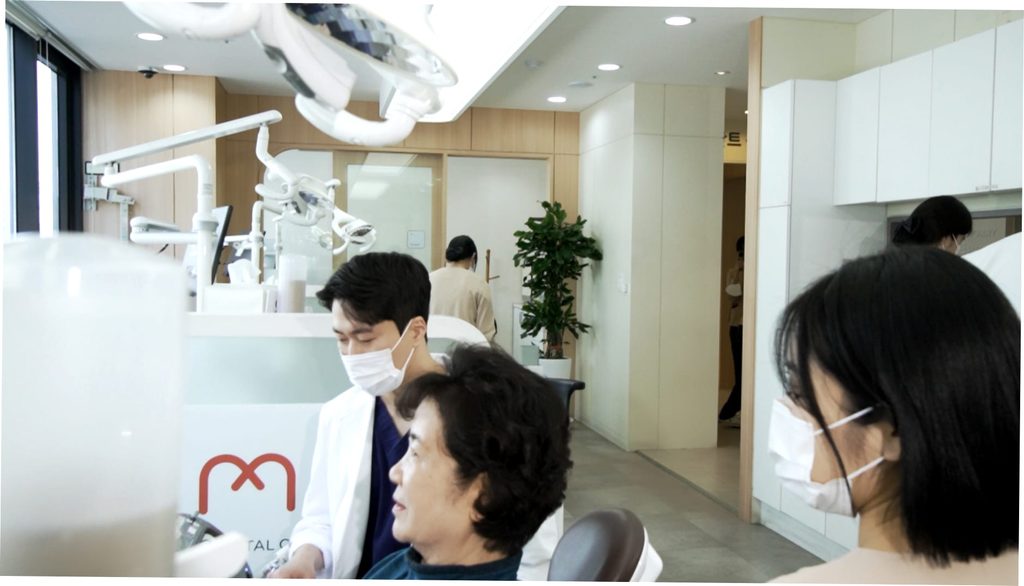
Is Throbbing Pain After a Root Canal Normal?
Some patients experience mild soreness, tenderness, or a heavy feeling for a short period after root canal treatment.
The tissues surrounding the root may become temporarily irritated during cleaning and disinfection.
What matters most is whether the discomfort is improving or getting worse.
Mild symptoms that gradually decrease can often be monitored.
However, additional evaluation may be recommended if you experience:
- worsening pain
- severe pain that interrupts sleep
- swollen gums
- drainage or pus
- facial swelling
- increasing difficulty chewing
Sometimes the temporary filling may also feel slightly high, causing the treated tooth to make contact first when you bite.
This can increase chewing discomfort and may require a bite adjustment.

What Should You Keep in Mind During Treatment?
If root canal treatment is completed over multiple appointments, a temporary filling may be placed between visits.
During this period, it is best to avoid chewing very hard or sticky foods on the treated tooth.
You should also avoid eating until the numbness has worn off sufficiently, because it is possible to bite your lip, cheek, or tongue without realizing it.
If the temporary filling comes out, the tooth feels cracked, or pain suddenly becomes worse after initially improving, contact your dental clinic rather than waiting until your next scheduled visit.
After root canal treatment is completed, some teeth may require a crown or another type of restoration.
This decision depends on factors such as the amount of remaining tooth structure, the location

of the tooth, and the amount of chewing force it receives.
First Root Canal Treatment? Focus on Your Tooth Condition, Not Just the Pain
It is understandable to feel nervous before your first root canal treatment.
However, hearing that someone else had a painful or completely painless experience does not necessarily predict what your own treatment will feel like.
The depth of decay, severity of inflammation, tooth anatomy, and response to anesthesia can all make a difference.
If you are considering root canal treatment in Ansan, it can be helpful to remember when your symptoms began and whether you have:
- pain at night
- sensitivity to hot or cold
- pain when chewing
- gum swelling
- spontaneous throbbing pain
At Mind Dental Clinic, these symptoms are reviewed together with the clinical examination and any necessary dental X-rays before determining the appropriate treatment approach.
Because every tooth is different, the exact treatment process, number of visits, and post-treatment response may vary from patient to patient.
Frequently Asked Questions
Does a root canal hurt more than a regular filling?
It depends on the condition of the tooth. Teeth that need root canal treatment may already have significant inflammation, but local anesthesia is generally used to manage pain during the procedure.
Does throbbing after a root canal mean the treatment failed?
Not necessarily. Mild soreness or chewing sensitivity may occur temporarily. However, worsening pain, swelling, or drainage should be evaluated.
Does every root canal-treated tooth need a crown?
Not always. The need for a crown depends on the amount of remaining tooth structure, the location of the tooth, and the chewing forces placed on it.

Mind Dental Clinic Information
Mind Dental Clinic, located in Ansan, provides advanced dental treatments including dental implants and no-prep veneers.
Before starting any procedure, patients can receive a comprehensive evaluation of their current oral condition along with a clear explanation of the recommended treatment plan.
Location
4th Floor, Central Tower, 72 Gojan-ro, Danwon-gu, Ansan, South Korea
Phone
+82-31-401-9375
Website
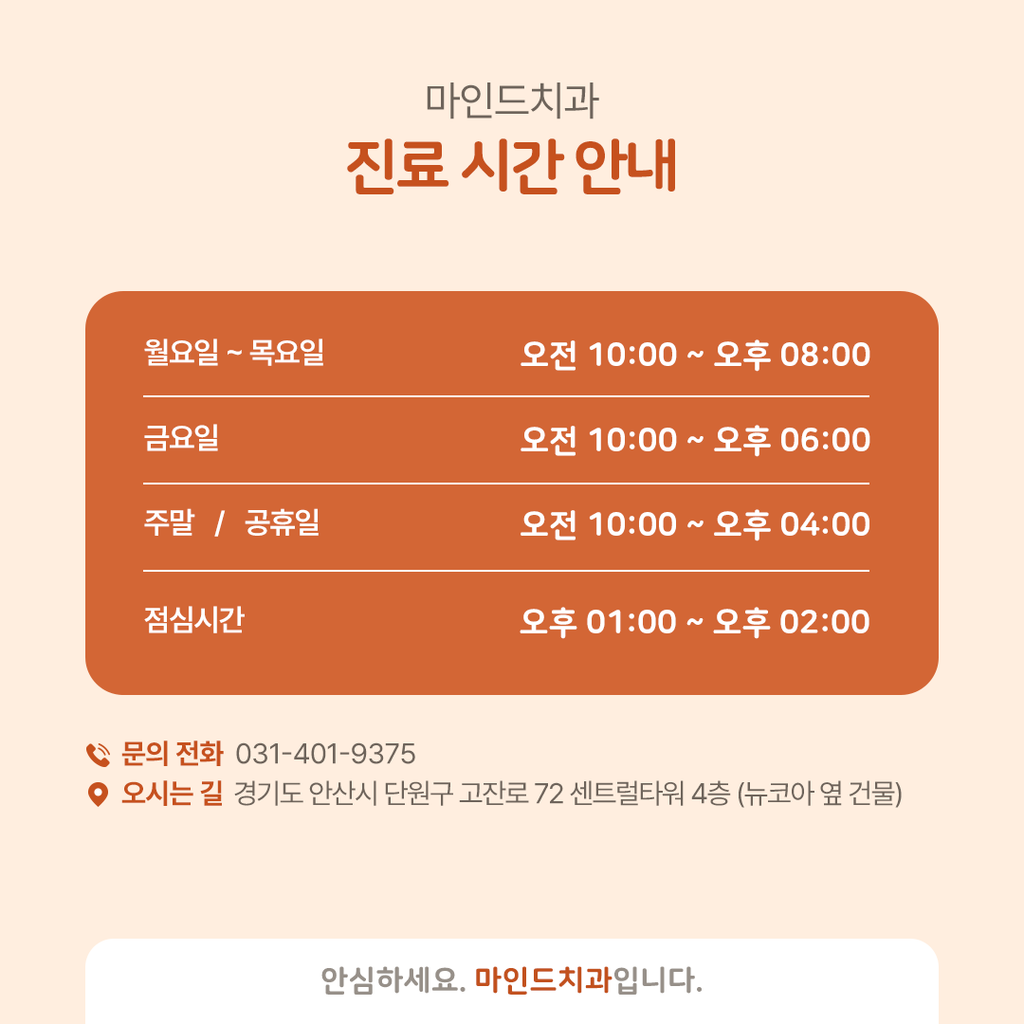
Hours
Mon – Thu: 10:00 AM – 8:00 PM
Fri: 10:00 AM – 6:00 PM
Public Holidays: 10:00 AM – 4:00 PM