Do you need local anesthesia for a small cavity? Many patients wonder whether numbing is always required for early cavity treatment. The decision depends on the cavity depth, where it is located, and the patient’s sensitivity or anxiety — not simply on the label “early.” This article explains when anesthesia for early cavities may be considered and how to reduce discomfort during treatment.
How do we judge the need for anesthesia?
Assessment for anesthesia follows a clinical exam and, when needed, radiographs. Key factors include:
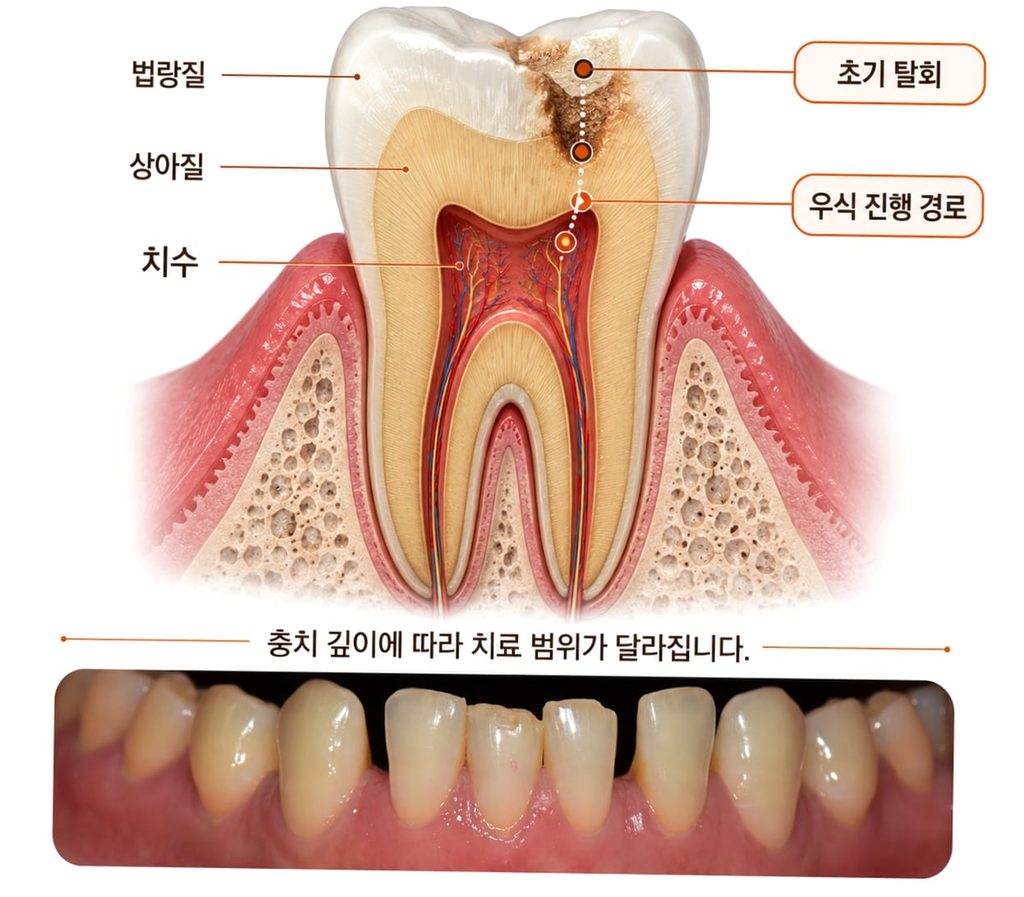
- Cavity depth: lesions limited to the enamel often cause only vibration or slight sensitivity and may be treated without injection.
- Proximity to dentin (and pulp): cavities approaching the dentin layer are more likely to produce sharp sensations and often make anesthesia a reasonable option.
- Tooth location: interproximal (between teeth) or gumline lesions can feel more sensitive during preparation.
- Patient sensitivity and anxiety: patients with strong cold sensitivity or high anxiety may benefit from short, targeted anesthesia to reduce movement and improve comfort.
These elements are evaluated together to determine if anesthesia for early cavities is appropriate in each case.
When can treatment be done without anesthesia?
Some early cavities can be managed without an injection. Typical situations include:
- Very shallow lesions confined to the enamel surface.
- Small restorations on front teeth or shallow fissures on chewing surfaces where access and removal are straightforward.
- Patients with low sensitivity and the ability to stay relaxed during short procedures.
Even when starting without anesthesia, clinicians may switch to local anesthesia if the patient reports increasing sensitivity or cannot remain comfortably still.
Is anesthesia necessary for resin (composite) restorations?
The material itself does not determine whether anesthesia is needed. For resin restorations, the deciding factors are:
- Expected amount of tooth removal: larger or deeper preparations increase the chance of sensitivity.
- Location of the lesion: hard-to-reach areas or teeth near the gumline may trigger more discomfort during preparation.
- Pre-existing sensitivity: teeth that are already sensitive to cold or touch are more likely to require anesthesia.
In short, anesthesia for early cavities when placing resin restorations is considered based on the clinical picture rather than the restorative material.
What options exist when a patient fears injections?
Avoiding injection entirely is a common patient concern. Practical strategies to reduce injection-related anxiety and overall discomfort include:
- Topical (surface) anesthesia to numb the mucosa before an injection, reducing the pinch sensation.
- A staged approach: brief removal of only softened decay first, then reassess pain before continuing.
- Clear, prearranged signals (hand raise) so the patient can pause the procedure immediately if discomfort increases.
- Choosing a short, targeted infiltration rather than larger blocks when appropriate to limit numbness and procedure time.
These measures focus on balancing patient comfort with effective, safe treatment.
When is earlier treatment better for pain control?
Addressing a cavity while it is still shallow usually reduces both discomfort during treatment and the amount of tooth structure that must be removed. Signs that warrant an earlier check include:
- Brief sharp sensitivity to sweet or cold that is new or increasing.
- Food frequently getting stuck between teeth.
- A rough or sticky spot on a tooth where a cavity may be forming.
Delaying care until pain becomes severe can lead to deeper decay, larger restorations, and higher likelihood of needing anesthesia later.
Anesthesia for early cavities is not always required. The decision is individualized based on cavity depth, location, patient sensitivity, and anxiety. Some shallow, enamel-only lesions can be treated without injections, while cavities nearer the dentin, in sensitive areas, or in anxious patients may be more comfortably managed with short local anesthesia. Discussing your symptoms and preferences with the dentist before starting treatment helps ensure a safe and comfortable experience.