Many patients ask whether aesthetic dental procedures can be covered by insurance.
In practice, purely cosmetic treatments are usually uninsured, while procedures aimed at restoring function—such as treating extensive caries or repairing fractured teeth—may be evaluated for coverage. When you search for Ansan Gojan-dong aesthetic dental treatment, the determining factors are the diagnosis, treatment purpose, materials used, and extent of damage, not the label “cosmetic” alone.
When can cosmetic dental care be considered for insurance?
Insurance consideration focuses on whether the procedure is intended to restore oral health and function rather than only improve appearance. Examples:
- Likely uninsured: elective procedures to change tooth color or shape for purely esthetic reasons (for example, some veneers and cosmetic crowns).
- Possibly eligible: treatments for large cavities, fractured teeth that impair chewing, or replacements where disease or damage is present.
Even when a front-tooth restoration looks similar, coverage depends on the clinical reason and specific insurance criteria. If you are seeking Ansan Gojan-dong aesthetic dental treatment, expect an assessment of functional need rather than an automatic approval based on appearance.
How do insurers evaluate dental treatments?
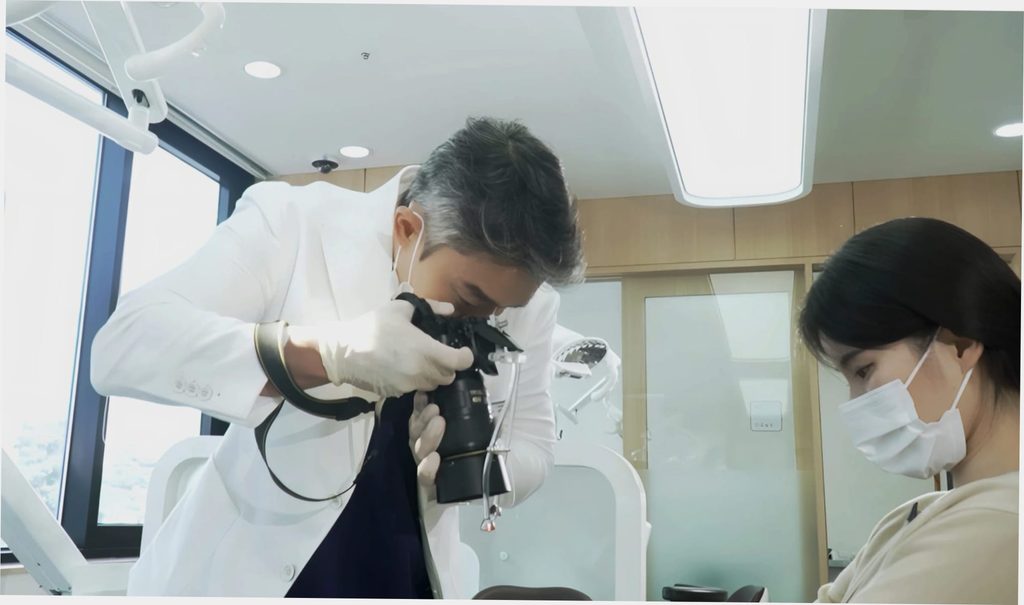
Insurers review the clinical diagnosis, extent of disease or damage, and chosen procedure. Common evaluation points include:
- Whether the main goal is function recovery (pain relief, chewing) or esthetic improvement.
- Depth and size of caries and the required removal of tooth structure.
- Amount of remaining tooth substance after a fracture and whether pulp involvement is present.
- Whether a prosthesis is needed due to disease-related loss versus elective replacement.
This means that even within the same tooth area, two treatments can be classified differently depending on these details.
Do diagnostic reports or medical notes make coverage more likely?
A diagnostic report or medical opinion documents the current condition and treatment rationale, but it does not automatically convert an uninsured esthetic procedure into an insured one. These documents are useful for:
- Claiming reimbursement from private insurance (e.g., indemnity plans).
- Submitting to employers or institutions that require clinical justification.
However, public health insurance decisions follow predefined benefit rules and are based on the treatment code and clinical indication rather than the presence of a letter alone.
Typical documents and roles
- Diagnostic certificate: records the diagnosis and current condition—informative, not decisive for coverage.
- Clinical opinion: explains treatment necessity—useful for submissions but not a guarantee.
- Detailed billing statement and radiographs: often required for reimbursement claims and for insurer review.

How can you manage costs for aesthetic dental care?
Reducing cost is not about choosing the cheapest option but prioritizing treatment by clinical need. Practical steps:
- Separate urgent functional treatment from elective esthetic improvements.
- Treat cavities and small fractures early to avoid larger restorations later.
- Discuss material options and which elements are refundable under insurance versus out-of-pocket.
- Ask whether staged treatment is feasible so necessary function-restoring steps are done first and cosmetic choices later.
When considering Ansan Gojan-dong aesthetic dental treatment, compare treatment plans and the reasons for material selection rather than only price lists.
Questions to prepare before your consultation
Preparing focused questions helps the clinical team assess insurance possibilities and plan effectively. Consider asking:
- Is my treatment primarily for function recovery or esthetic improvement?
- Which parts of the proposed treatment could be reviewed for insurance coverage?
- What are the material options (composite, crown, veneer) and associated cost differences?
- Would a diagnostic certificate or clinical opinion be helpful for my insurance claim, and what format is required?
- Can treatment be divided into urgent and elective phases?
Insurance approval for cosmetic dental care depends on clinical necessity and treatment coding rather than the procedure name. For Ansan Gojan-dong aesthetic dental treatment inquiries, focus first on why treatment is needed: caries, fracture, or purely esthetic concerns. Diagnostic documents help explain the condition but do not automatically change coverage decisions. Discussing priorities, material choices, and staged treatment options with your dentist will give a clearer picture of potential insurance support and out-of-pocket costs.
Mind Dental Clinic Information
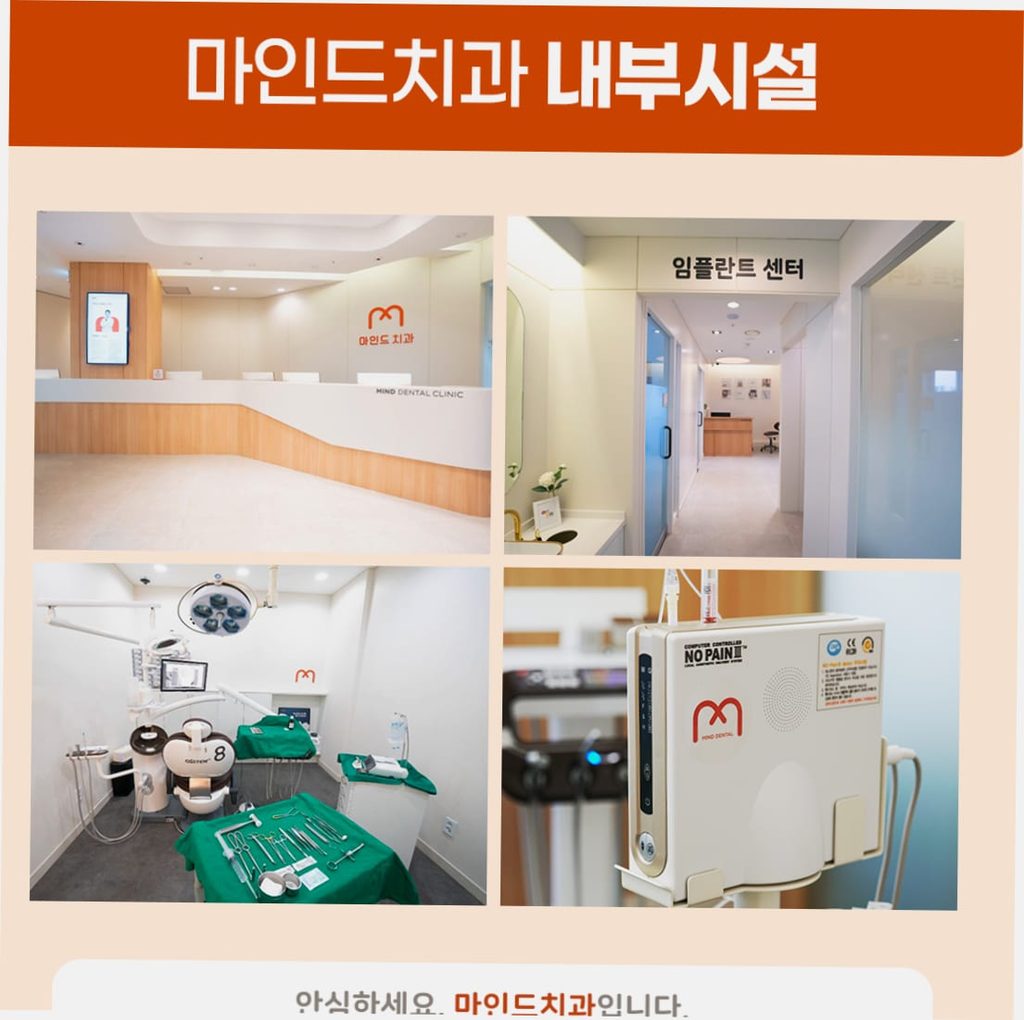
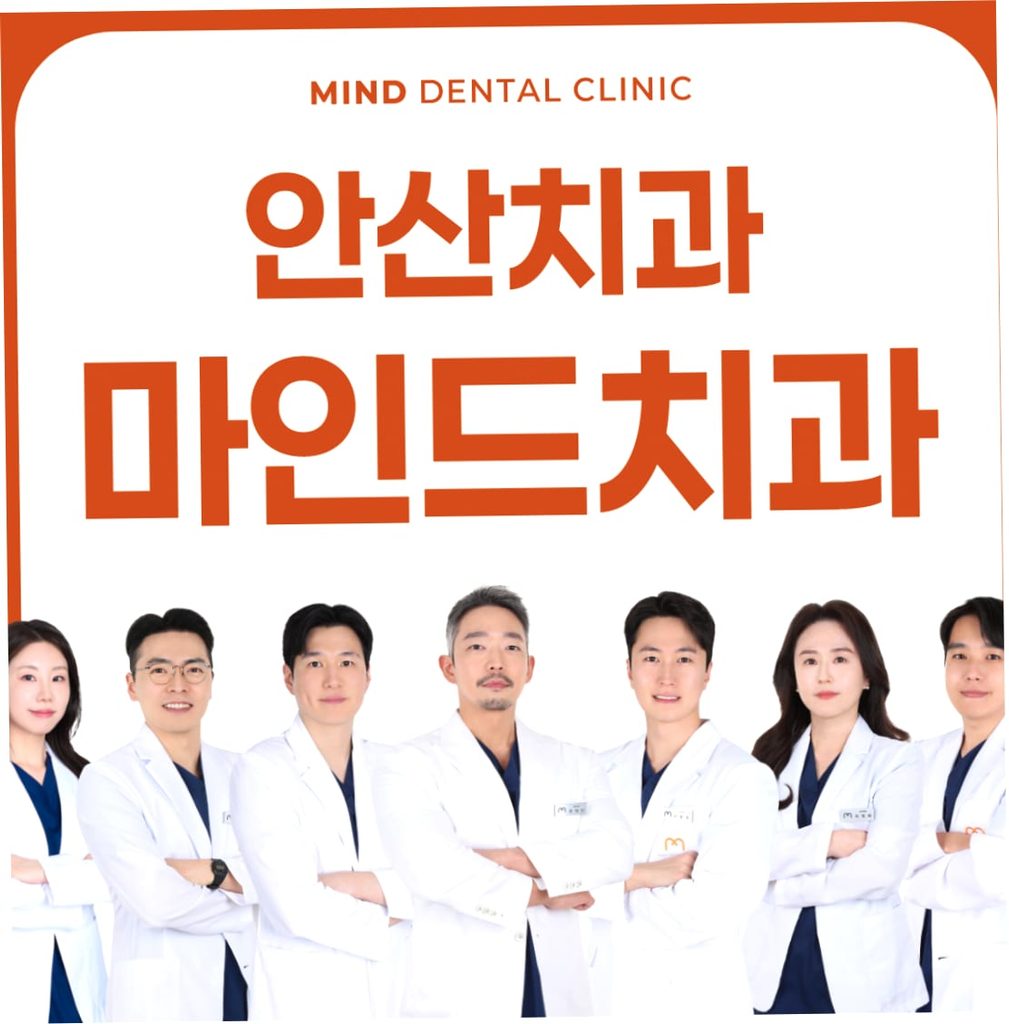
Mind Dental Clinic, located in Ansan, provides advanced dental treatments including dental implants and no-prep veneers.
Before starting any procedure, patients can receive a comprehensive evaluation of their current oral condition along with a clear explanation of the recommended treatment plan.
Location
4th Floor, Central Tower, 72 Gojan-ro, Danwon-gu, Ansan, South Korea
Phone
+82-31-401-9375
Website
Hours
Mon – Thu: 10:00 AM – 8:00 PM
Fri: 10:00 AM – 6:00 PM
Public Holidays: 10:00 AM – 4:00 PM