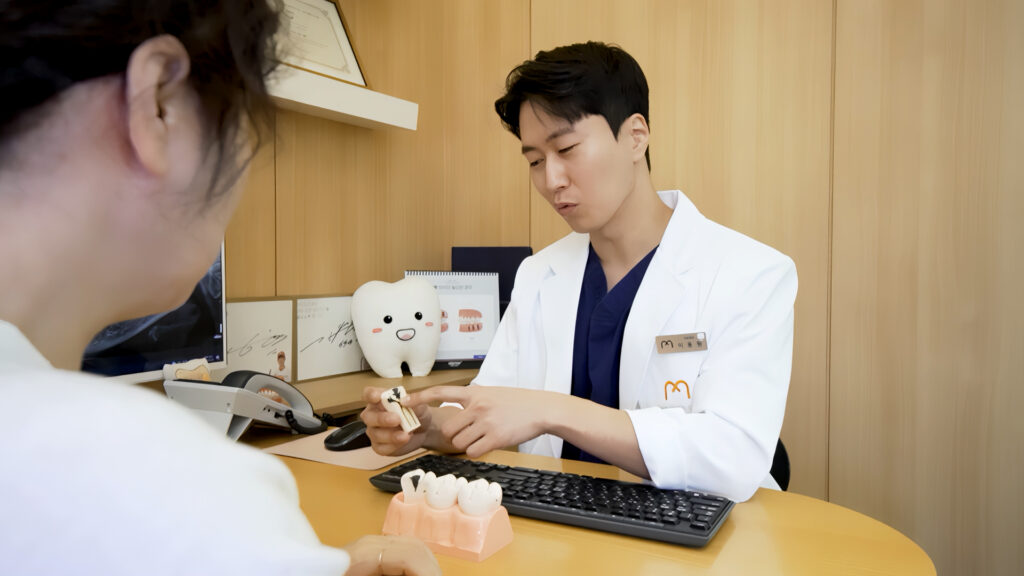
When a tooth breaks, many patients first wonder, “Do I need a crown?”, “Can it be treated with a veneer?”, or “Will I need an implant?” In actual dental consultations, patients who visit after a tooth fracture often want to know not just the name of the treatment, but whether their natural tooth can be used for as long as possible.
The key point is that a broken tooth does not always require the same type of prosthetic treatment. To use the tooth for a long time, the extent of the fracture, the amount of remaining tooth structure, the root condition, whether root canal treatment has been performed, damage below the gumline, and chewing force all need to be evaluated together.
A tooth may look only slightly chipped from the outside, but the internal crack may be deeper than expected. On the other hand, even if the tooth appears significantly broken, preservation may still be considered if the root and gum condition are stable.
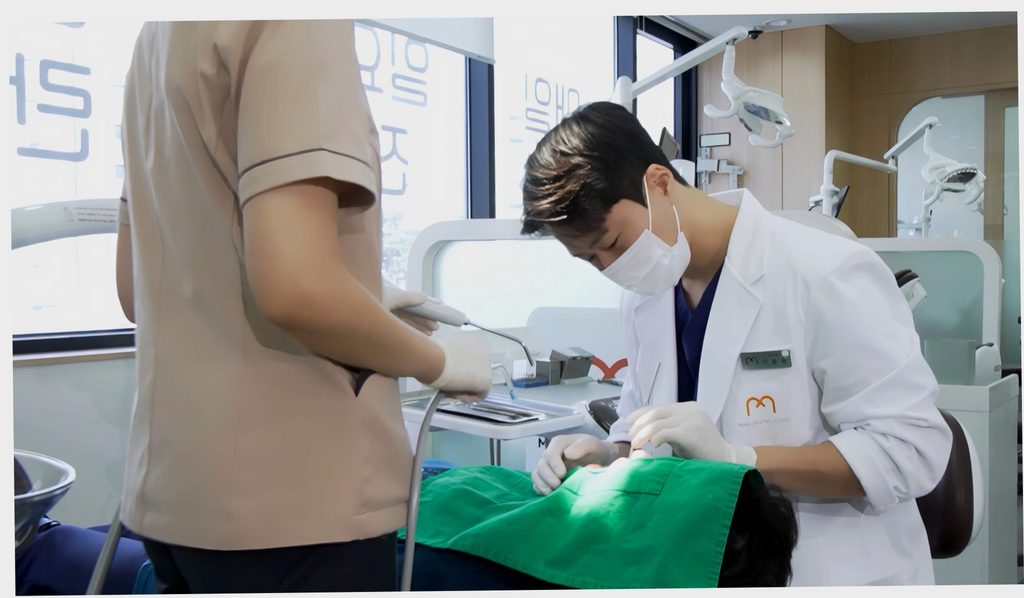
What should be checked first when a tooth breaks?
In prosthetic treatment consultations, the location of the fracture is often more important than the visible size of the broken area. The treatment direction may change depending on whether only the outer surface is chipped, whether a large part of the chewing surface is damaged, or whether the crack extends below the gumline or toward the root.
A small fracture may be restored with a more conservative option such as resin filling or an inlay. However, if much of the tooth wall is missing or the tooth has already undergone root canal treatment, a crown may be needed to cover the entire tooth and distribute chewing force.
If a root fracture is suspected or the tooth cannot be maintained safely, extraction followed by an implant or bridge may also need to be discussed.
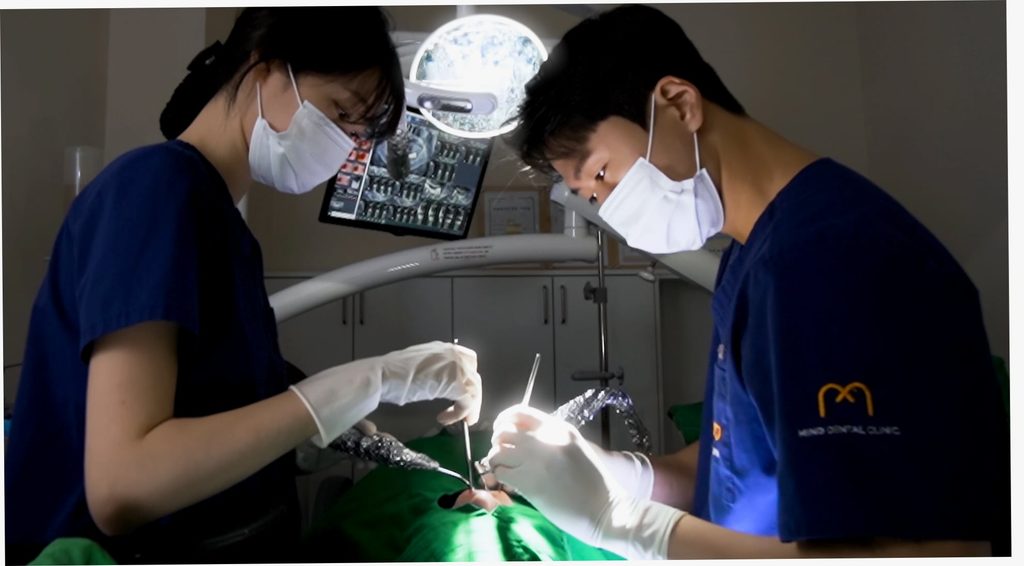
How are partial restorations and crowns different?
A partial restoration has the advantage of preserving more healthy tooth structure. If the broken area is small and enough tooth wall remains, resin, inlay, or onlay treatment may be considered.
However, if the tooth receives strong chewing force or the crack extends deeply, a partial restoration may not provide enough long-term stability.
A crown covers the entire tooth. It may be considered when the tooth has become structurally weak or when there is not enough remaining tooth structure after root canal treatment. However, a crown may require more tooth reduction, and careful management of the gum margin and bite is important.
When considering prosthetic treatment, it is more helpful to ask, “Can my tooth be treated with a partial restoration?” or “Why would a crown be necessary in my case?” rather than only asking which material lasts longer.
When should an implant be considered?
A broken tooth does not automatically mean that an implant is needed. If possible, the first step is to evaluate whether the natural tooth can be preserved.
However, if the tooth is broken deeply below the gumline, if the crack extends into the root, or if repeated inflammation makes the tooth difficult to support, extraction and replacement may need to be considered.
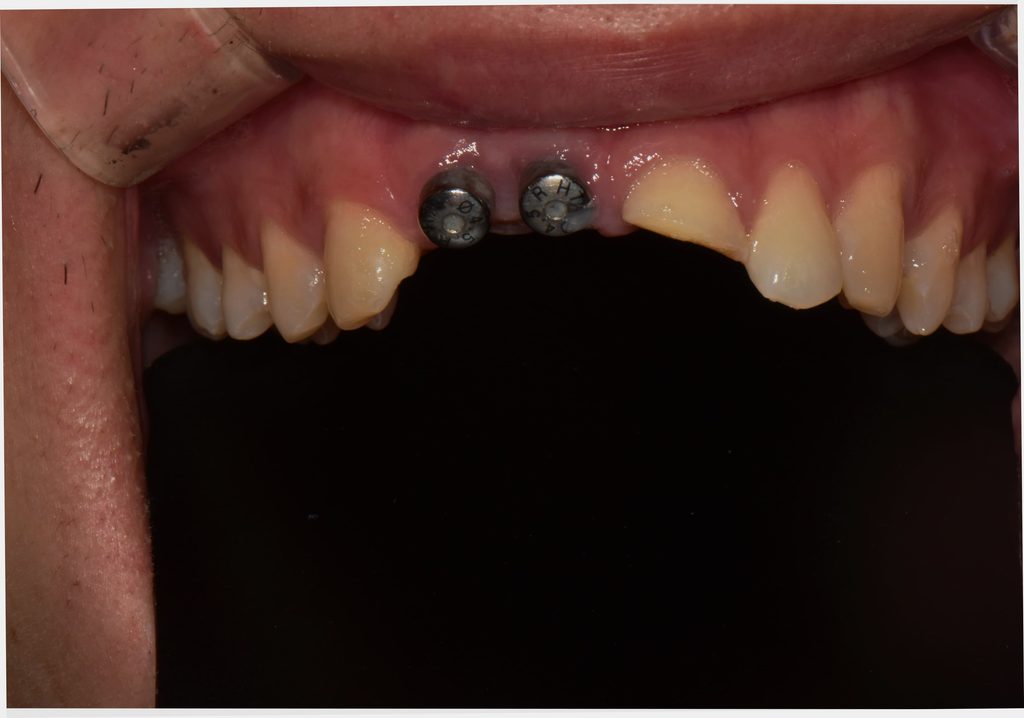
An implant can be an option for functional recovery when extraction is unavoidable. However, because it involves surgery, the jawbone condition, systemic health, smoking status, and bite relationship with the opposing teeth should all be checked. Depending on the patient’s condition, a bridge or partial denture may also be compared as another option.
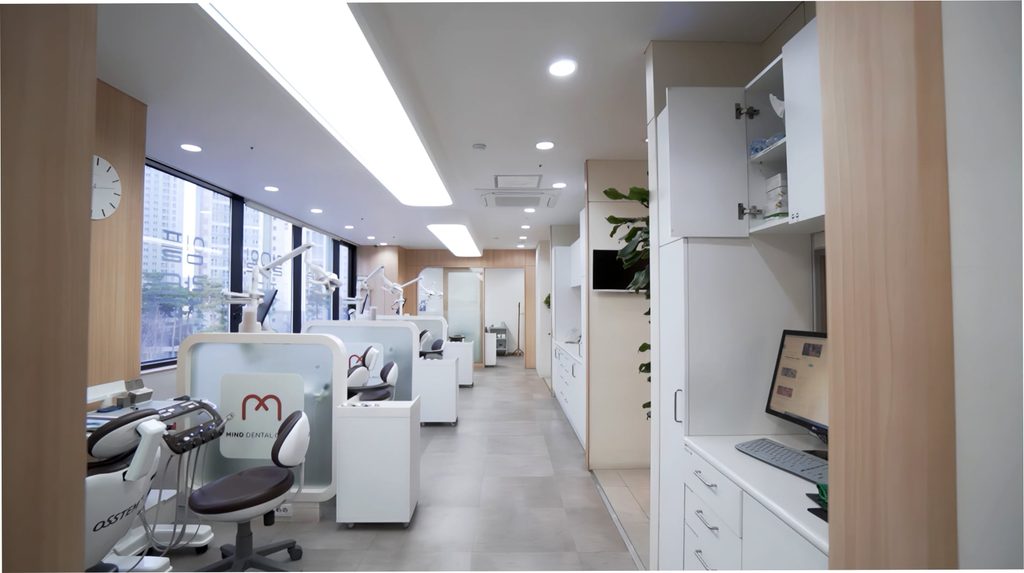
Why do the process and cost of prosthetic treatment vary?
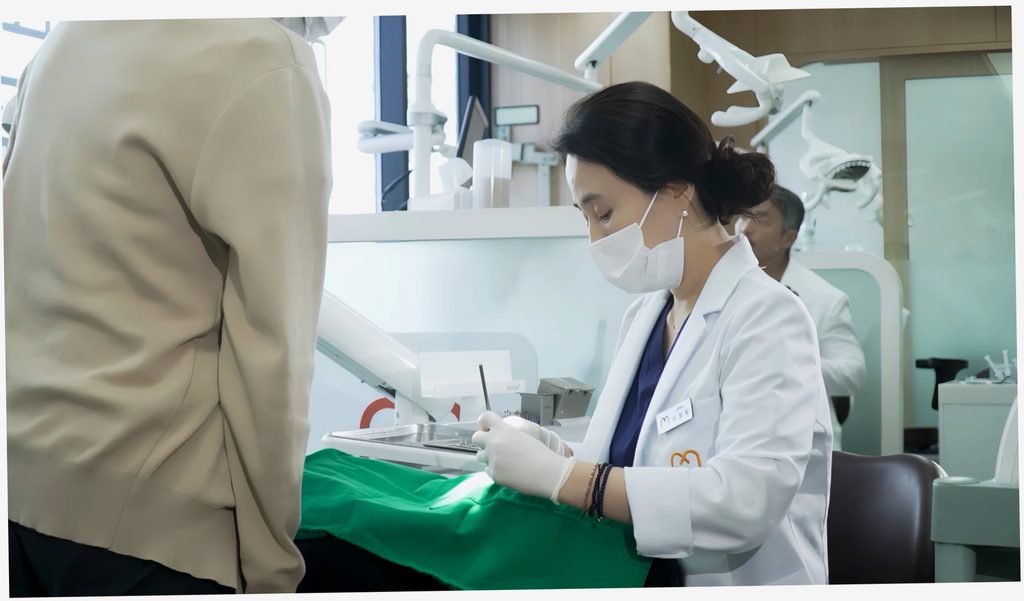
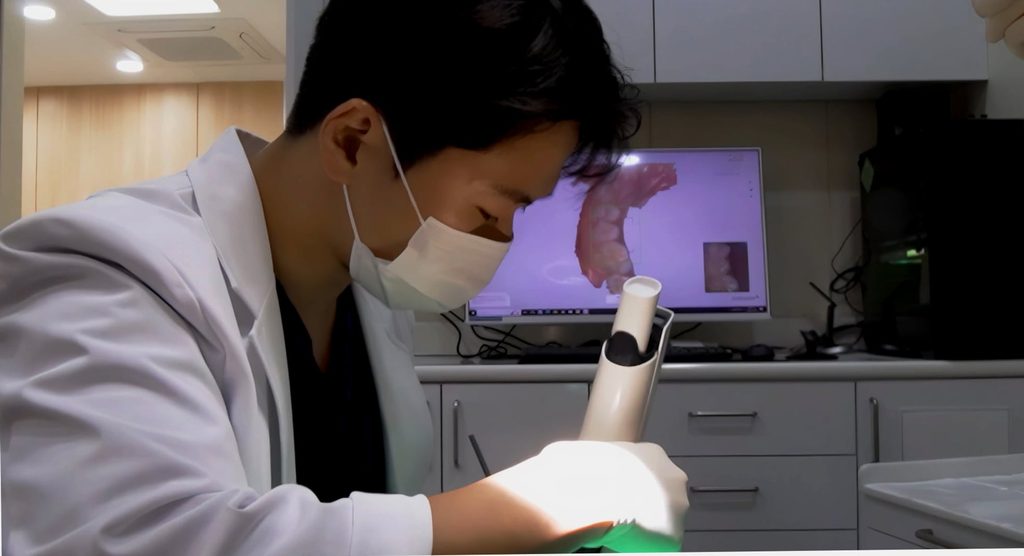
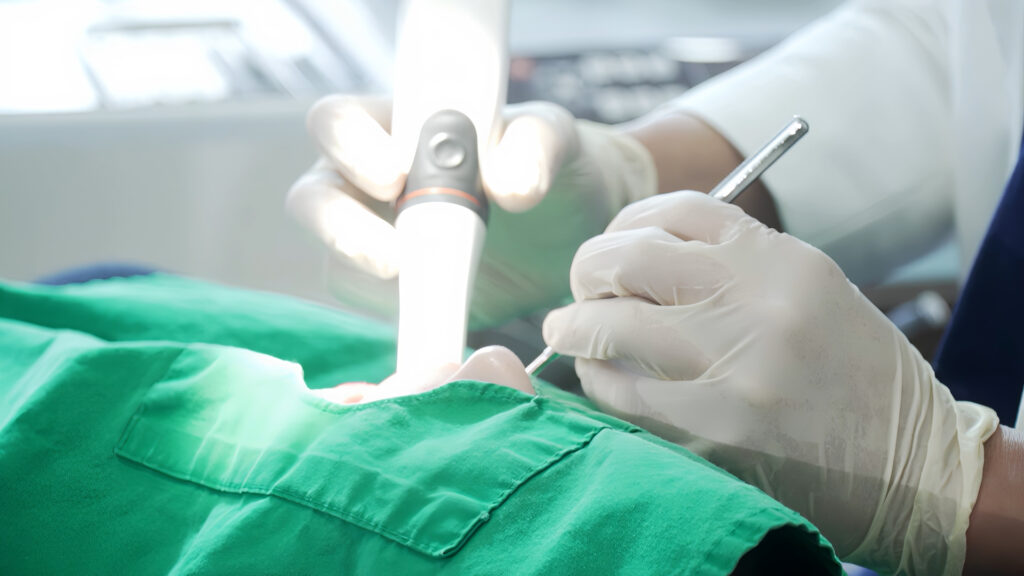
The prosthetic treatment process usually includes examination, radiographic evaluation, root canal treatment or gum treatment if needed, impression taking or oral scanning, temporary restoration, final prosthesis placement, and bite adjustment.
However, the number of steps and the treatment period may vary depending on the fracture location, inflammation, and amount of remaining tooth structure.
The cost of prosthetic treatment is also not determined by the material alone. The need for root canal treatment, core buildup, temporary teeth, esthetic requirements for front teeth, and chewing force for molars can all affect the treatment plan. This can differ from patient to patient.
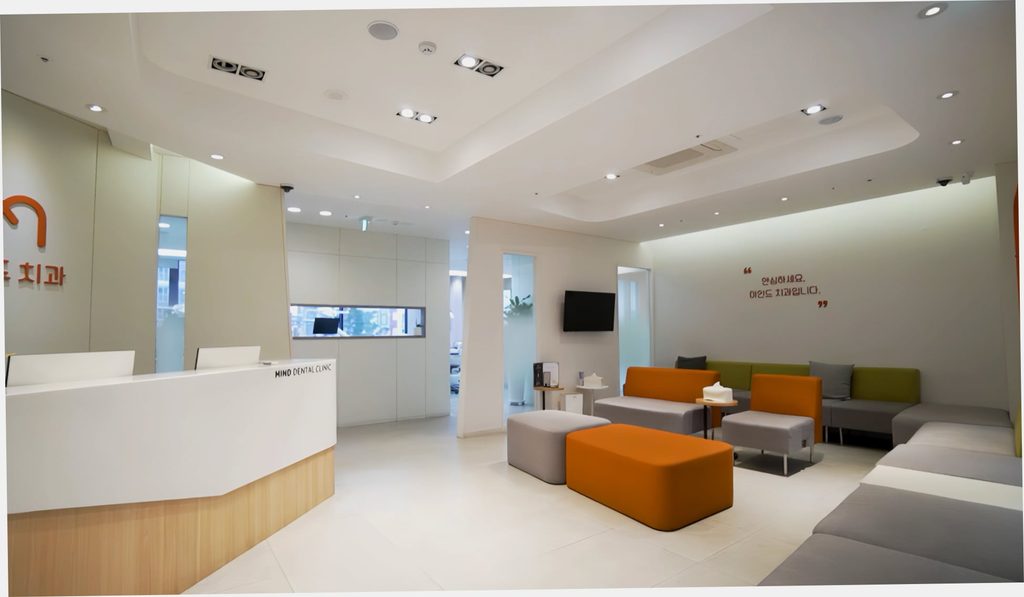
Long-term maintenance matters after treatment
To use a prosthetic restoration for a long time, post-treatment care is important. If a patient often chews hard foods on one side, clenches the teeth, or grinds the teeth, repeated force may be placed on both the restoration and the remaining tooth structure.
In these cases, bite adjustment or a protective appliance may be discussed. Learning how to use dental floss and interdental brushes is also important. If the restoration feels too high or uncomfortable for a long time after placement, it should be checked.
During regular dental checkups, the gum condition around the restoration, the prosthetic margin, and whether chewing force is concentrated on one side should all be evaluated.
When considering prosthetic treatment for a broken tooth, the important point is not to rush into choosing a treatment name. It is more important to understand why the tooth broke and how far the damage has progressed.
In the end, what mattered most was not comparing prosthetic materials alone, but checking the remaining tooth structure, root condition, bite, gum health, and possibility of long-term maintenance together.
An accurate diagnosis and treatment plan require evaluation by a dental professional.
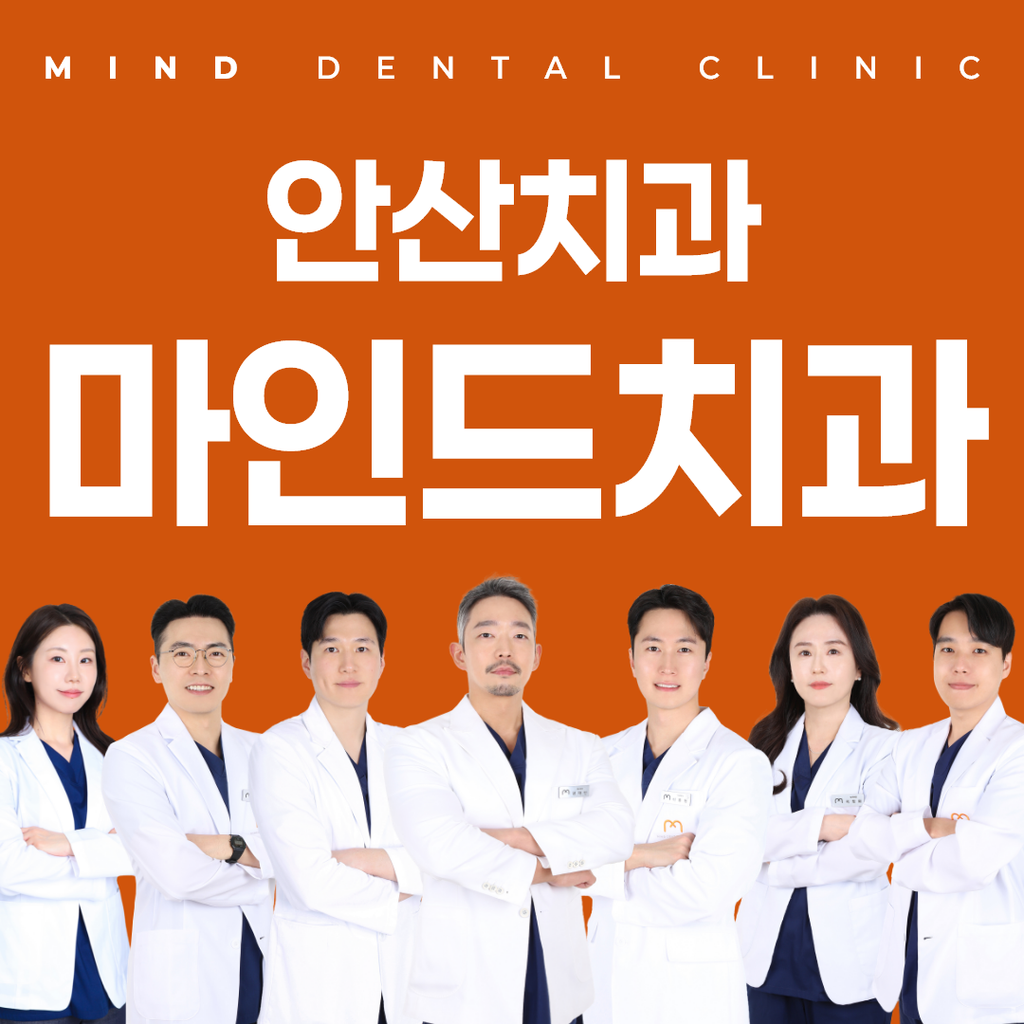
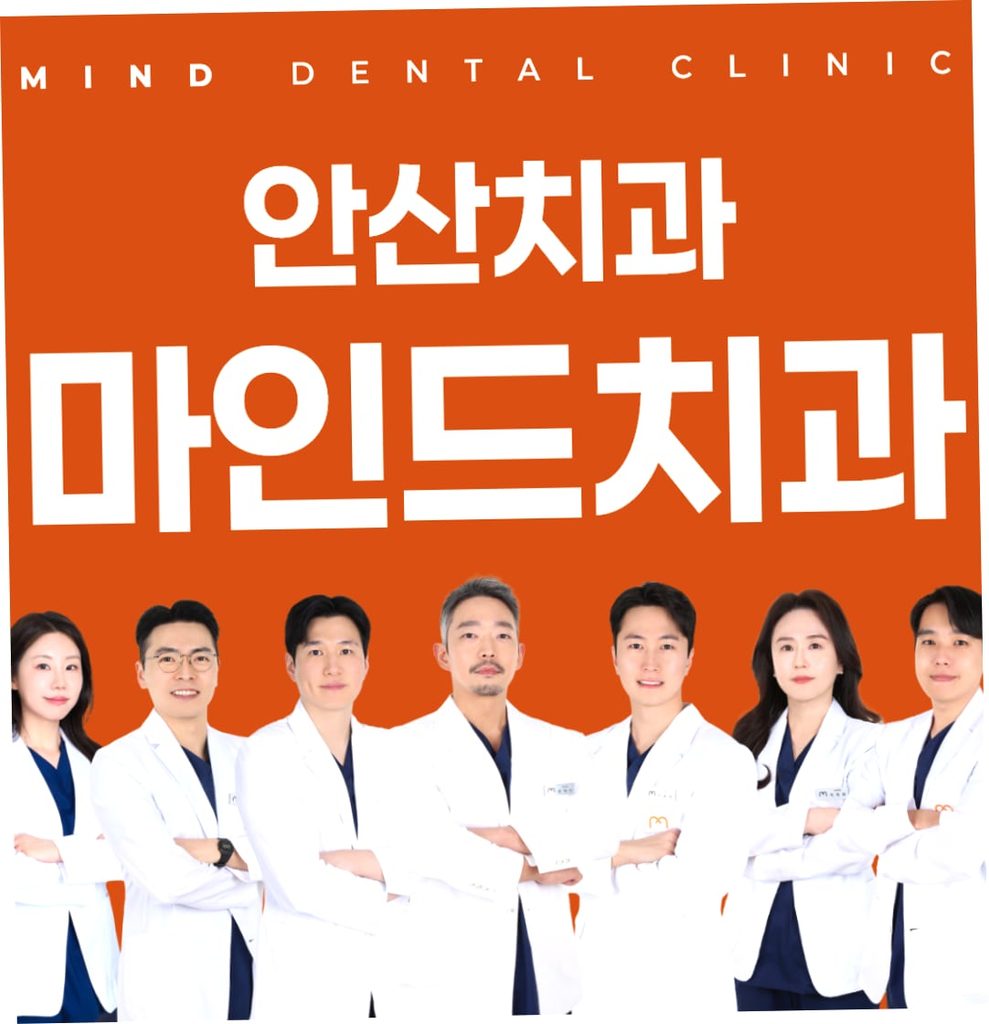
Mind Dental Clinic Information
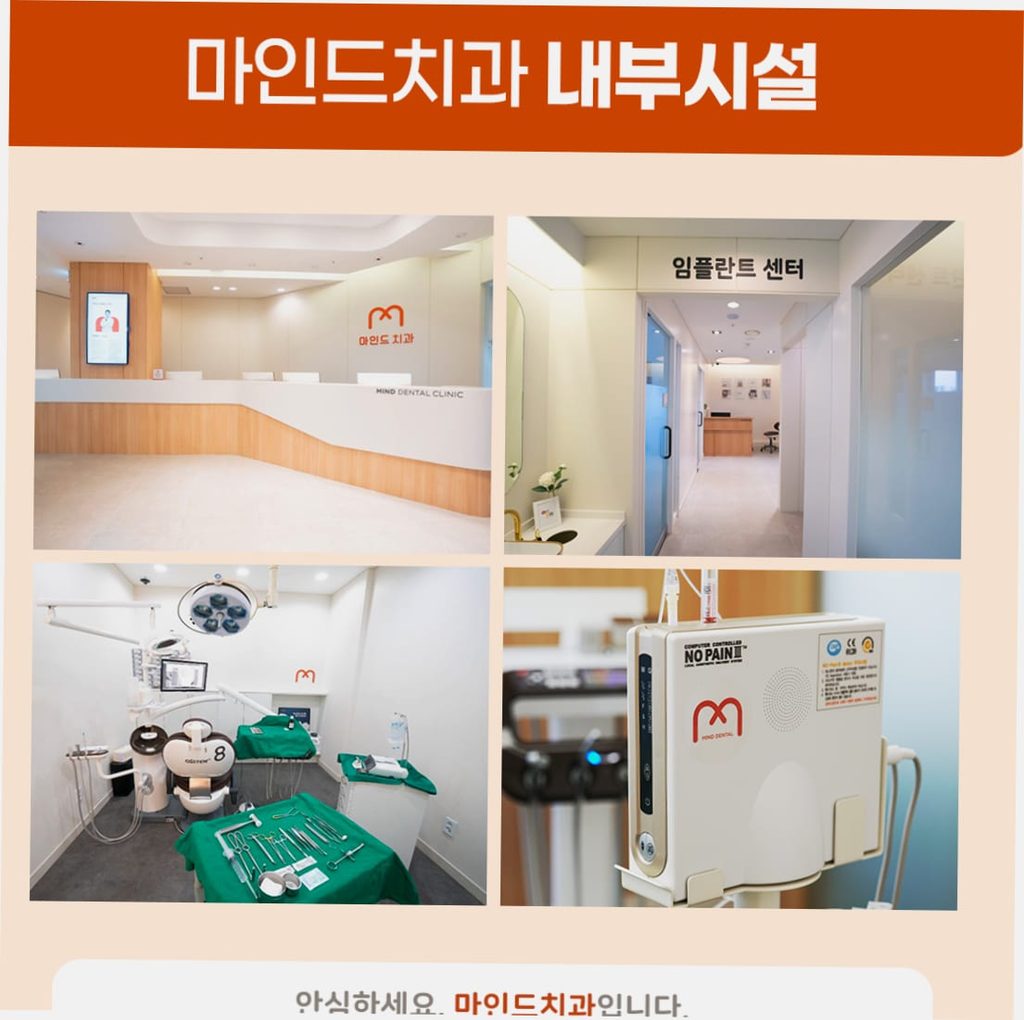
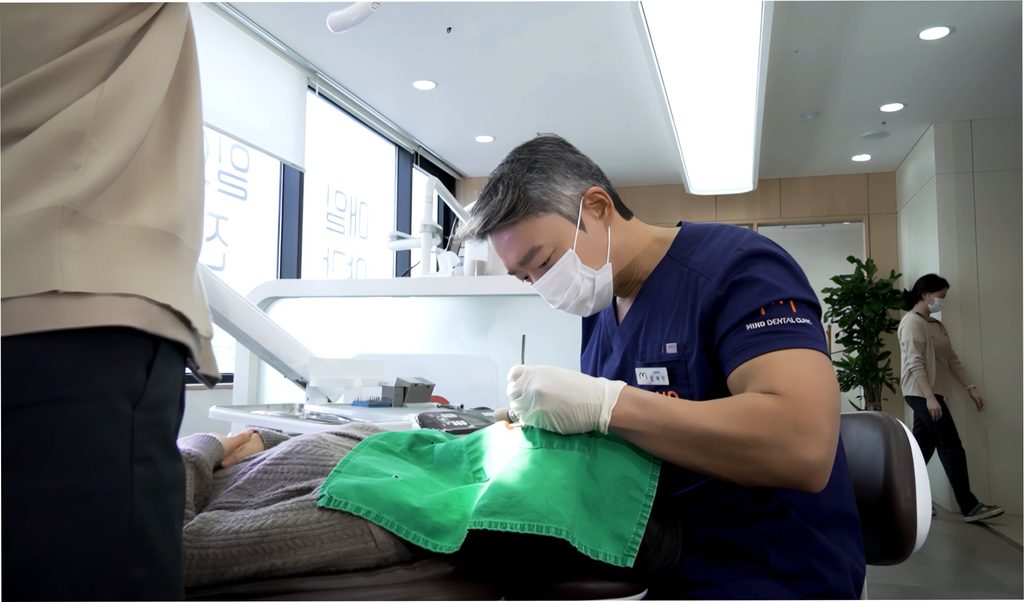
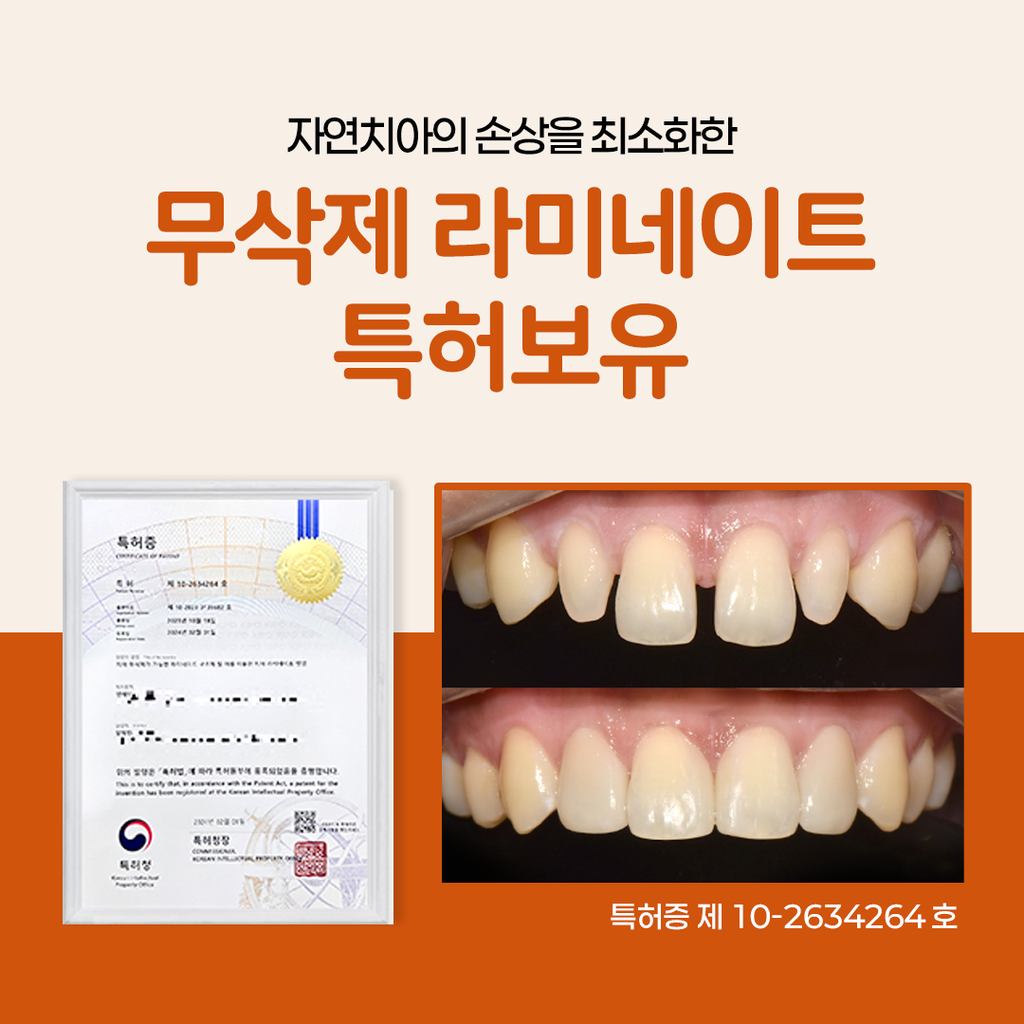
Mind Dental Clinic, located in Ansan, provides advanced dental treatments including dental implants and no-prep veneers.
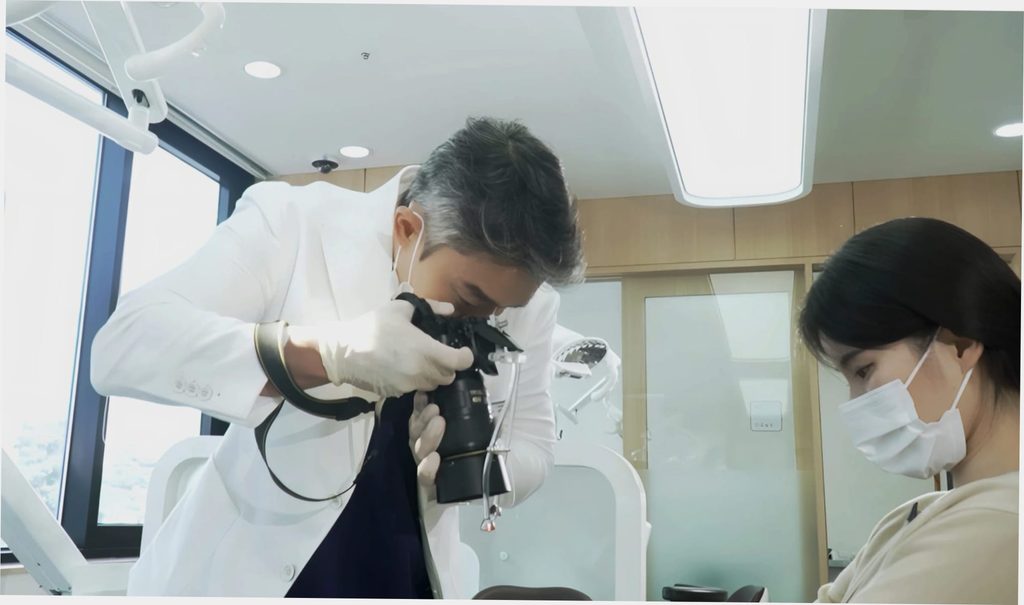
Before starting any procedure, patients can receive a comprehensive evaluation of their current oral condition along with a clear explanation of the recommended treatment plan.
Location
4th Floor, Central Tower, 72 Gojan-ro, Danwon-gu, Ansan, South Korea
Phone
+82-31-401-9375
Website
Hours
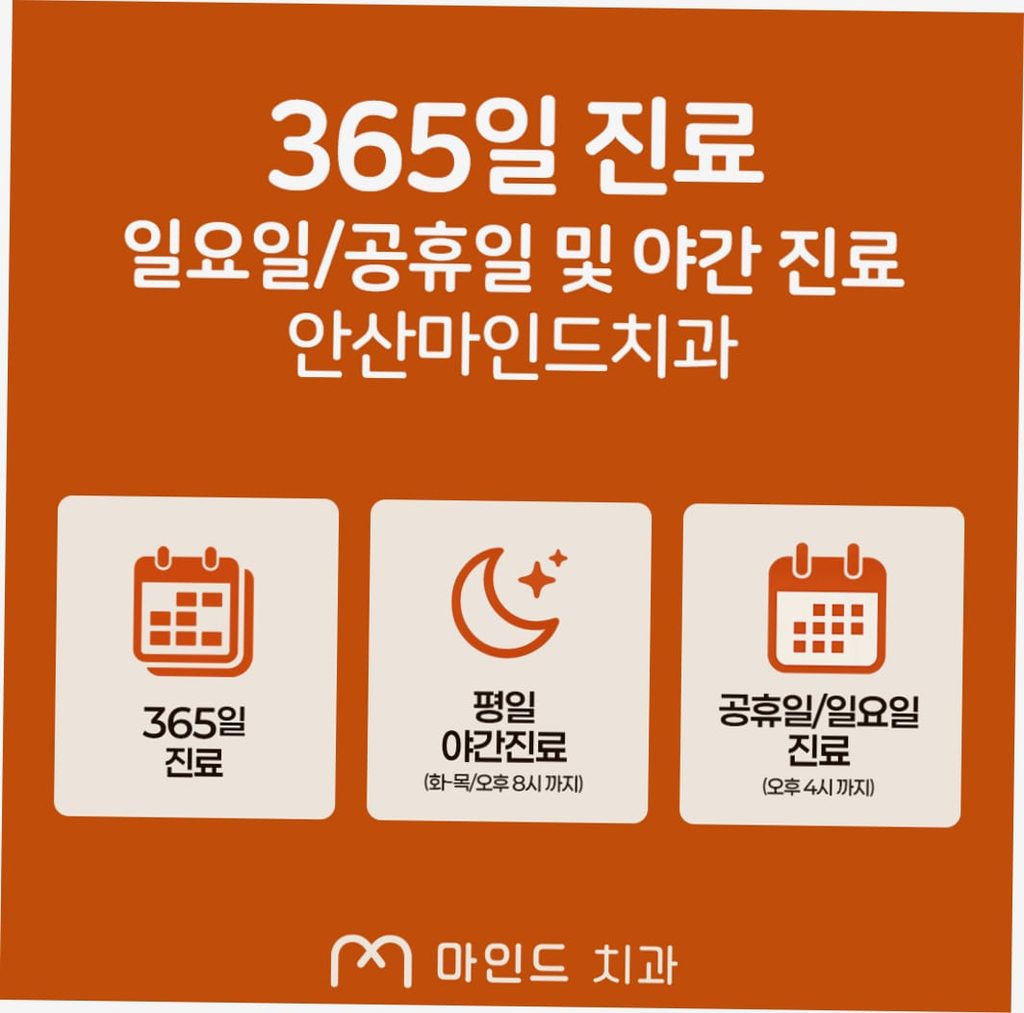
Mon – Thu: 10:00 AM – 8:00 PM
Fri: 10:00 AM – 6:00 PM
Public Holidays: 10:00 AM – 4:00 PM