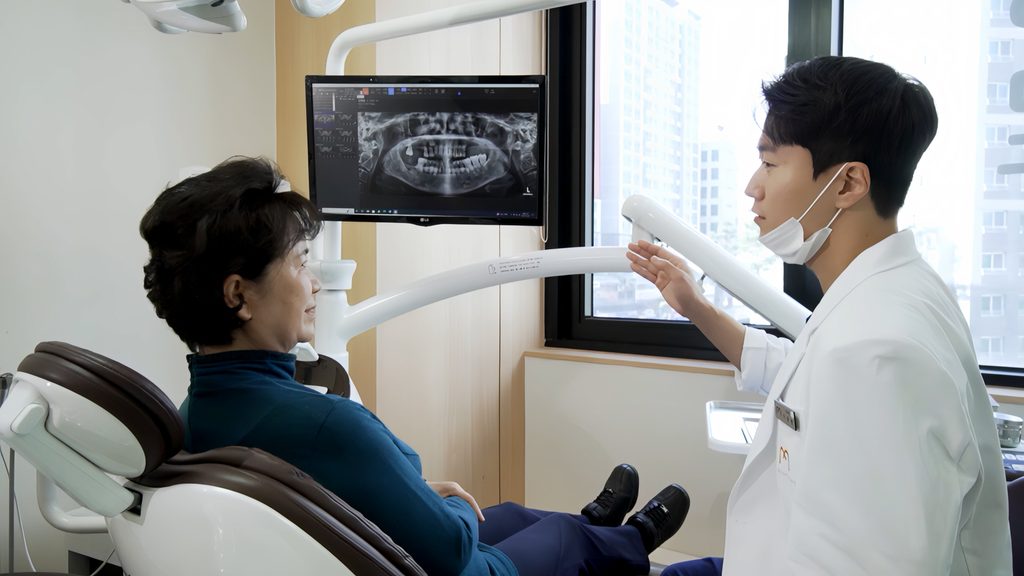
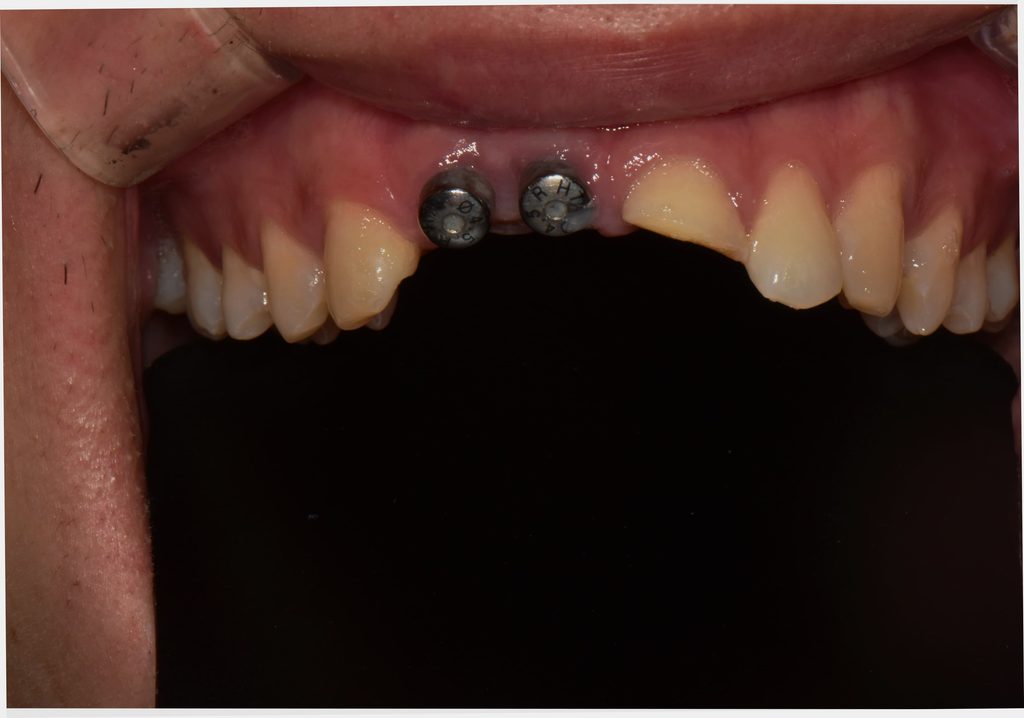
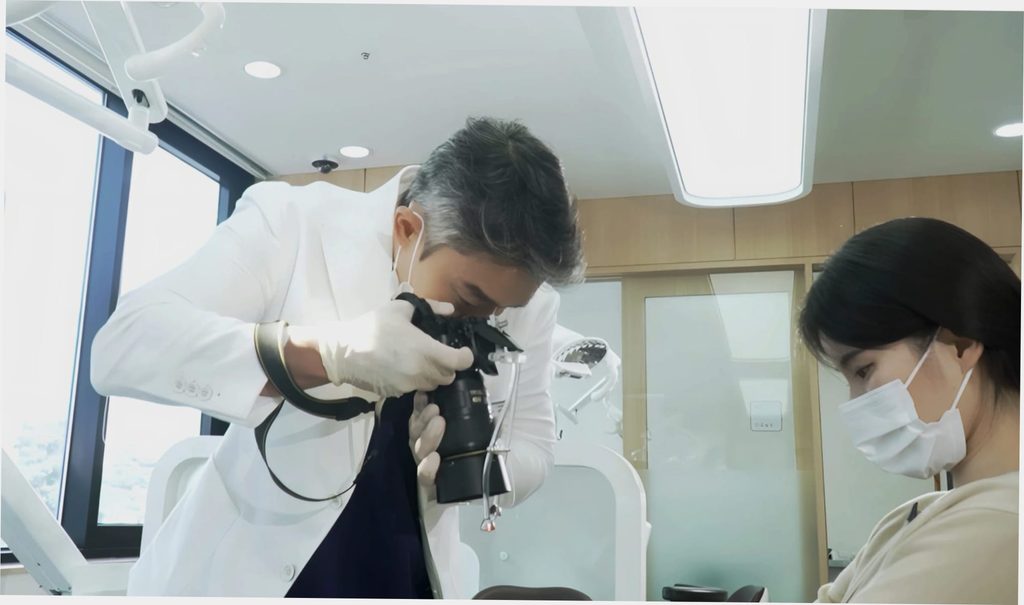
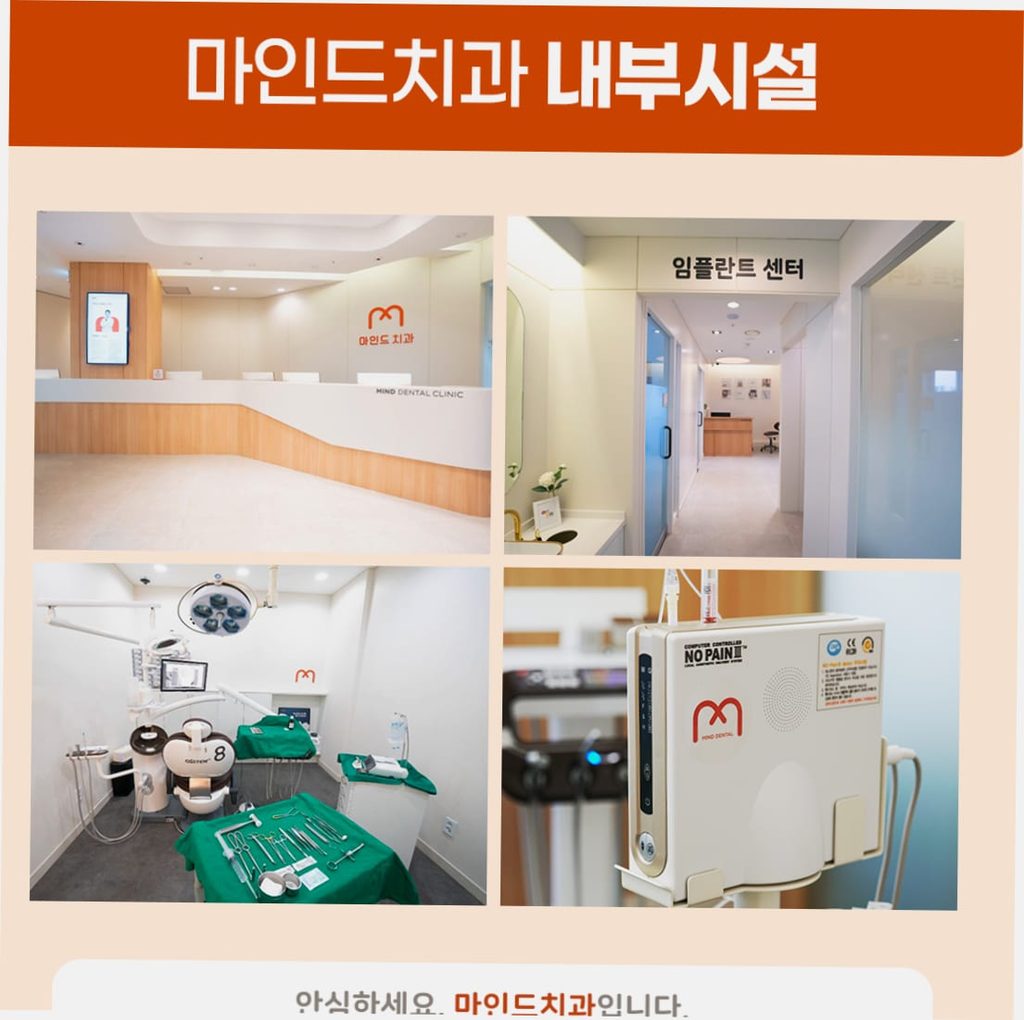
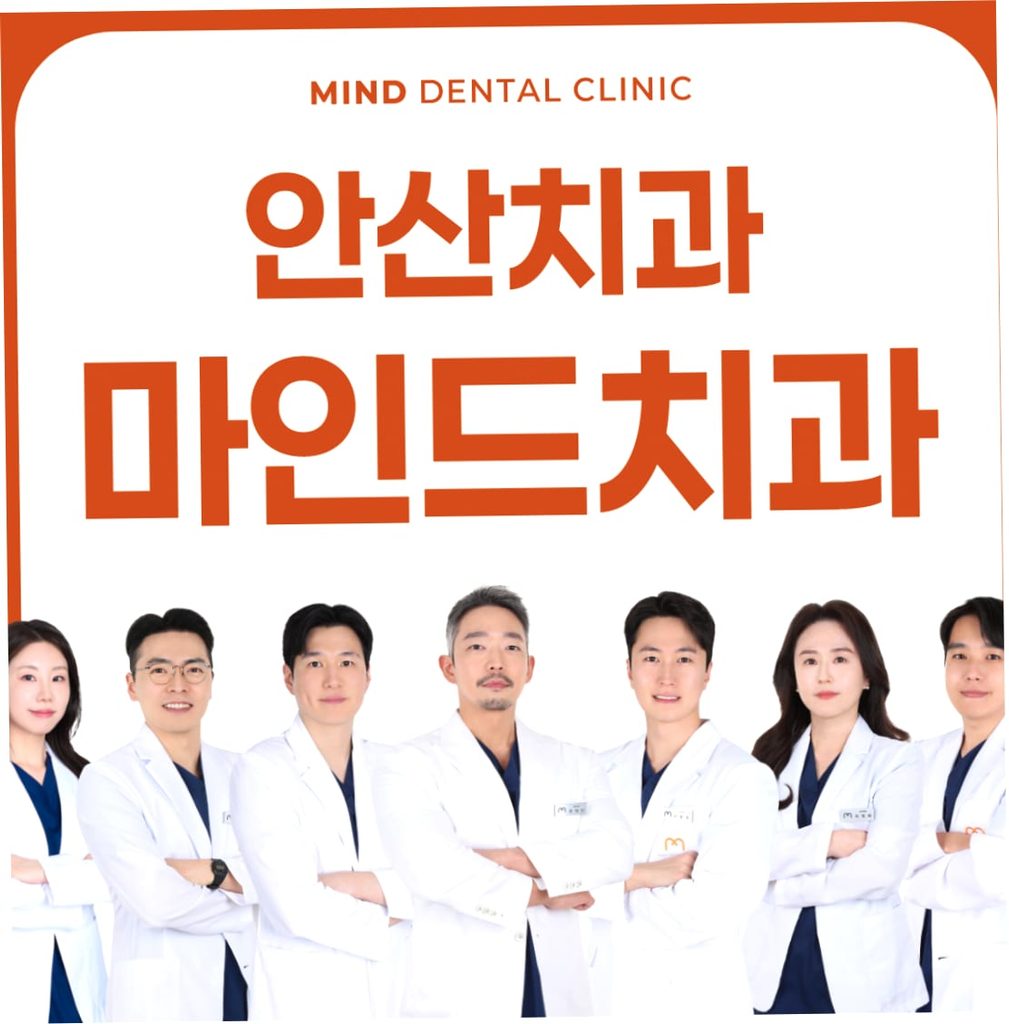
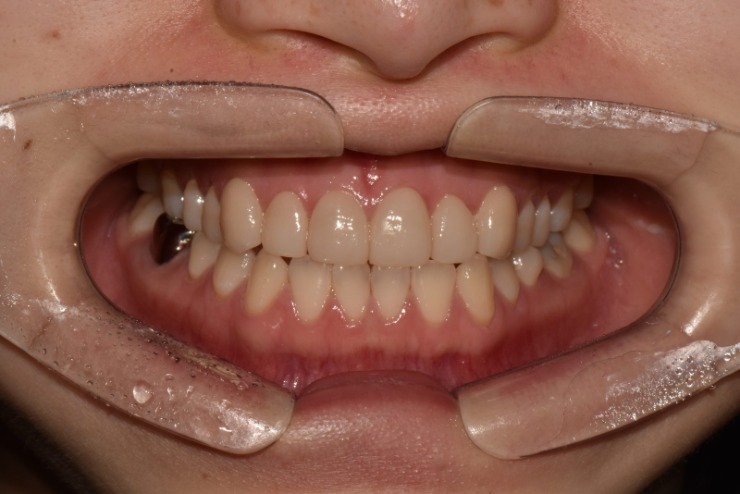
Have you noticed a chip or a clear fracture in your tooth and wondered what to do next? As the director of Ansan Mind Dental Clinic, I will explain the assessment and treatment approach for a broken tooth so you can make an informed decision.
How do we evaluate a broken tooth?
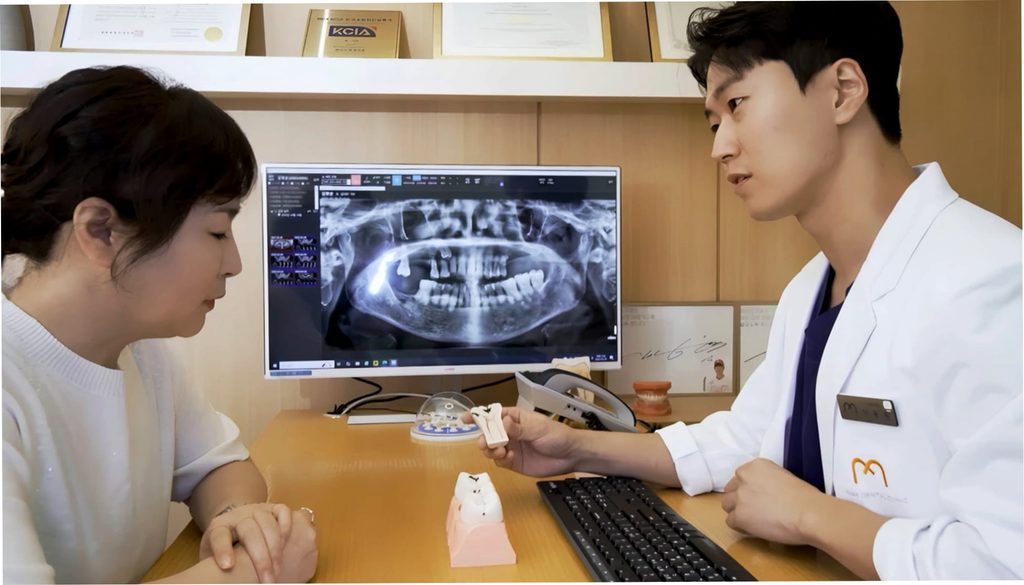
When planning broken tooth treatment, we do not rely on visual inspection alone. A thorough evaluation includes:
Fracture location: enamel-only or extending into dentin
Depth: any involvement of the pulp (nerve) or fractures below the gum line
Remaining tooth structure: thickness and shape of the remaining walls
Functional position: front tooth versus molar (chewing load)
Symptoms: pain, sensitivity, altered sensation
This clinical assessment, often supported by radiographs, guides whether a conservative restoration or a prosthetic solution is appropriate.
안산마인드치과
What treatment options are available?
Treatment is selected based on the amount of remaining tooth and the fracture pattern:
Resin restoration (composite): used for small edge chipping or limited damage to preserve tooth tissue.
Inlay / Onlay: indirect restorations that reinforce a larger defect while keeping more natural tooth than a full crown.
Crown (full-coverage restoration): considered when a wide fracture or weakened structure requires more protection.
These prosthetic restoration choices are weighed against patient-specific factors such as bite forces, esthetic needs, and oral hygiene.
Do teeth that had root canal treatment always need a crown?
Not always. Teeth that underwent root canal therapy often have reduced tooth substance and may be at higher risk of re-fracture, especially posterior teeth subjected to strong chewing forces. However, the decision to place a crown depends on:
Tooth location (front vs. back)
Amount of remaining tooth structure
Occlusion and functional load
We evaluate each case individually rather than applying a blanket rule.
안산마인드치과
Typical treatment process
Clinical exam and radiographs to determine fracture depth and root condition
Clean and prepare the damaged area; decide if root canal treatment is required
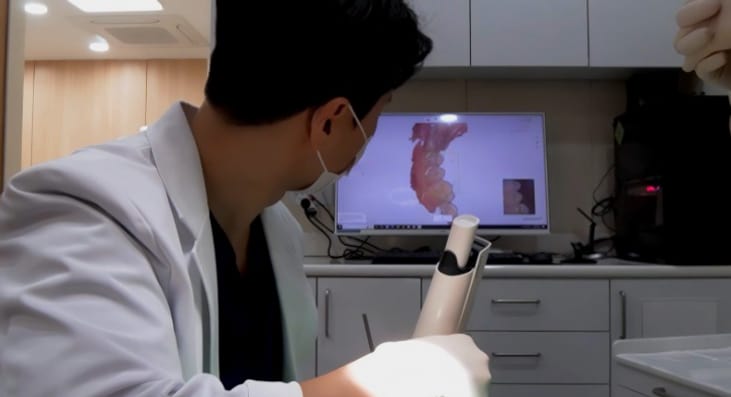
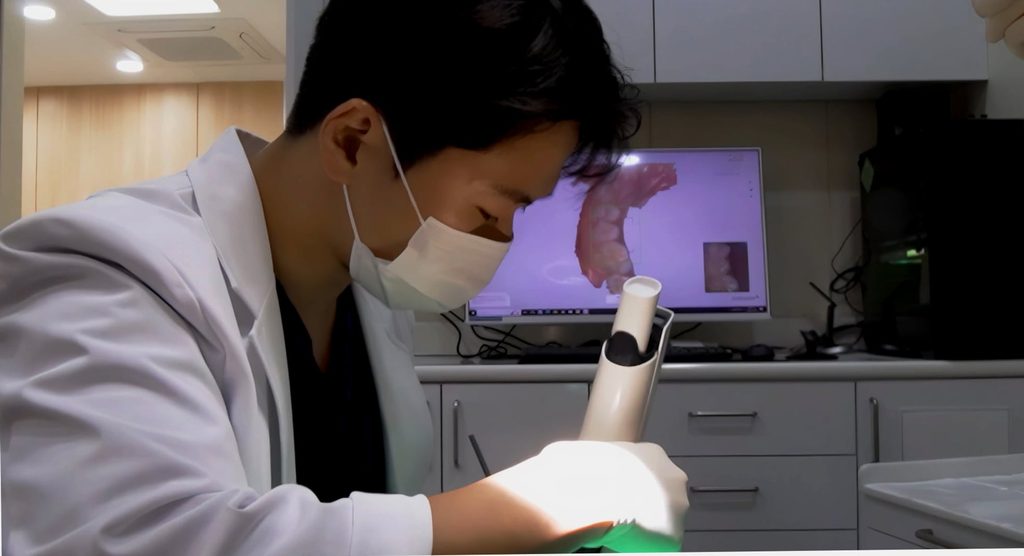
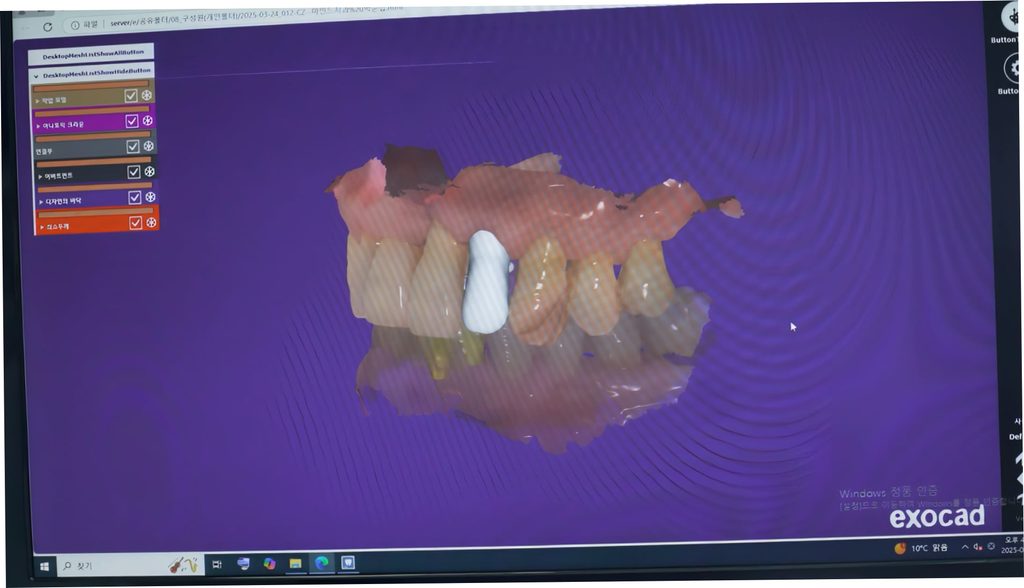
Take impressions or intraoral scans for indirect restorations if needed
Place a provisional restoration when appropriate, then fit and cement the final restoration
For anterior teeth we pay close attention to shade and shape; for molars we prioritize occlusal function.
How can you help your restoration last longer?
Meticulous brushing at restoration margins and daily flossing to prevent secondary decay
Avoid habitual chewing of very hard items (ice, hard candy, dried snacks)
If you grind or clench, consider a night guard to reduce fracture risk
Regular dental check-ups to monitor the restoration and surrounding tissues
Broken tooth treatment starts with an accurate assessment of the fracture and the amount of remaining tooth. Small fractures can often be treated conservatively with composite restorations, while larger defects may need inlays, onlays, or crowns to protect the tooth. The best long-term outcome combines a treatment chosen for the current tooth condition and consistent maintenance.
안산마인드치과안산마인드치과
Mind Dental Clinic Information
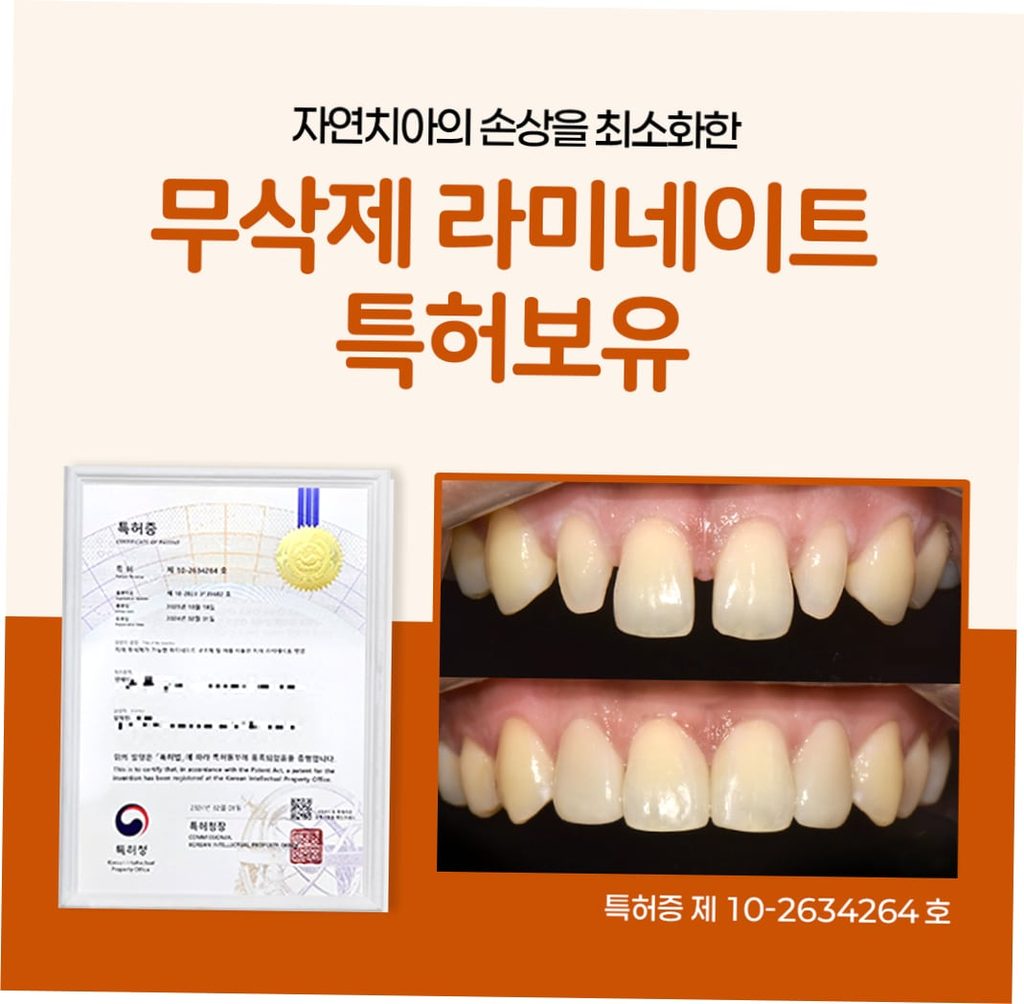
Mind Dental Clinic, located in Ansan, provides advanced dental treatments including dental implants and no-prep veneers.
Before starting any procedure, patients can receive a comprehensive evaluation of their current oral condition along with a clear explanation of the recommended treatment plan.
Location
4th Floor, Central Tower, 72 Gojan-ro, Danwon-gu, Ansan, South Korea
Are you noticing a persistent foreign sensation when you chew after getting a crown? It’s not uncommon to feel something unusual initially, but distinguishing between normal adaptation and a structural issue is important. As the clinician at Ansan Mind Dental, I will walk you through the practical checks and typical causes I evaluate in the clinic.
Why a crown may feel strange at first
After a new crown is placed, your tongue, cheek, and opposing teeth need time to adapt to the prosthetic’s shape and height. Common descriptions I hear from patients include:
“It feels like food is getting stuck.”
“The biting surface feels unfamiliar.”
“One tooth seems to touch before the others.”
These sensations often diminish within a few days as you adapt. However, if the feeling persists, recurs, or is accompanied by pain, bleeding, or frequent food impaction, further evaluation is needed.
안산마인드치과
Main causes and clinical checkpoints
I routinely assess these four areas when patients report a foreign body sensation after crown placement:
Occlusion (bite height and contact points): Even very small differences in height can make one area contact earlier than others.
Interproximal contact: I use floss to check whether contacts are too tight or too loose.
Gingival margin and soft tissue response: The tissues around the crown may be inflamed or still healing from the procedure.
Tooth sensitivity and pulpal reaction: Temperature or pressure sensitivity can indicate irritation of the tooth or nerve.
What I look for during the exam
Marking the contacts with articulating paper to see where and how strongly the crown contacts opposing teeth.
Passing dental floss to evaluate the interproximal contact quality.
Inspecting the gum around the crown for redness, swelling, or bleeding.
Asking about when the discomfort occurs and which foods trigger it.
안산마인드치과
How important is occlusal balance?
Occlusion plays a central role in how a crown feels during chewing. A slight high spot can change the chewing pattern, especially in patients who clench, grind, or have significant wear on the opposing teeth. To determine whether an occlusal correction is required, I observe functional bites and use articulating paper. If necessary, small selective adjustments can often restore a comfortable chewing pattern.
When should you return to the clinic?
You should schedule a recheck if any of the following happen:
The foreign body sensation remains focused on the same area for several days.
Pain, aching, or sharp sensitivity develops.
Floss consistently catches or food repeatedly becomes trapped around the crown.
The gum shows swelling, bleeding, or persistent pressure marks.
At the visit, we will perform targeted tests (occlusal markings, floss check, soft tissue inspection) and review your symptoms to decide whether a simple adjustment or further intervention is needed.
안산마인드치과
Home self-checks and short-term care
Initial home management aims to minimize irritation while monitoring progress:
Avoid very tough or extremely hard foods for the first few days.
Practice balanced chewing, using both sides when possible.
Use dental floss gently to assess interproximal contact without forcing it.
Record photos or notes about when the discomfort occurs and bring them to your appointment if symptoms don’t improve.
A foreign body sensation after a crown often reflects a normal adaptation process, but persistent or worsening symptoms—especially when accompanied by pain, food impaction, or gum irritation—warrant clinical reassessment. In the clinic we check occlusion, interproximal contact, and soft tissue response; many cases are resolved with minor adjustments. If your discomfort continues beyond a few days, please schedule an evaluation for an accurate diagnosis and tailored management.
안산마인드치과안산마인드치과
Mind Dental Clinic Information
Mind Dental Clinic, located in Ansan, provides advanced dental treatments including dental implants and no-prep veneers.
Before starting any procedure, patients can receive a comprehensive evaluation of their current oral condition along with a clear explanation of the recommended treatment plan.
Location
4th Floor, Central Tower, 72 Gojan-ro, Danwon-gu, Ansan, South Korea
Have you wondered why dental veneers are frequently listed as non-covered treatment? As the director of Ansan Mind Dental Clinic, I explain the practical reasons insurance often excludes veneers and what to review during consultation so you can make an informed decision.
Why is veneer insurance often not applicable?
Veneers are primarily used to improve the appearance of the front teeth—color, shape, and proportion—so they are usually considered esthetic rather than restorative. Public health insurance prioritizes treatments that address disease, injury, or functional impairment, which is why veneer insurance coverage is limited.
Insurance focus: disease treatment, damage repair, and functional recovery
Result: veneer insurance coverage is often restricted and many cases are billed as out-of-pocket
안산마인드치과
How do insurers distinguish veneers from other prosthetic treatments?
Although veneers are a prosthetic solution using restorative materials, not all prosthetic procedures meet the same coverage criteria. Insurers assess the purpose of treatment, the extent of tooth damage, and whether the procedure restores function.
Crowns: more likely considered for coverage when broad structural damage requires functional restoration
Composite fillings: may be covered if they restore tooth function after decay removal
Veneers: often judged as esthetic surface restorations, so veneer insurance is frequently limited
What should we evaluate together during a consultation?
When we consult about veneers, confirming insurance status is one part of the process. The primary focus should be a thorough clinical assessment to determine the most appropriate, conservative option.
Tooth color: Is discoloration related to disease or stain that whitening can address?
Tooth shape: Are proportions (length, width) the main concern?
Tooth alignment: Can mild spacing or misalignment be corrected with orthodontics instead?
Degree of damage: Is there fracture or wear requiring functional restoration?
Gum health and occlusion: Do these factors affect veneer longevity?
Careful consideration of required tooth reduction and the possibility of more conservative treatments is essential before recommending veneers.
What does the veneer process and aftercare involve?
A typical veneer workflow includes diagnosis, photographic records and occlusal checks, tooth preparation as needed, impressions or digital scanning, lab fabrication, and final bonding. Specific steps vary with individual oral conditions and material choices.
Alternatives to compare first: composite bonding, whitening, or orthodontic options
Provisionals: temporary veneers can help preview shape and esthetics before final bonding
Maintenance: avoid biting hard objects with front teeth; manage bruxism or clenching if present
Post-treatment, we may recommend night guards or periodic checks depending on materials and bonding quality.
안산마인드치과
How should cost influence your decision?
Because veneer insurance is limited, cost is often a significant concern. However, choosing solely on price can lead to a treatment that is not optimal for your dental condition. Costs vary by material, number of teeth treated, amount of tooth preparation, and bonding complexity.
Questions to ask during consultation:
Why is this treatment necessary for my teeth?
Are there less invasive alternatives that would be suitable?
How much tooth reduction will be required?
At Ansan Mind Dental Clinic we evaluate your case with examinations and imaging to decide whether veneers are appropriate or if another option is preferable.
Veneers are commonly classified as esthetic anterior treatments, which limits veneer insurance coverage. Whether insurance applies depends on treatment purpose, the extent of tooth damage, and the need for functional restoration. Rather than deciding based only on cost or coverage, discuss your specific dental condition and alternatives with a clinician to determine the safest and most appropriate plan.
안산마인드치과안산마인드치과
Mind Dental Clinic Information
Mind Dental Clinic, located in Ansan, provides advanced dental treatments including dental implants and no-prep veneers.
Before starting any procedure, patients can receive a comprehensive evaluation of their current oral condition along with a clear explanation of the recommended treatment plan.
Location
4th Floor, Central Tower, 72 Gojan-ro, Danwon-gu, Ansan, South Korea
As the clinic director, I often meet patients who ask whether a single whitening session will solve their concerns or if more complex work is required. Esthetic dental treatment cost depends on what you want to change and what your teeth need, so it is important to review diagnosis and treatment steps rather than compare prices alone.
What determines esthetic dental treatment cost?
Several key elements influence esthetic dental treatment cost. Even when the concern appears to be simply ‘tooth color,’ the underlying condition—and the resulting treatment plan—can be quite different.
Treatment scope: single tooth vs. multiple teeth visible when smiling.
Treatment method: bleaching, direct resin, laminate veneers, full ceramic crowns.
Materials and laboratory work: type of ceramic, fabrication method, and fit.
Preliminary diagnosis: photographs, X-rays, intraoral scans, and occlusion analysis.
Additional procedures: replacement of old restorations, root canal retreatment, or gum treatment.
Clinical examples
If discoloration is limited to shade and the tooth structure is healthy, a whitening-centered approach can be discussed.
If there is wear, fracture, or mismatched existing restorations, options may include direct resin restorations, veneers, or ceramic crowns—each with different preparation needs, laboratory processes, and maintenance implications.
‘What should you prepare before an esthetic dental consultation?
Preparing specific information helps the consultation be efficient and realistic. Rather than saying “I want to look nicer,” try to describe the problem clearly:
Is the main issue color, shape, length, or alignment?
Do you have prior treatments on the concerned teeth (fillings, crowns, root canal)?
Do you clench or grind your teeth, smoke, or have other habits that affect dental materials?
Are there gum concerns such as bleeding, swelling, or sensitivity?
Sharing these details at your esthetic dental consultation helps us choose appropriate materials and predict maintenance needs.
How is the treatment planned and performed?
Esthetic treatments often follow a staged approach rather than starting with immediate intervention. For visible front teeth, small differences in shade and length are noticeable, so interim checks matter.
Initial consultation: review concerns and set realistic goals.
Diagnostic workup: exam, photos, radiographs, and digital scans to evaluate function as well as appearance.
Treatment planning: select method, materials, and determine whether preparatory care (gum treatment, caries control) is needed.
Definitive treatment: bleaching, composite bonding, veneers, or crowns with periodic adjustments as needed.
Maintenance: follow-up visits and habit counseling to prolong results.
Practical points
Some plans require temporary restorations or lab fabrication, which adds to the timeline and cost.
The amount of tooth preparation affects both longevity and price.
Does aftercare influence cost?
Yes. Post-treatment behavior and maintenance can affect how long restorations look and function. Poor maintenance may lead to staining, wear, or chipping that requires additional adjustments or repairs.
After whitening: avoid strong staining foods and smoking for a recommended period.
With veneers or ceramic crowns: avoid biting very hard objects and discuss night guards if you grind your teeth.
Regular professional checks can identify minor issues before they become larger, more costly problems.
When evaluating esthetic dental treatment cost, look beyond a single price. Ask what diagnostic steps, materials, laboratory work, adjustments, and follow-up care are included. A lower initial fee may omit essential tests or fabrication steps; a higher quote may cover more comprehensive diagnosis and finishing work. During your esthetic dental consultation, explain the specific changes you want and your dental history so we can tailor a plan that balances appearance, function, and longevity.
Mind Dental Clinic Information
Mind Dental Clinic, located in Ansan, provides advanced dental treatments including dental implants and no-prep veneers.
Before starting any procedure, patients can receive a comprehensive evaluation of their current oral condition along with a clear explanation of the recommended treatment plan.
Location
4th Floor, Central Tower, 72 Gojan-ro, Danwon-gu, Ansan, South Korea
Deciding on an implant clinic can feel overwhelming the first time.
Rather than focusing only on price or treatment length, it’s more important to confirm whether the clinic provides thorough diagnostic tests, clear treatment planning, and a structured follow-up system. For those searching for an Ansan Gojan-dong dental implant, a calm, step-by-step explanation from the clinician helps you understand why a particular plan is recommended.
Why precise diagnosis matters for implants
An implant is an artificial root placed into the jawbone and later restored with a crown. Because the procedure involves bone, surrounding teeth, and bite relationships, a precise diagnosis is essential. A complete assessment should include gum and bone condition, occlusion (how your teeth meet), and any systemic health factors that could affect healing.
Key checks during assessment:
Oral examination and periodontal evaluation
Radiographs or 3D imaging when indicated
Review of medical history, medications, and habits such as smoking
What the diagnostic findings determine
The results of the precision exam influence the implant position, need for bone grafting, timing of implant placement, and the design of the final prosthesis. This diagnostic phase is what makes a treatment predictable and tailored to the patient rather than a one-size-fits-all approach.
What to listen for during consultation
When you visit a clinic for an Ansan Gojan-dong dental implant consultation, observe whether the clinician explains the rationale behind the proposed steps. Instead of accepting “it’s possible,” a helpful consultation should cover:
Whether the existing tooth can be preserved or must be extracted
If bone grafting or sinus lift is likely required
Timing: immediate versus delayed implant placement
The staged flow from surgery to provisional and final prosthesis
Ask about expected recovery, likely pain and swelling, dietary guidance after surgery, and the schedule of follow-up visits so you can plan realistically.
Practical questions to ask the dentist
Patients often benefit from bringing a short list of questions to their consultation. Examples include:
Is extraction absolutely necessary, or can the tooth be treated and maintained?
If bone is insufficient, what grafting options are available and why?
How long will the entire process take from implant placement to final crown?
What daily care and professional maintenance will the implant require?
These questions help you compare clinics based on the depth of explanation rather than advertising messages.
How aftercare affects long-term results
Implant treatment continues beyond the surgery: maintenance is crucial. Verify that the clinic offers a clear aftercare plan that includes:
Regular check-ups and recommended intervals for radiographic follow-up
Guidance on oral hygiene techniques around implants (brush, interdental brushes, floss)
Monitoring for signs of peri-implant inflammation and timely management
Good aftercare reduces the risk of complications and supports the longevity of the restoration.
Why the treatment sequence should be clear
A thorough treatment plan explains the sequence and alternatives: extraction first or immediate implant, whether temporary teeth will be used, and how multiple missing teeth will be managed with occlusal planning in mind. Understanding the sequence helps set realistic expectations and reduces anxiety about the process.
Elements that should be addressed in the plan:
Need for preliminary periodontal treatment
Bone grafting or sinus augmentation when required
Timing for implant placement and loading
Design and material of the final prosthesis
When researching an Ansan Gojan-dong dental implant, focus on the clinic’s diagnostic thoroughness, clarity of the treatment plan, and structured follow-up rather than price alone. A consultation that explains why each step is necessary and how aftercare will be managed is more useful than any slogan. Because individual bone conditions, systemic health, and tooth relationships differ, the final plan should be determined after clinical examination and appropriate imaging.
Mind Dental Clinic Information
Mind Dental Clinic, located in Ansan, provides advanced dental treatments including dental implants and no-prep veneers.
Before starting any procedure, patients can receive a comprehensive evaluation of their current oral condition along with a clear explanation of the recommended treatment plan.
Location
4th Floor, Central Tower, 72 Gojan-ro, Danwon-gu, Ansan, South Korea
As the clinic director at Ansan Mind Dental Clinic
I often hear patients ask whether a persistent odd sensation when chewing after crown placement is normal. Short-term unfamiliarity is common, but knowing when to seek a check-up helps prevent longer-term problems.
Why a crown can feel strange when you chew
New prosthetic restorations change the shape and thickness of a tooth. The tongue and opposing teeth may detect those differences more sensitively than you expect. Typical early causes include:
Slight changes in crown height or contact points
Gum adaptation around the new margin
Temporary differences in how the restored tooth meets the opposing tooth
These factors often cause brief discomfort or a feeling that one tooth hits first. In many cases this resolves within a few days to one to two weeks as you adapt.
When should you be concerned and visit us?
If the odd feeling does not improve, or other symptoms appear, a clinical review is recommended. Consider returning when you notice any of the following:
The sensation persists beyond two weeks or becomes worse
A single spot seems to contact first when biting
Sharp or electric-shock–like pain, or sensitivity to cold
Food frequently traps near the crown or floss passes too loosely
Gum swelling, repeated bleeding, or increasing soreness
These signs can indicate issues that may require occlusion adjustment or evaluation of the prosthesis.
What may be causing ongoing crown discomfort Common explanations we assess during follow-up include:
Occlusal discrepancy (small height or contact-point differences)
Improper contact points causing food impaction
Pulp sensitivity after preparation or cementation
Gingival irritation around the crown margin
Assessment typically involves bite checks, visual inspection of the prosthesis and surrounding gums, and radiographs if pulp involvement is suspected.
Typical evaluation steps
Review of symptoms: when it started, what foods trigger it, and direction of chewing
Clinical occlusion check with articulating paper
Inspection of crown margins and contact points
Radiographic imaging if needed
What to expect about the prosthetic process and costs A standard crown treatment pathway includes tooth reduction, impression or digital scan, temporary crown, final crown placement, and occlusal verification. Costs vary depending on:
Crown material (affecting aesthetics and strength)
Tooth location and remaining tooth structure
Need for root canal treatment or core buildup
Gum condition and any additional adjustments required
Understanding the diagnostic basis for the plan is as important as comparing fees.
A new crown can cause temporary unfamiliar sensations while your mouth adapts. However, persistent symptoms—such as prolonged sensitivity, a feeling of one point contacting first, food trapping, or gum problems—warrant a clinical check. At Ansan Mind Dental Clinic we evaluate the pattern of your discomfort to determine whether simple adaptation is likely or if occlusion adjustment or prosthesis review is needed.
Mind Dental Clinic Information
Mind Dental Clinic, located in Ansan, provides advanced dental treatments including dental implants and no-prep veneers.
Before starting any procedure, patients can receive a comprehensive evaluation of their current oral condition along with a clear explanation of the recommended treatment plan.
Location
4th Floor, Central Tower, 72 Gojan-ro, Danwon-gu, Ansan, South Korea
Many patients ask whether aesthetic dental procedures can be covered by insurance.
In practice, purely cosmetic treatments are usually uninsured, while procedures aimed at restoring function—such as treating extensive caries or repairing fractured teeth—may be evaluated for coverage. When you search for Ansan Gojan-dong aesthetic dental treatment, the determining factors are the diagnosis, treatment purpose, materials used, and extent of damage, not the label “cosmetic” alone.
When can cosmetic dental care be considered for insurance?
Insurance consideration focuses on whether the procedure is intended to restore oral health and function rather than only improve appearance. Examples:
Likely uninsured: elective procedures to change tooth color or shape for purely esthetic reasons (for example, some veneers and cosmetic crowns).
Possibly eligible: treatments for large cavities, fractured teeth that impair chewing, or replacements where disease or damage is present.
Even when a front-tooth restoration looks similar, coverage depends on the clinical reason and specific insurance criteria. If you are seeking Ansan Gojan-dong aesthetic dental treatment, expect an assessment of functional need rather than an automatic approval based on appearance.
How do insurers evaluate dental treatments?
Insurers review the clinical diagnosis, extent of disease or damage, and chosen procedure. Common evaluation points include:
Whether the main goal is function recovery (pain relief, chewing) or esthetic improvement.
Depth and size of caries and the required removal of tooth structure.
Amount of remaining tooth substance after a fracture and whether pulp involvement is present.
Whether a prosthesis is needed due to disease-related loss versus elective replacement.
This means that even within the same tooth area, two treatments can be classified differently depending on these details.
Do diagnostic reports or medical notes make coverage more likely?
A diagnostic report or medical opinion documents the current condition and treatment rationale, but it does not automatically convert an uninsured esthetic procedure into an insured one. These documents are useful for:
Claiming reimbursement from private insurance (e.g., indemnity plans).
Submitting to employers or institutions that require clinical justification.
However, public health insurance decisions follow predefined benefit rules and are based on the treatment code and clinical indication rather than the presence of a letter alone.
Typical documents and roles
Diagnostic certificate: records the diagnosis and current condition—informative, not decisive for coverage.
Clinical opinion: explains treatment necessity—useful for submissions but not a guarantee.
Detailed billing statement and radiographs: often required for reimbursement claims and for insurer review.
How can you manage costs for aesthetic dental care?
Reducing cost is not about choosing the cheapest option but prioritizing treatment by clinical need. Practical steps:
Separate urgent functional treatment from elective esthetic improvements.
Treat cavities and small fractures early to avoid larger restorations later.
Discuss material options and which elements are refundable under insurance versus out-of-pocket.
Ask whether staged treatment is feasible so necessary function-restoring steps are done first and cosmetic choices later.
When considering Ansan Gojan-dong aesthetic dental treatment, compare treatment plans and the reasons for material selection rather than only price lists.
Questions to prepare before your consultation
Preparing focused questions helps the clinical team assess insurance possibilities and plan effectively. Consider asking:
Is my treatment primarily for function recovery or esthetic improvement?
Which parts of the proposed treatment could be reviewed for insurance coverage?
What are the material options (composite, crown, veneer) and associated cost differences?
Would a diagnostic certificate or clinical opinion be helpful for my insurance claim, and what format is required?
Can treatment be divided into urgent and elective phases?
Insurance approval for cosmetic dental care depends on clinical necessity and treatment coding rather than the procedure name. For Ansan Gojan-dong aesthetic dental treatment inquiries, focus first on why treatment is needed: caries, fracture, or purely esthetic concerns. Diagnostic documents help explain the condition but do not automatically change coverage decisions. Discussing priorities, material choices, and staged treatment options with your dentist will give a clearer picture of potential insurance support and out-of-pocket costs.
Mind Dental Clinic Information
Mind Dental Clinic, located in Ansan, provides advanced dental treatments including dental implants and no-prep veneers.
Before starting any procedure, patients can receive a comprehensive evaluation of their current oral condition along with a clear explanation of the recommended treatment plan.
Location
4th Floor, Central Tower, 72 Gojan-ro, Danwon-gu, Ansan, South Korea
If you are about to have your first root canal treatment, one of the biggest concerns is usually pain.
During consultations, patients often ask, “Does a root canal hurt a lot?”, “Will anesthesia make it more comfortable?”, or “Is throbbing pain after treatment normal?”
The short answer is that the level of discomfort varies depending on the severity of inflammation, how the tooth responds to local anesthesia, and the location of the tooth.
Not every root canal treatment involves severe pain from beginning to end.
In fact, some patients who were already experiencing intense toothache, especially at night, may notice that their original pain gradually decreases after infected or inflamed tissue inside the tooth is removed.
Rather than focusing only on whether root canal treatment hurts, it is more useful to understand the current condition of the tooth, how the procedure is performed, and which symptoms require additional evaluation.
When Is Root Canal Treatment Needed?
Root canal treatment may be considered when the pulp tissue inside a tooth becomes infected or damaged because of deep decay, a cracked tooth, trauma, or problems around an old filling or restoration.
While a regular filling mainly removes decay and restores the damaged area, root canal treatment involves cleaning infected tissue inside the tooth, disinfecting the root canals, and sealing them.
Certain symptoms may indicate that the dental pulp or tissues around the root need to be examined.
Common Symptom
What We Evaluate
Throbbing pain at night
Duration and intensity of pain
Lingering pain after hot or cold drinks
How long the pain continues after the stimulus is removed
Pain when chewing
Possible cracks or inflammation around the root
Swollen gums or drainage
Signs of infection around the root
Symptoms alone, however, do not automatically mean that root canal treatment is necessary.
A dental examination and, when needed, X-rays are used to evaluate the tooth and surrounding structures before deciding on treatment.
Does Root Canal Treatment Hurt the First Time?
A typical root canal procedure begins with an examination and diagnostic imaging when necessary.
Local anesthesia is then administered before the dentist accesses the inside of the tooth, removes infected tissue, cleans and disinfects the root canals, and places a temporary or final seal depending on the treatment stage.
Local anesthesia is commonly used to reduce pain during the procedure.
However, if a tooth already has severe acute inflammation and is extremely sensitive even to light pressure, the response to anesthesia may vary.
In such situations, additional anesthesia or adjustments to the pace of treatment may be needed.
Even when the area is properly numb, you may still notice sensations such as:
mild pressure
vibration from dental instruments
water or suction
fatigue from keeping your mouth open
These sensations are different from sharp pain.
If you experience persistent or sharp pain during treatment, it is better to let your dentist know rather than trying to tolerate it.
Does Anesthesia Reduce Root Canal Pain?
Local anesthesia plays an important role in controlling discomfort during root canal treatment.
However, anesthesia does not always eliminate every sensation.
Pressure, vibration, or movement may still be noticeable even when sharp pain has been reduced.
Situation
What You May Feel
When to Tell Your Dentist
During treatment
Pressure or vibration
Persistent sharp pain
Shortly after treatment
Mild soreness or heaviness
Pain that becomes progressively worse
When chewing
Temporary sensitivity
Difficulty chewing on the treated side
Around the gums
Usually no major changes
Swelling, drainage, or facial swelling
Before treatment, it can be helpful to describe your symptoms in detail.
For example, tell your dentist when the pain started, whether it gets worse at night, whether hot or cold foods trigger pain, and whether chewing causes discomfort.
These details can help the dentist better understand the condition of the tooth.
How Many Visits Does a Root Canal Take?
There is no single number of visits that applies to every patient.
The treatment schedule depends on the location of the tooth, the number and shape of the root canals, the extent of infection, and whether the tooth has previously undergone root canal treatment.
Front teeth often have a relatively simpler root canal anatomy, while molars may contain several canals with more complex shapes.
If there is significant inflammation around the root, drainage, or persistent infection, the dentist may place medication inside the tooth and evaluate the response before completing the next stage.
For this reason, it is usually more important to properly clean and control the infection than to focus on completing treatment in a fixed number of appointments.
Is Throbbing Pain After a Root Canal Normal?
Some patients experience mild soreness, tenderness, or a heavy feeling for a short period after root canal treatment.
The tissues surrounding the root may become temporarily irritated during cleaning and disinfection.
What matters most is whether the discomfort is improving or getting worse.
Mild symptoms that gradually decrease can often be monitored.
However, additional evaluation may be recommended if you experience:
worsening pain
severe pain that interrupts sleep
swollen gums
drainage or pus
facial swelling
increasing difficulty chewing
Sometimes the temporary filling may also feel slightly high, causing the treated tooth to make contact first when you bite.
This can increase chewing discomfort and may require a bite adjustment.
What Should You Keep in Mind During Treatment?
If root canal treatment is completed over multiple appointments, a temporary filling may be placed between visits.
During this period, it is best to avoid chewing very hard or sticky foods on the treated tooth.
You should also avoid eating until the numbness has worn off sufficiently, because it is possible to bite your lip, cheek, or tongue without realizing it.
If the temporary filling comes out, the tooth feels cracked, or pain suddenly becomes worse after initially improving, contact your dental clinic rather than waiting until your next scheduled visit.
After root canal treatment is completed, some teeth may require a crown or another type of restoration.
This decision depends on factors such as the amount of remaining tooth structure, the location
of the tooth, and the amount of chewing force it receives.
First Root Canal Treatment? Focus on Your Tooth Condition, Not Just the Pain
It is understandable to feel nervous before your first root canal treatment.
However, hearing that someone else had a painful or completely painless experience does not necessarily predict what your own treatment will feel like.
The depth of decay, severity of inflammation, tooth anatomy, and response to anesthesia can all make a difference.
If you are considering root canal treatment in Ansan, it can be helpful to remember when your symptoms began and whether you have:
pain at night
sensitivity to hot or cold
pain when chewing
gum swelling
spontaneous throbbing pain
At Mind Dental Clinic, these symptoms are reviewed together with the clinical examination and any necessary dental X-rays before determining the appropriate treatment approach.
Because every tooth is different, the exact treatment process, number of visits, and post-treatment response may vary from patient to patient.
Frequently Asked Questions
Does a root canal hurt more than a regular filling?
It depends on the condition of the tooth. Teeth that need root canal treatment may already have significant inflammation, but local anesthesia is generally used to manage pain during the procedure.
Does throbbing after a root canal mean the treatment failed?
Not necessarily. Mild soreness or chewing sensitivity may occur temporarily. However, worsening pain, swelling, or drainage should be evaluated.
Does every root canal-treated tooth need a crown?
Not always. The need for a crown depends on the amount of remaining tooth structure, the location of the tooth, and the chewing forces placed on it.
Mind Dental Clinic Information
Mind Dental Clinic, located in Ansan, provides advanced dental treatments including dental implants and no-prep veneers.
Before starting any procedure, patients can receive a comprehensive evaluation of their current oral condition along with a clear explanation of the recommended treatment plan.
Location
4th Floor, Central Tower, 72 Gojan-ro, Danwon-gu, Ansan, South Korea
When an old gold crown falls off, many patients assume that the simplest solution is to have it glued back into place. In restorative consultations, we often hear questions such as, “It fell off once before and was recemented. Can I do the same thing again?” or “It doesn’t hurt, so is it okay to just put it back?”
The answer depends on more than the crown itself.
Before recementing a gold crown, the condition of the tooth underneath needs to be checked carefully. If the crown is intact, the remaining tooth structure is healthy, and the crown still fits properly, recementation may be possible. However, repeated crown loss can also be a sign of decay, fracture, changes in the crown’s fit, or excessive biting pressure.
Why Does a Gold Crown Keep Falling Off?
A crown does not always come loose simply because the dental cement has weakened.
Over time, several changes can occur underneath or around an older restoration.
Possible Cause
What We Check
Cement deterioration
Age of the crown and previous episodes of loosening
Recurrent decay
Decay around or underneath the crown margin
Tooth fracture
Cracks or loss of supporting tooth structure
Bite pressure
Grinding, clenching, or heavy contact on one tooth
Poor crown fit
Gaps or changes in how closely the crown fits
One important concern is recurrent decay beneath the crown. A gold crown may look completely normal from the outside while the supporting tooth underneath has gradually weakened.
This is why repeatedly recementing the same crown without identifying the cause may only provide a temporary solution.
When Can an Old Gold Crown Be Recemented?
The age of a crown alone does not determine whether it needs to be replaced.
During an examination, we look at how the crown fits back onto the tooth, whether the margins remain stable, and whether enough healthy tooth structure remains to support it.
Recementation May Be Considered
Replacement May Be Needed
Crown remains intact
Crown is damaged or distorted
No significant decay
Recurrent decay is present
Tooth structure is stable
Tooth is cracked or weakened
Crown fits closely
Crown margin no longer fits properly
Isolated episode of loosening
Crown repeatedly falls off
At Mind Dental Clinic, the goal is not simply to determine whether the crown can be put back on today. We also consider whether it is likely to remain stable afterward.
What Happens During the Dental Examination?
When a patient brings in a loose or fallen gold crown, we first examine the restoration itself.
We check the inside surface, look for deformation or fracture, and place it back over the tooth to evaluate the fit.
The tooth underneath is then assessed for:
recurrent decay
cracks or fractures
remaining tooth structure
stability of the existing core
possible need for additional treatment
excessive bite pressure
Dental X-rays may also be recommended when problems cannot be fully evaluated by visual examination alone.
Importantly, a lack of pain does not always mean that the tooth is healthy. Early decay beneath a crown can progress without noticeable symptoms.
What Should You Do If Your Gold Crown Falls Off?
Keep the crown and bring it with you to your dental appointment. Store it in a clean container and avoid chewing hard or sticky foods on the affected side.
Do not use household glue or instant adhesive to attach the crown yourself. This can damage the tooth or gums and may make accurate evaluation more difficult.
If you notice sensitivity, an unpleasant smell, discoloration, food getting trapped, pain when biting, or swelling around the tooth, these symptoms should also be mentioned during the examination.
If the Same Crown Falls Off Again, Finding the Cause Matters
When an old gold crown falls off repeatedly, the most important question is not simply, “Can it be glued back on?”
A more useful question is, “Why did it come off again?”
If the tooth and crown are both healthy, recementation may still be an appropriate option. However, if decay, fracture, an unstable core, poor crown fit, or excessive bite pressure is identified, those problems may need to be addressed before a stable restoration can be achieved.
If you are looking for an Ansan dentist because an old gold crown has fallen off, bring the crown with you so both the restoration and the underlying tooth can be evaluated.
The final treatment plan should be determined after an individual dental examination, bite evaluation, and any necessary imaging.
Frequently Asked Questions
Can a very old gold crown be recemented?
Possibly. What matters most is the condition of the crown, the tooth underneath, and how accurately the crown still fits.
Should I see a dentist even if the tooth does not hurt?
Yes. Decay or structural damage beneath a crown may be present without obvious pain.
Does a fallen crown always need to be replaced?
No. Some crowns can be recemented, while others require replacement depending on decay, damage, fit, and the amount of remaining tooth structure.
Mind Dental Clinic Information
Mind Dental Clinic, located in Ansan, provides advanced dental treatments including dental implants and no-prep veneers.
Before starting any procedure, patients can receive a comprehensive evaluation of their current oral condition along with a clear explanation of the recommended treatment plan.
Location
4th Floor, Central Tower, 72 Gojan-ro, Danwon-gu, Ansan, South Korea
When patients visit us to discuss cosmetic treatment for their front teeth, the first question is often about cost. However, during an actual consultation, price is rarely the first thing that needs to be evaluated.
We first look at why the front teeth need treatment, how much natural tooth structure can be preserved, and whether the gums and bite are healthy enough for cosmetic treatment.
Patients also commonly ask whether their teeth need to be shaved down, whether composite resin or veneers would be more appropriate, and why treatment costs can vary from one case to another.
Even when two patients have similar concerns, the treatment plan may be completely different depending on whether the problem involves a chipped tooth, discoloration, gaps, existing restorations, or tooth alignment.
At Mind Dental Clinic, we therefore begin with an oral examination and bite assessment before discussing options such as composite resin, veneers, or other restorative treatments.
When Is Front Tooth Cosmetic Treatment Considered?
Cosmetic treatment may be considered when a front tooth is chipped, discolored, uneven in shape, spaced apart from neighboring teeth, or when an older resin restoration has changed in color or shape.
However, appearance alone does not determine the treatment.
If the teeth are significantly misaligned or the bite is unstable, simply changing the visible surface with resin or veneers may not address the underlying issue. Orthodontic treatment or another approach may need to be discussed first.
During a consultation, we commonly evaluate the following factors:
What We Check
What We Look For
Why It Matters
Tooth condition
Chips, discoloration, gaps, uneven shape
Determines the treatment range
Oral health
Cavities, gum inflammation, existing restorations
Helps identify whether treatment is needed first
Bite
Front tooth contact and tooth position
Affects material and treatment selection
Habits
Grinding, clenching, biting hard objects
Can influence long-term durability
Another important part of consultation is comparing the appearance a patient wants with what can realistically be achieved.
A tooth shape that looks attractive in a photograph may not necessarily suit every patient. Tooth size, gum line, lip line, and neighboring teeth all affect the final appearance.
Composite Resin vs. Veneers: What Is the Difference?
Composite resin is applied directly to the tooth to repair small chips, close limited gaps, or adjust tooth shape.
When the area requiring treatment is relatively small, little or no natural tooth reduction may be necessary. Some cases can also be completed in a single appointment.
However, resin can gradually show discoloration or wear and may require maintenance over time.
Veneers are thin ceramic restorations bonded to the front surface of the teeth. They may provide greater control over color and shape, particularly when a more noticeable cosmetic change is desired.
Depending on tooth position and the amount of correction required, some enamel reduction may be necessary.
Category
Composite Resin
Dental Veneers
Method
Resin is shaped directly on the tooth
A custom ceramic restoration is bonded to the tooth
Tooth reduction
Minimal or sometimes unnecessary
May be required depending on the case
Advantage
Conservative treatment may be possible
Greater control over color and shape
Maintenance
Monitor wear and discoloration
Monitor bonding, fracture, and bite
Patients often ask us which option is “better.”
There is no single answer. A small chip may be well suited to composite resin, while a patient who wants a broader change in color or shape may need to consider veneers.
The more useful question is which option preserves the most healthy tooth structure while still achieving the necessary treatment goal.
What Should Be Checked Before Getting Veneers?
One of the most important issues in veneer treatment is the amount of tooth reduction.
Some patients specifically request no-prep veneers because they want to avoid removing natural enamel. No-prep treatment may be possible in selected cases, but it is not appropriate for every tooth.
For example, if a tooth already protrudes outward, adding a veneer without sufficient preparation could make the tooth appear thicker or more prominent.
At the same time, unnecessary removal of healthy enamel should also be avoided.
This is why the expected amount of tooth preparation should be discussed before treatment rather than deciding on a method based only on the term “no-prep.”
What to Check
Why It Matters
Management
Tooth reduction
Influences tooth preservation and final shape
Review the expected preparation beforehand
Bite
Excessive force may concentrate on the veneer
Evaluate front tooth contact
Grinding or clenching
May increase fracture or debonding risk
A protective appliance may be considered
Shade
Should blend naturally with nearby teeth
Compare with adjacent teeth
Follow-up
Helps monitor the veneer and gums
Schedule periodic dental examinations
Lifestyle habits are also important.
If you frequently bite ice, open packages with your teeth, bite your nails, grind your teeth, or clench your jaw, tell your dentist before treatment.
These habits can place repeated stress on cosmetic restorations.
Why Does the Cost of Front Tooth Cosmetic Treatment Vary?
The cost of front tooth cosmetic treatment is not determined by the material alone.
The overall plan may vary depending on:
The number of teeth requiring treatment
Whether composite resin or veneers are used
Whether cavities or gum problems need treatment first
The fabrication method for the restoration
Bite adjustment
Follow-up and maintenance needs
For example, treating a single front tooth may be enough when its color and shape can be matched naturally to neighboring teeth.
In other cases, a noticeable difference between adjacent teeth may mean that several teeth need to be evaluated together.
For this reason, choosing the lowest advertised price is not necessarily the best way to reduce the overall financial burden.
A better starting point is to identify exactly which teeth require treatment and why.
Treating only what is necessary can help avoid unnecessarily expanding the treatment range.
Questions to Ask During Your Cosmetic Dentistry Consultation
If you are searching for an Ansan Jungang-dong dentist for front tooth cosmetic treatment, consider asking these questions during your consultation:
How much of my natural tooth can be preserved?
Will my tooth need to be reduced?
If so, how much preparation is expected?
Why are you recommending composite resin or veneers for my case?
Do I need cavity or gum treatment first?
Does my bite affect the treatment plan?
Could grinding or clenching affect the restoration?
What happens if the restoration becomes discolored, worn, or damaged?
How often should I return for follow-up examinations?
These questions provide more useful information than comparing treatment prices alone.
Front teeth have a major influence on a smile, but they also play an important functional role when biting and speaking.
A cosmetic treatment plan should therefore consider appearance, function, preservation of natural tooth structure, and long-term maintenance together.
Frequently Asked Questions
Do front teeth always need to be shaved down for cosmetic treatment?
No. Small chips or gaps may sometimes be treated with composite resin while minimizing or avoiding tooth reduction. More significant changes in shape or position may require some preparation.
Are veneers better than composite resin?
Not necessarily. The appropriate option depends on the condition of the tooth, the size of the defect, the desired cosmetic change, the bite, and how much natural tooth structure can be preserved.
Are no-prep veneers possible for everyone?
No. They may be suitable in selected cases, but teeth that already protrude or require significant shape correction may need preparation to avoid creating an overly thick appearance.
What should I avoid after veneer treatment?
Avoid using your front teeth to bite extremely hard foods or objects. Patients who grind or clench their teeth should also discuss appropriate management with their dentist.
Why are cosmetic dentistry prices different for each patient?
The number of teeth, treatment method, materials, preliminary dental treatment, fabrication process, and bite condition can all influence the final treatment plan and cost.
Ultimately, front tooth cosmetic treatment should begin with an accurate examination rather than a price list.
At Mind Dental Clinic, we believe that understanding the condition of the natural teeth, discussing realistic cosmetic goals, and explaining why a particular treatment is being considered are important parts of the decision-making process.
Individual treatment plans may vary, so an in-person dental examination is necessary before determining whether composite resin, veneers, or another treatment is appropriate.
Mind Dental Clinic Information
Mind Dental Clinic, located in Ansan, provides advanced dental treatments including dental implants and no-prep veneers.
Before starting any procedure, patients can receive a comprehensive evaluation of their current oral condition along with a clear explanation of the recommended treatment plan.
Location
4th Floor, Central Tower, 72 Gojan-ro, Danwon-gu, Ansan, South Korea