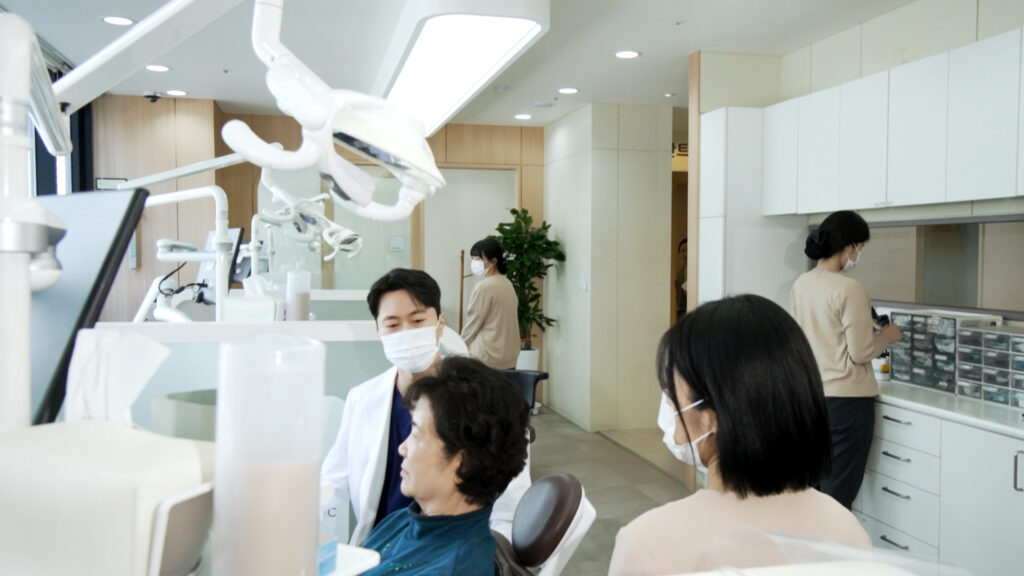
• Ansan Root Canal Treatment: How Many Visits Does It Take? Why the Number of Appointments Depends on Your Tooth Condition

    Ansan Root Canal Treatment: How Many Visits Does It Take? Why the Number of Appointments Depends on Your Tooth Condition

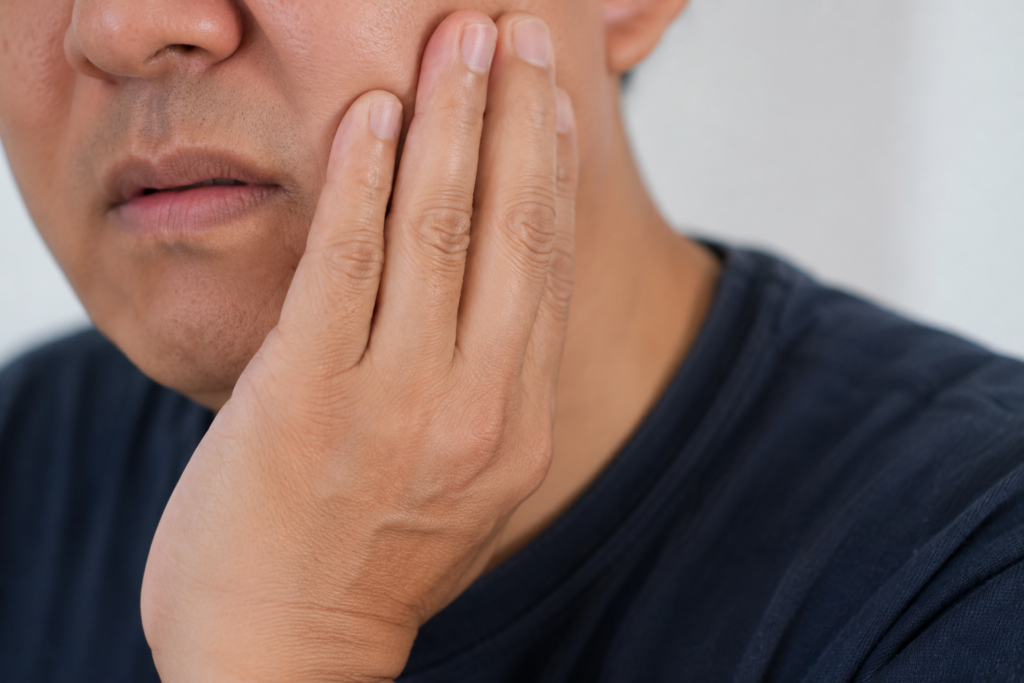
    One of the most common questions patients ask when they visit the dentist because of a toothache is:

    “How many appointments does a root canal treatment usually require?”

    In the consultation room, this question is often followed by others such as:

    • Can the treatment be completed in just one visit?
    • If I still have pain between appointments, does that mean something went wrong?
    • If the temporary filling falls out, do I have to start the treatment all over again?
    • Is it okay if there’s a long gap between appointments?

    To answer briefly, most root canal treatments are completed in about two to four visits. However, not every tooth can be treated within the same number of appointments.

    The treatment schedule varies depending on the condition of the tooth.

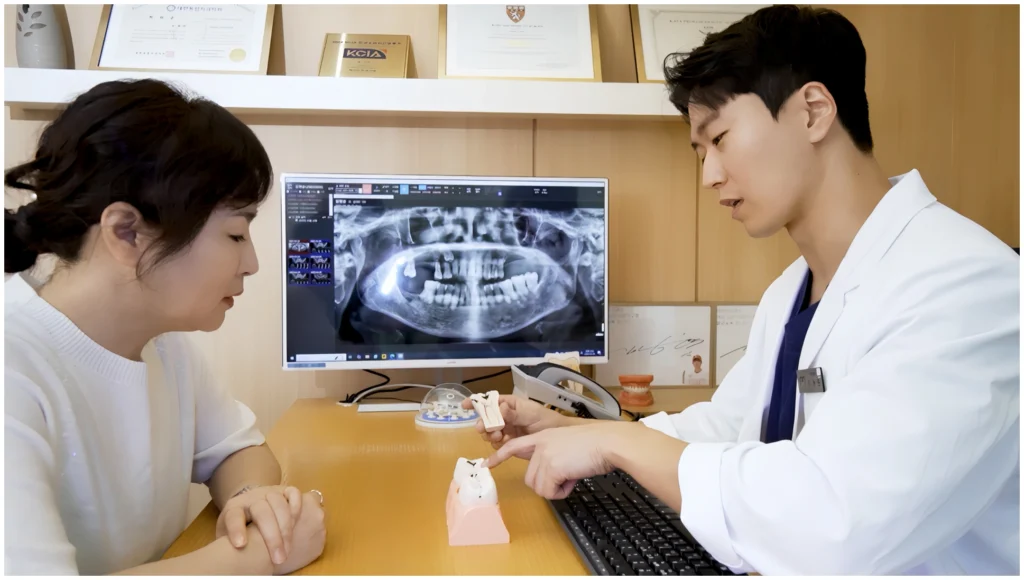
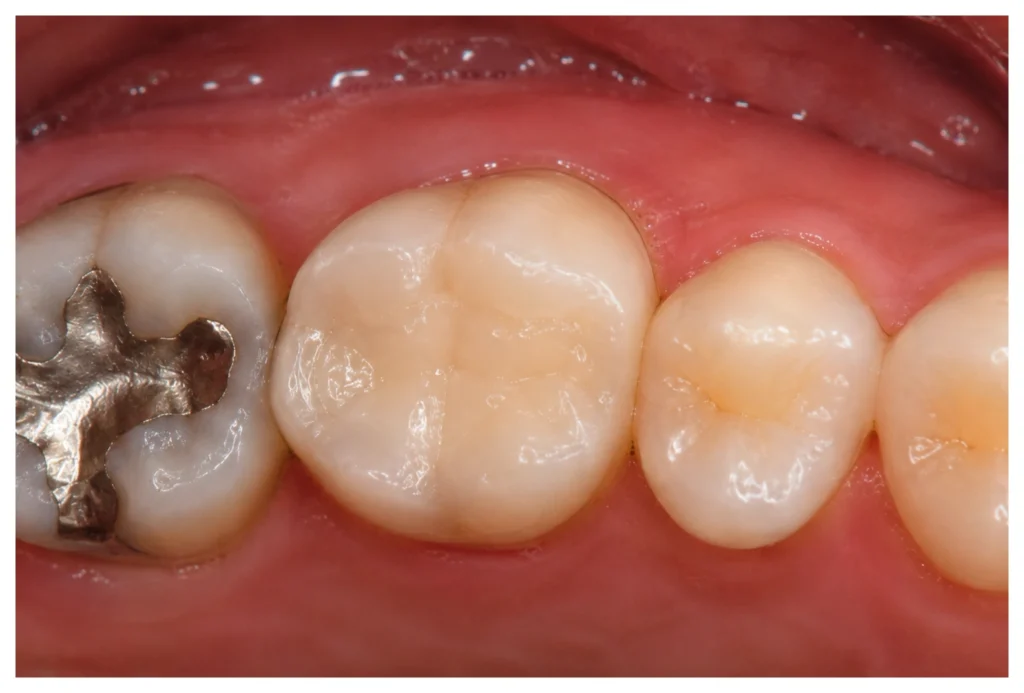
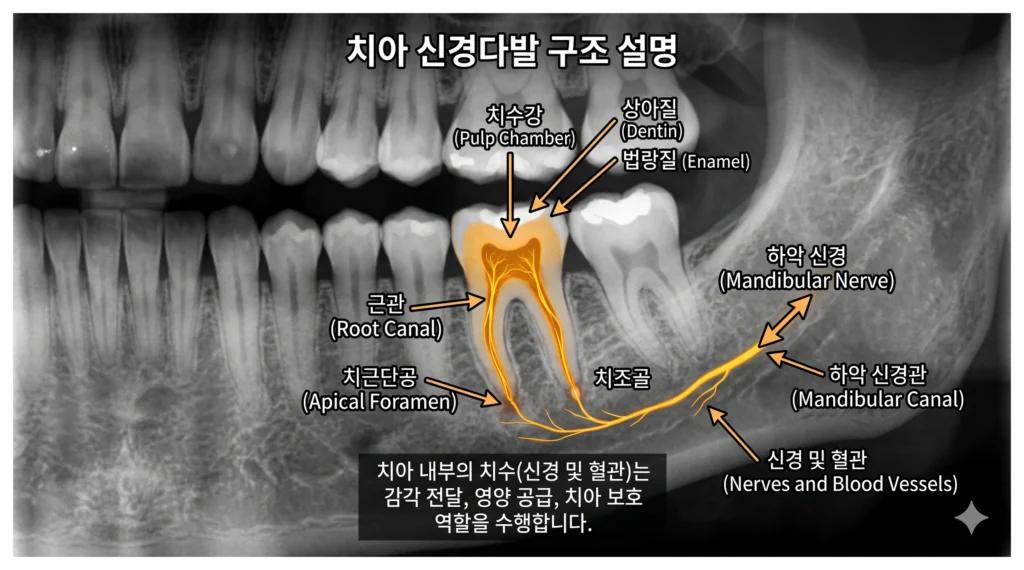
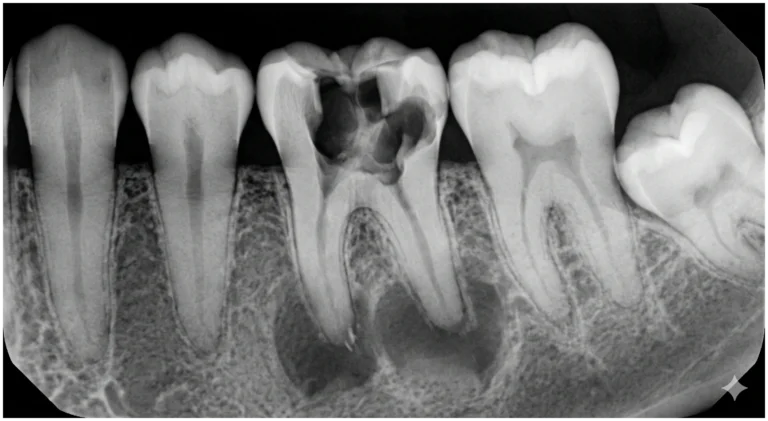
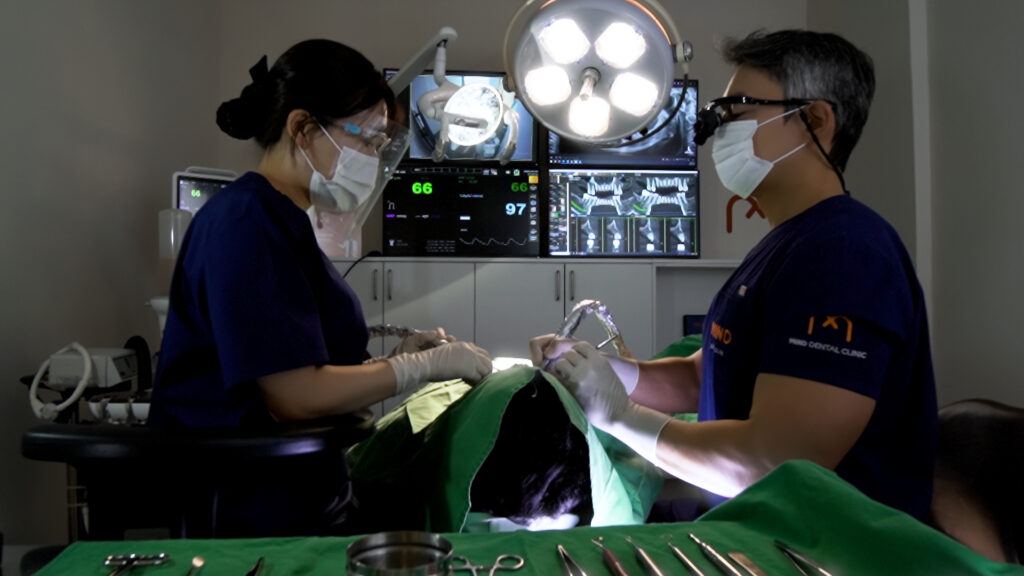
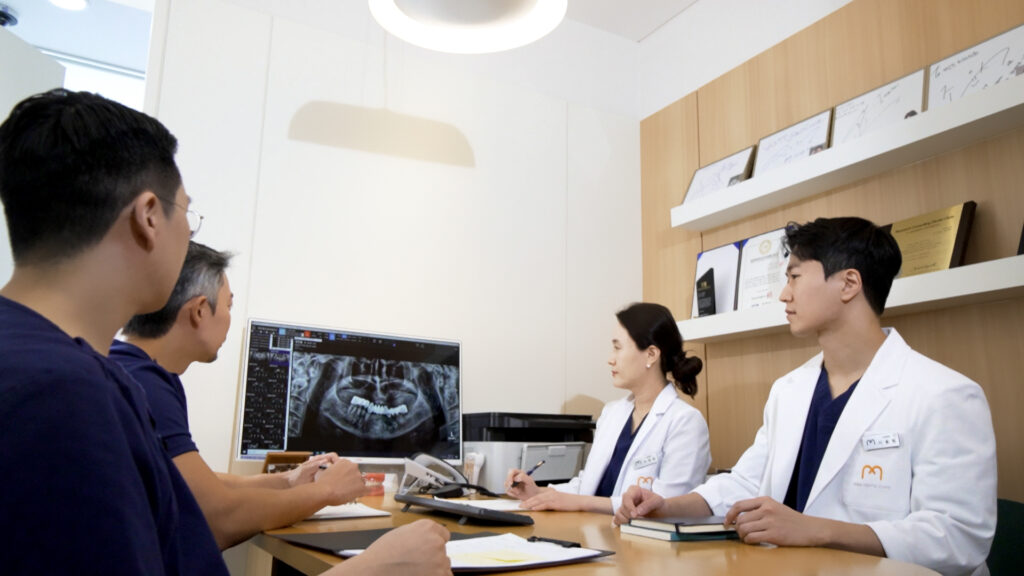
    Ansan Jungang-dong Dental Clinic Root Canal Diagnosis with X-ray

    Why Does the Number of Root Canal Visits Differ from Person to Person?

    Although cavities may look similar from the outside, the condition inside the tooth can vary significantly.

    A root canal treatment is not simply about removing the dental pulp (nerve).

    The procedure includes:

    • Removing infected pulp tissue
    • Thoroughly cleaning and disinfecting the root canal system
    • Sealing the inside of the canals to help prevent bacteria from re-entering

    In daily practice, we often see patients who visit on the same day but require completely different treatment plans.

    For example, front teeth usually have a relatively simple root canal structure, so treatment can often be completed more quickly.

    Molars, on the other hand, typically have multiple canals and more complex anatomy, making the procedure more time-consuming.

    Treatment may also require additional visits if:

    • There is a large infection around the tip of the root.
    • An abscess has formed.
    • A previous root canal treatment needs to be retreated.
    • The infection has spread extensively inside the tooth.

    In other words, the number of appointments is determined by the condition of the tooth—not by the dentist.

    The treatment process also varies depending on several factors, including:

    • The internal anatomy of the tooth
    • The severity of the infection
    • The number of roots and root canals
    • Whether the tooth has undergone previous treatment

    At Mind Dental Clinic in Ansan Jungang-dong, we always explain one important point to our patients:

    The most important aspect of root canal treatment is not how many visits it takes, but accurately determining the current condition of the tooth before treatment begins.

    In this article, based on real clinical experience, we’ll explain why the number of root canal appointments varies, what the treatment process involves, and what patients should keep in mind during treatment.

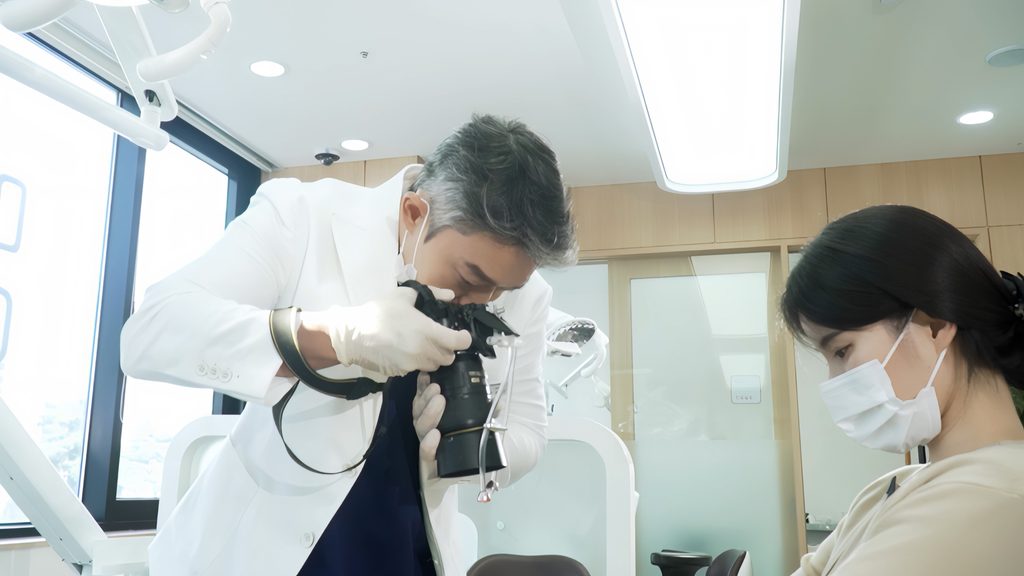
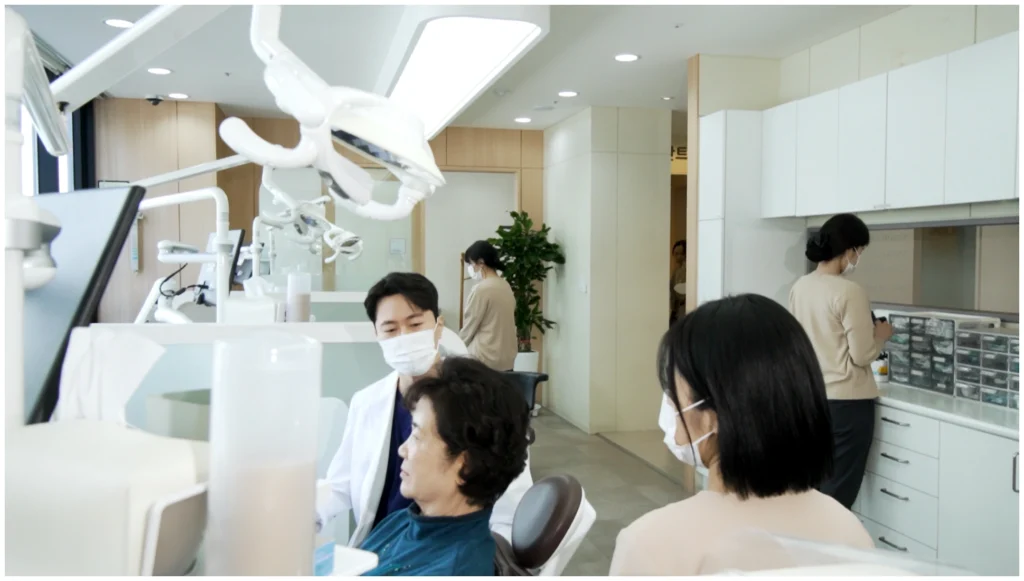
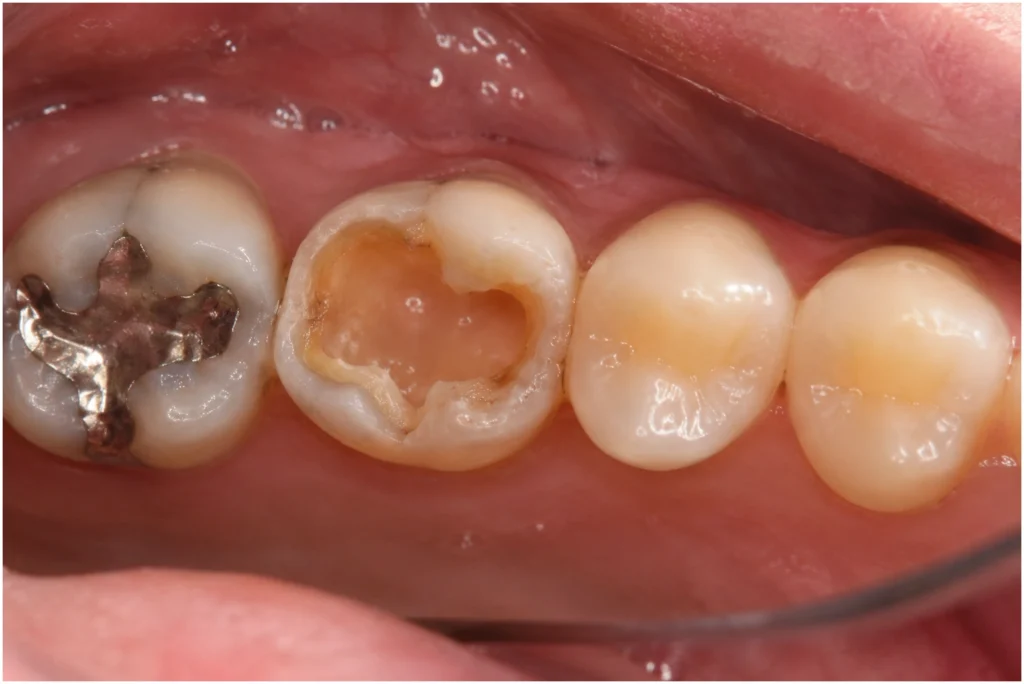
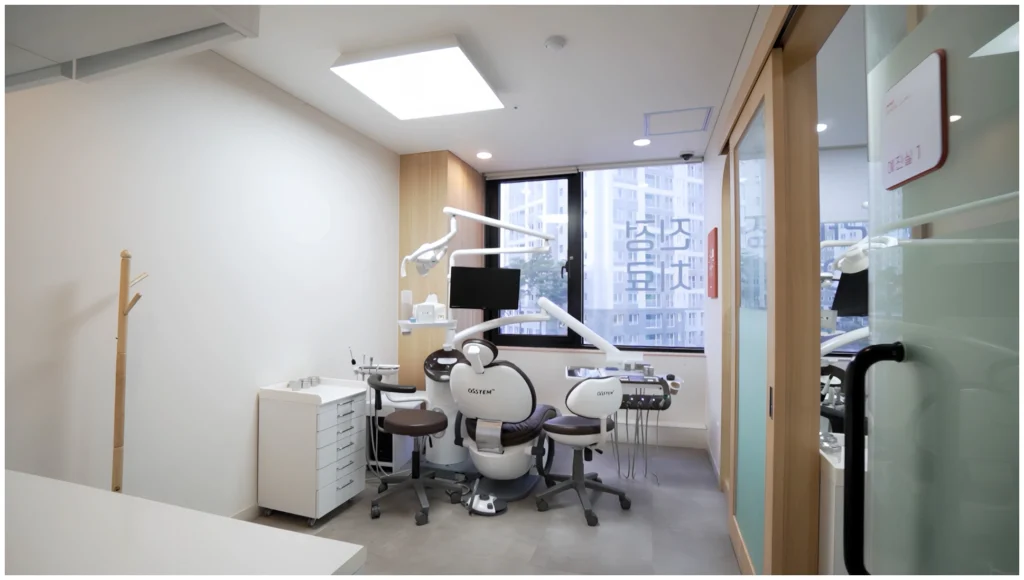
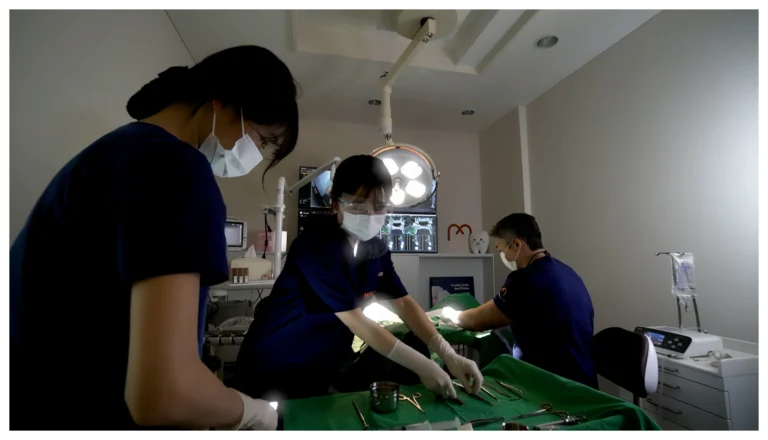
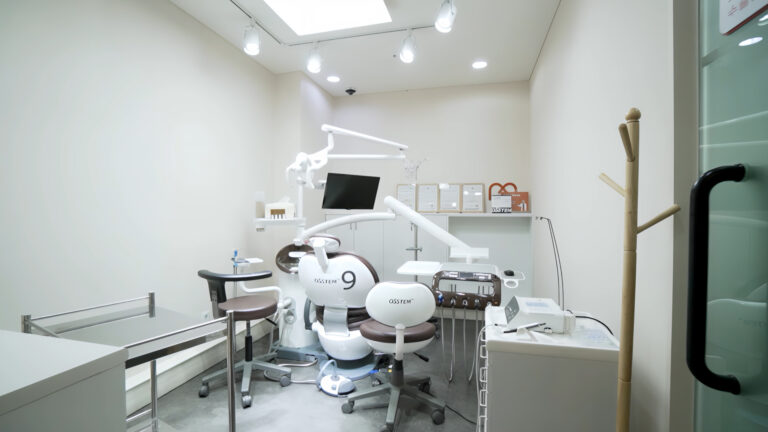
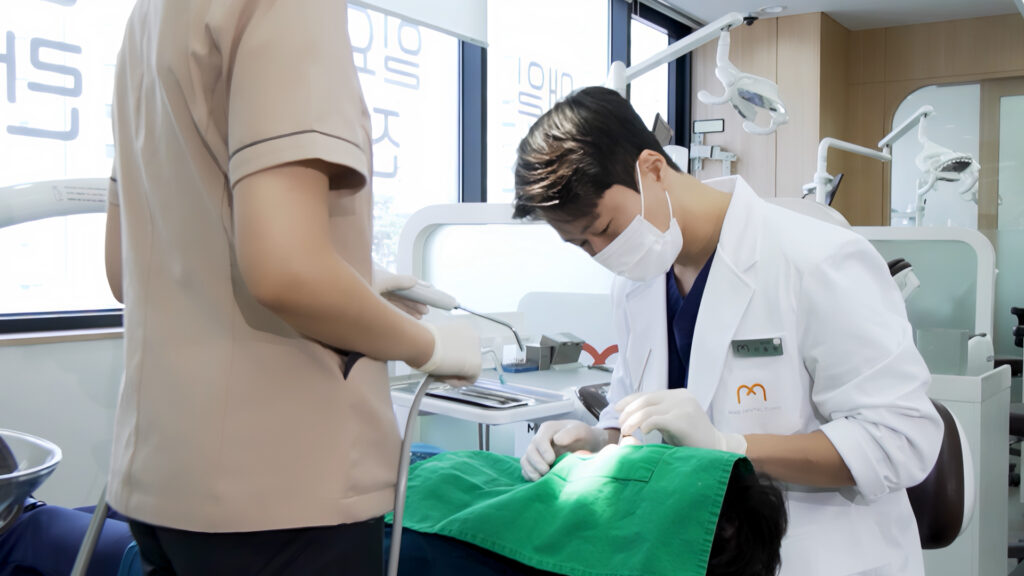
    Ansan Jungang-dong Dental Clinic Examination Room

    How Is Root Canal Treatment Performed?

    Many people believe that root canal treatment is finished once the dental pulp (nerve) is removed. In reality, the procedure involves several important steps.

    Step 1. Examination and Diagnosis

    Before treatment begins, your dentist will evaluate:

    • The extent of pulp damage
    • The number of root canals
    • The severity of the infection
    • Whether the tooth can be preserved

    This examination typically includes dental X-rays and other diagnostic tests. Based on these findings, your dentist can also provide an estimate of how many treatment visits may be required.

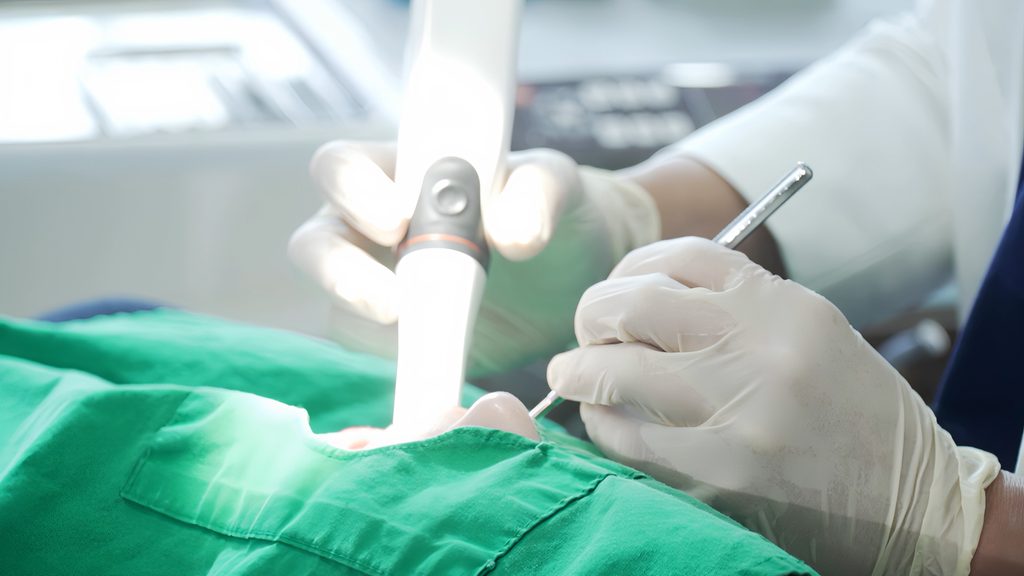
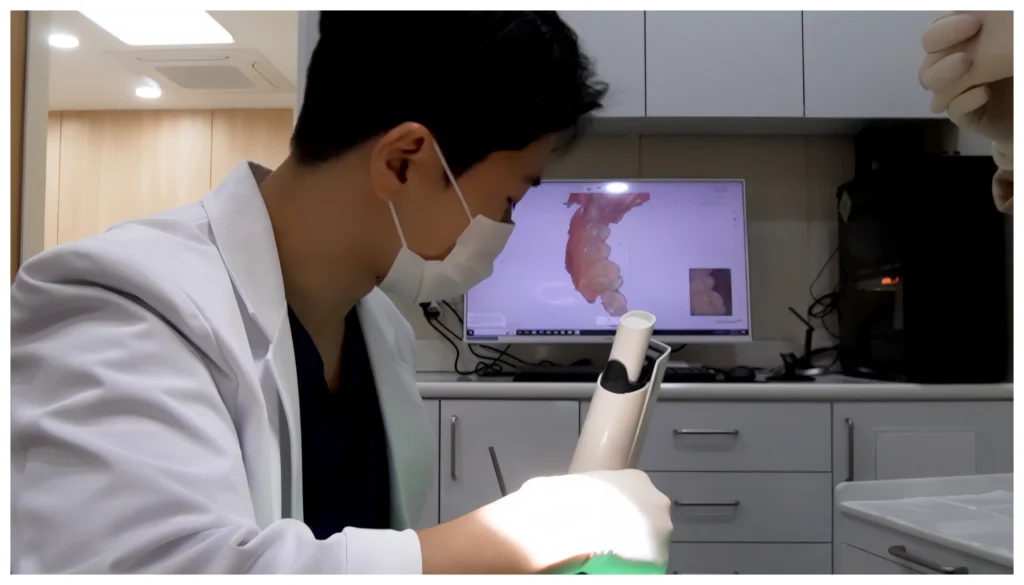
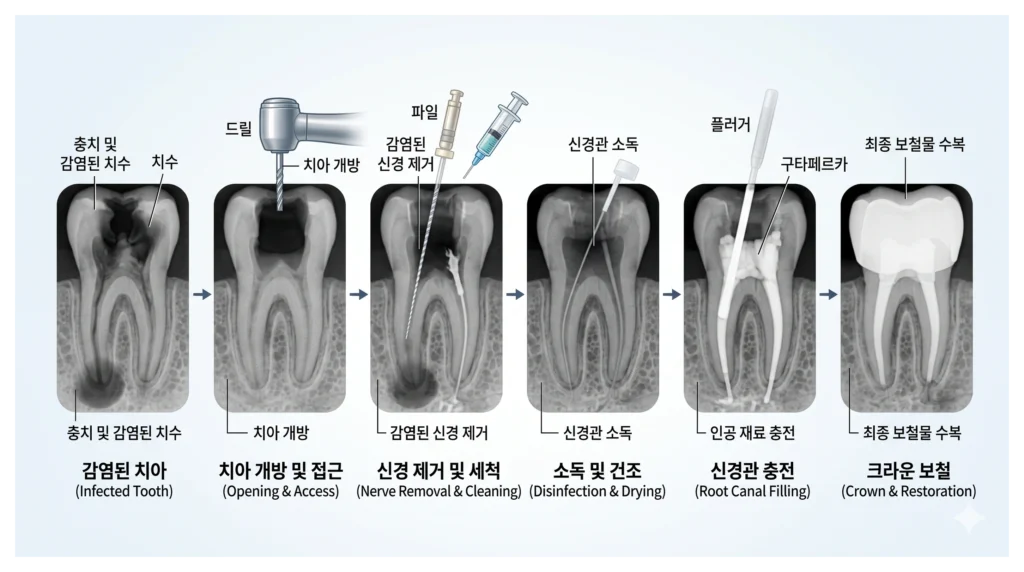
    Ansan Jungang-dong Dental Clinic Root Canal Treatment Process

    Step 2. Removal of the Infected Pulp

    The dentist creates a small opening in the tooth and carefully removes the infected pulp tissue.

    Many patients notice that their pain begins to decrease after this step. However, this does not mean the treatment has been completed.

    Step 3. Cleaning and Disinfecting the Root Canals

    The inside of each root canal is thoroughly cleaned and disinfected over one or more appointments.

    This step is particularly important for teeth with significant infection or inflammation, as the dentist needs to ensure that the infection has been adequately controlled before sealing the canals.

    Step 4. Root Canal Filling (Obturation)

    Once the dentist confirms that the infection has resolved and the tooth is stable, the cleaned canals are sealed with a specialized filling material.

    This stage is essential because it helps prevent bacteria from re-entering the root canal system and causing reinfection.

    Step 5. Final Restoration

    A tooth that has undergone root canal treatment may become more brittle over time.

    For this reason, many patients receive a dental crown to strengthen and protect the treated tooth.

    However, not every patient requires the same type of restoration. The final treatment plan depends on the amount of remaining tooth structure and the overall condition of the tooth.

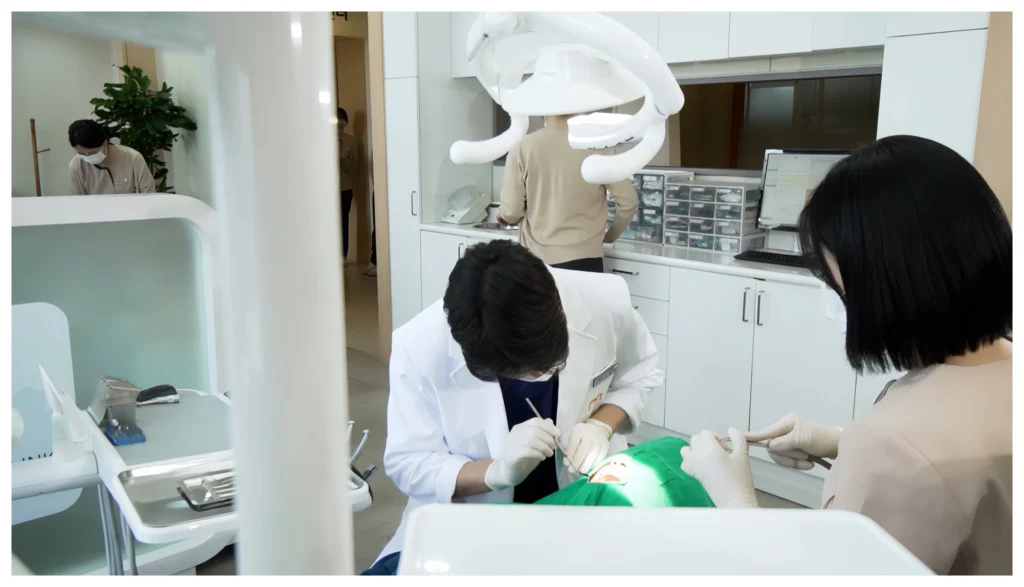
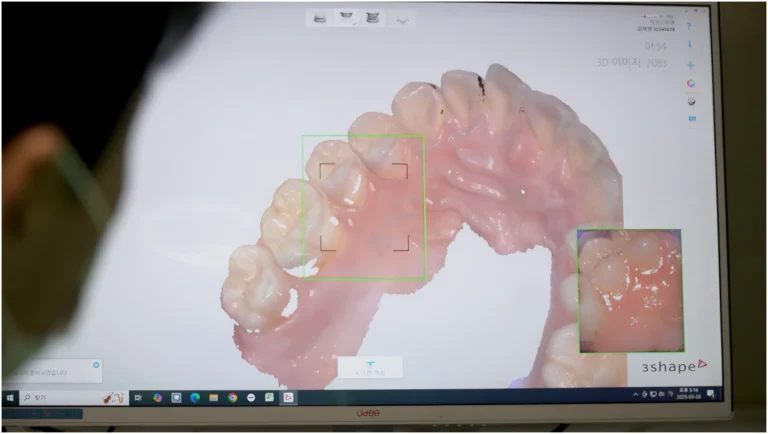
    Ansan Jungang-dong Dental Clinic Dental Examination Process

    How Long Should the Interval Be Between Root Canal Appointments?

    This is another question we hear frequently in the clinic.

    In many cases, appointments are scheduled every three days to one week.

    However, there is no single schedule that applies to everyone.

    Several factors influence the timing between visits, including:

    • The degree of inflammation
    • Changes in symptoms or pain
    • The condition inside the tooth
    • Appointment availability
    • The condition of the temporary filling

    Most importantly, don’t postpone your next appointment simply because the pain has improved.

    During treatment, the tooth is protected only by a temporary filling. If treatment is delayed for too long, food debris and bacteria may enter the tooth again.

    Based on our clinical experience, patients who postpone follow-up appointments for extended periods are more likely to require additional cleaning and disinfection before treatment can continue.

    Is It Normal to Have Pain During Root Canal Treatment?

    It is common to experience mild soreness, tenderness, or sensitivity when biting for several days after a root canal appointment.

    This may simply be part of the healing process as the tissues surrounding the root recover.

    However, you should contact your dentist before your next scheduled appointment if you experience any of the following:

    • Pain that becomes progressively worse
    • Swelling of the face or gums
    • Drainage of pus
    • Severe pain that keeps you awake at night
    • Persistent pain that makes chewing difficult

    The key factor is not whether pain is present, but how it changes over time. Pain that gradually improves is generally expected, whereas worsening symptoms should be evaluated promptly.

    What Should I Do If My Temporary Filling Falls Out?

    This is one of the most common concerns among patients undergoing root canal treatment.

    If your temporary filling falls out, it does not necessarily mean that you need to start the entire treatment over again.

    However, it should not be left untreated for an extended period.

    Without the temporary filling, food particles and bacteria can enter the root canal system, increasing the risk of reinfection.

    If this happens, we recommend that you:

    • Avoid chewing hard foods with the affected tooth.
    • Chew on the opposite side whenever possible.
    • Contact your dental clinic as soon as possible.

    In most cases, prompt replacement of the temporary filling allows the original treatment plan to continue without major problems.

    Ansan Jungang-dong Dental Clinic Dental Simulation

    How Is Root Canal Treatment Performed?

    Many people think that root canal treatment is complete once the dental pulp is removed. In reality, the procedure involves several important steps.

    The treatment generally follows this sequence:

    Step 1. Examination and Diagnosis

    Using dental X-rays and clinical tests, the dentist evaluates:

    • The extent of pulp damage
    • The number of root canals
    • The severity of infection
    • Whether the tooth can be preserved

    At this stage, the estimated number of treatment visits is also discussed.

    Step 2. Removal of the Infected Pulp

    The dentist opens the tooth and removes the infected pulp tissue.

    Many patients notice that the pain decreases after this stage, but the treatment is not yet complete.

    Step 3. Cleaning and Disinfecting the Root Canals

    The inside of each root canal is carefully cleaned and disinfected over one or more visits to ensure the infection has subsided.

    For teeth with severe inflammation, this is one of the most important stages of treatment.

    Step 4. Root Canal Filling

    Once the dentist confirms that the infection is under control, the cleaned canals are sealed with a specialized filling material.

    This step is essential for preventing bacteria from re-entering the tooth.

    Step 5. Final Restoration

    Because a tooth that has undergone root canal treatment may become more fragile, a dental crown is often recommended to protect it.

    However, not every patient requires the same type of restoration. The final treatment plan depends on the condition of the tooth.

    Ansan Jungang-dong Dental Clinic Dental X-ray

    How Long Is the Interval Between Root Canal Visits?

    This is another question frequently asked during consultations.

    In many cases, appointments are scheduled every 3 to 7 days, although the exact interval varies depending on the individual case.

    Several factors influence the treatment schedule, including:

    • The degree of inflammation
    • Changes in pain symptoms
    • The condition inside the tooth
    • Appointment availability
    • The condition of the temporary filling

    More importantly, treatment should not be delayed simply because the pain has improved.

    During root canal treatment, the tooth is protected only by a temporary filling. If too much time passes, food particles and bacteria may enter the tooth again.

    Based on clinical experience, excessively long gaps between appointments often require additional cleaning and disinfection before treatment can continue.

    Ansan Jungang-dong Dental Clinic Tooth Treatment

    Is It Normal to Feel Pain During Root Canal Treatment?

    It is not uncommon to experience mild soreness or tenderness when biting for several days after a root canal appointment.

    This may simply reflect the normal healing process of the tissues surrounding the root.

    However, you should contact your dentist promptly instead of waiting for your next appointment if you experience any of the following:

    • Pain that gradually becomes more severe
    • Swelling of the face
    • Pus or drainage
    • Pain severe enough to interfere with sleep
    • Persistent pain that makes chewing difficult

    The key consideration is not simply whether pain is present, but whether the symptoms are improving or worsening over time.

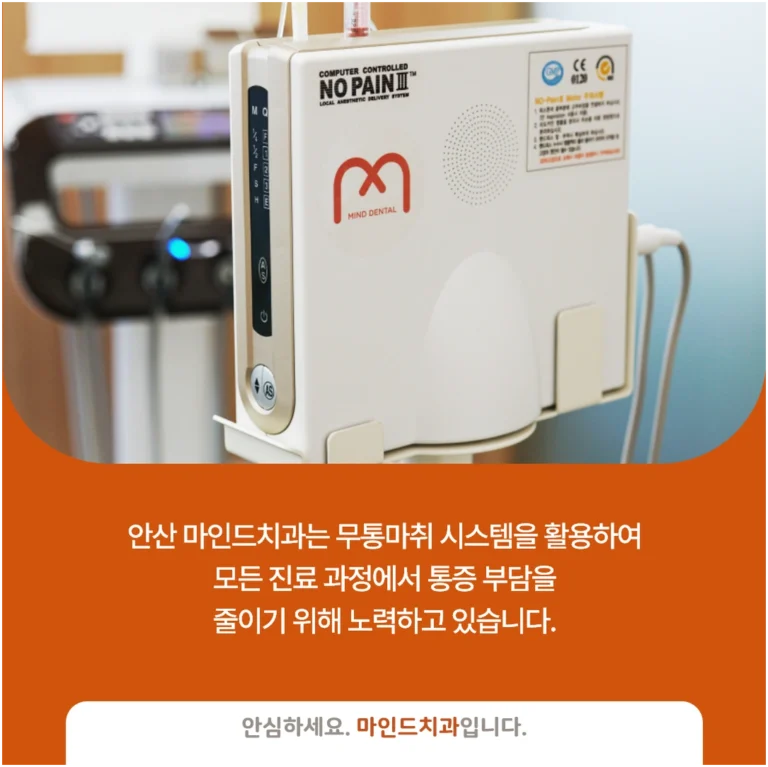
    Ansan Mind Dental Clinic Painless Anesthesia System

    Real Cases Frequently Encountered in Clinical Practice

    Before starting root canal treatment, many patients are most concerned about one question:
    “How many visits will I need?”

    However, as treatment progresses, patients naturally come to understand that more important factors are keeping scheduled appointments and properly managing the temporary filling.

    In actual cases, patients who complete treatment successfully as planned have a common habit: they do not stop treatment simply because the pain has decreased, but continue visiting the clinic according to the recommended schedule.

    On the other hand, there are also cases where patients delay treatment because the pain has disappeared, causing the inside of the tooth to become re-infected, which can extend the overall treatment period.

    It is important to remember that root canal treatment is not simply a procedure to eliminate pain. It is a process of carefully managing internal infection so that the tooth can be used for a longer period of time.

    Frequently Asked Questions

    Q. How many times is root canal treatment usually required?

    On average, root canal treatment is often completed in about 2 to 4 visits. However, the number of appointments may vary depending on the location of the tooth, the severity of inflammation, and the structure of the root canals.

    Q. Is it okay if some pain remains during root canal treatment?

    Mild discomfort can occur during treatment. However, if the pain continues to worsen or swelling develops, it is recommended to contact your dentist rather than waiting until your scheduled appointment.

    Q. What is the appropriate interval between appointments?

    In many cases, appointments are scheduled every 3 days to 1 week. Delaying treatment for too long is generally not recommended, as it may affect the treatment outcome.

    Q. My temporary filling has fallen out. What should I do?

    Avoid hard foods, minimize use of the affected tooth, and visit your dentist as soon as possible to check whether the tooth needs to be resealed with a new temporary filling.

    Q. Is slight discomfort when biting after treatment is completed normal?

    The tooth may feel temporarily sensitive during the early stage after treatment. However, if the discomfort does not improve over time or becomes worse, an additional dental examination may be necessary.

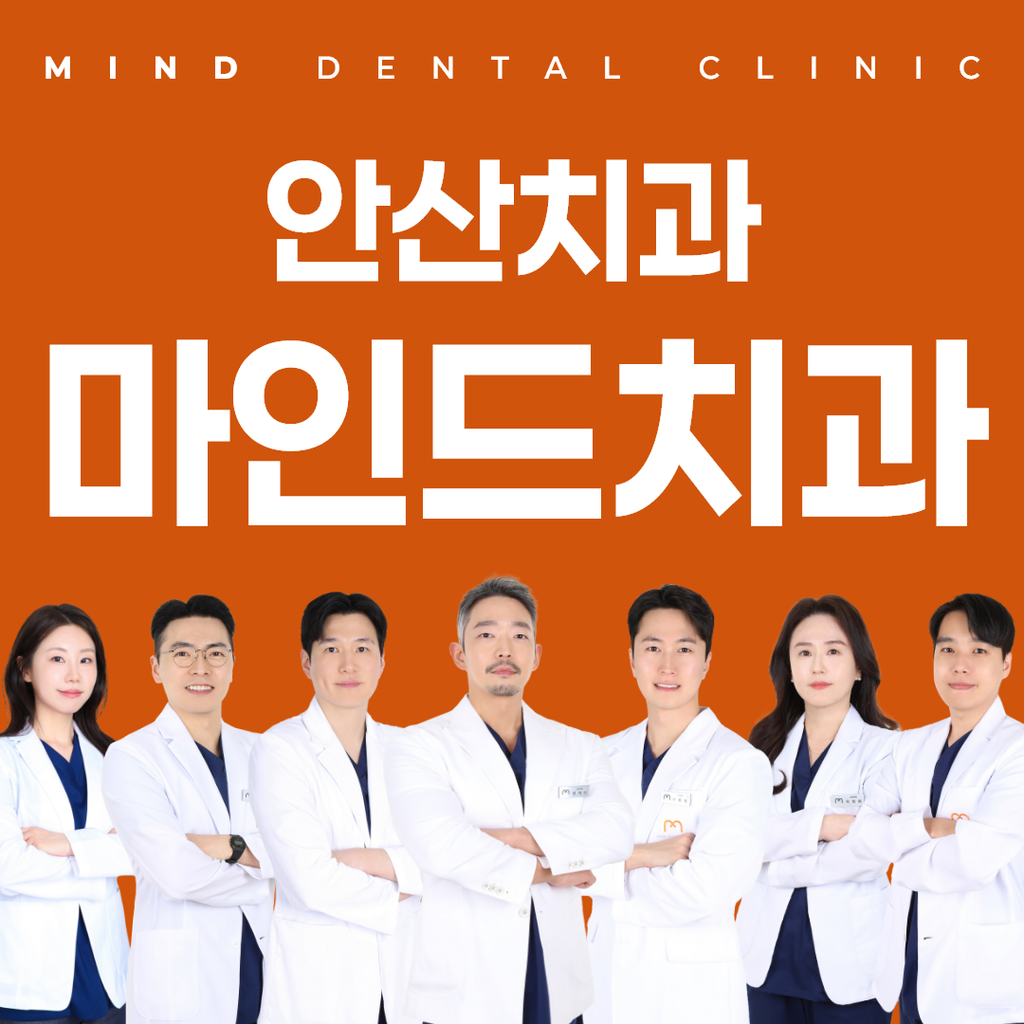
    Ansan Jungang-dong Mind Dental Clinic

    Mind Dental Clinic Information
    Mind Dental Clinic, located in Ansan, provides advanced dental treatments including dental implants and no-prep veneers.
    Before starting any procedure, patients can receive a comprehensive evaluation of their current oral condition along with a clear explanation of the recommended treatment plan.

    Location
    4th Floor, Central Tower, 72 Gojan-ro, Danwon-gu, Ansan, South Korea

    Phone
    +82-31-401-9375

    Website
    https://minddental.co.kr/

    Hours
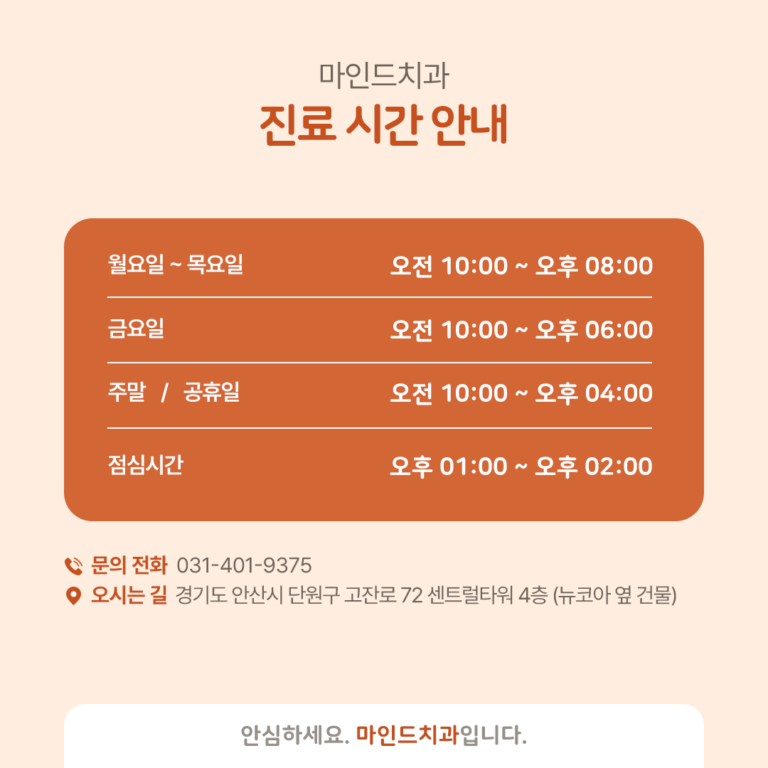
    Mon – Thu: 10:00 AM – 8:00 PM
    Fri: 10:00 AM – 6:00 PM
    Public Holidays: 10:00 AM – 4:00 PM

  • Ansan Dental Implants: When Can You Eat and Return to Work? Recovery Tips That Can Influence Your Healing

    One of the most common concerns patients have before dental implant surgery is not the procedure itself, but when they can safely return to their normal daily routine afterward.

    In the clinic, we frequently hear questions such as:

    • “Can I eat the day after implant surgery?”
    • “When can I go back to work?”
    • “When is it okay to drink coffee again?”
    • “How long should I avoid exercise, alcohol, and smoking?”

    In many cases, implant surgery itself proceeds as planned. However, the recovery process varies from person to person. Factors such as the extent of surgery, whether bone grafting was performed, gum health, and overall medical condition can all influence recovery and postoperative care.

    At Mind Dental Clinic in Ansan, one point is always emphasized during consultations: The success of implant treatment depends not only on the day of surgery but also on how well the recovery period is managed afterward.

    Based on recommendations commonly provided in clinical practice, this article explains important points about eating, returning to work, exercising, and managing alcohol and smoking after dental implant surgery.

    Ansan Dental Implant

    Ansan Dental Implant Imaging Equipment

    Why Are the First 24 Hours After Implant Surgery So Important?

    Immediately after implant placement, a blood clot naturally forms around the surgical site.

    This blood clot is an essential part of the healing process and helps protect the wound during the early stages of recovery.

    One of the most important instructions patients receive after surgery is to avoid unnecessary irritation to the surgical area during the first 24 hours.

    During this period, it is generally advisable to avoid:

    • Using straws
    • Vigorous mouth rinsing
    • Forcefully spitting repeatedly
    • Hot foods and beverages
    • Alcohol
    • Smoking
    • Strenuous exercise

    Some patients ask,

    “There isn’t much bleeding anymore. Is it okay if I go back to normal?”

    Even if visible bleeding is minimal, the gums and surrounding bone have only just begun healing. A lack of significant pain does not necessarily mean the tissues have fully recovered. Taking it easy on the first day is recommended.

    Ansan Dental Implant Aftercare Precautions

    Ansan Dental Implant Surgery

    Can You Eat the Day After Implant Surgery?

    This is one of the most frequently asked questions.

    For most patients, eating is possible the day after surgery.

    However, being able to eat does not mean every type of food is appropriate immediately after surgery.

    Soft foods that require minimal chewing are generally recommended during the initial healing period, such as:

    • Rice porridge
    • Steamed eggs
    • Tofu
    • Yogurt
    • Soup
    • Soft fish

    Foods that are generally best avoided during early recovery include:

    • Hard foods
    • Tough meats
    • Nuts
    • Very hot foods
    • Highly spicy or irritating foods

    In clinical practice, there are patients who experience very little discomfort the day after surgery and return to their regular diet too soon. Excessive chewing may lead to renewed swelling or discomfort around the surgical site.

    Because healing cannot be judged solely by the level of pain, choosing appropriate foods during the recovery period is important.

    Dental Implant Aftercare

    Ansan Dental Implant Precautions

    When Can You Return to a Normal Diet?

    There is no single answer that applies to everyone.

    Recovery speed varies depending on several factors, including:

    • Number of implants placed
    • Whether bone grafting was performed
    • Condition of the gums
    • Individual healing ability
    • Presence of systemic medical conditions

    If the surgery was relatively simple and healing progresses smoothly, patients may gradually expand their diet sooner.

    However, if bone grafting was performed or the gums require additional healing time, soft foods may be recommended for a longer period.

    Ultimately, your current healing condition is more important than the number of days that have passed.

    Ansan Dental Implant Surgery

    Ansan Dental Implant Aftercare

    When Can You Drink Coffee or Eat Hot Foods?

    Many patients ask this question.

    Immediately after implant surgery, hot foods and beverages may increase blood flow by dilating blood vessels, potentially contributing to swelling or bleeding.

    During the early recovery period, it is generally more comfortable to choose:

    • Warm (not hot) soup
    • Room-temperature beverages
    • Foods that are not excessively hot

    With coffee, the temperature is often a greater concern than the caffeine itself.

    Some patients have reported increased throbbing discomfort after drinking very hot coffee shortly after surgery.

    Mind Dental Clinic Ansan Office Hours

    Ansan Dental Implant Treatment Surgery

    When Can You Return to Work?

    For patients with office-based jobs, returning to work the following day is common in many cases.

    However, the physical demands of the job should always be considered.

    Additional recovery time may be helpful for occupations involving:

    • Prolonged standing
    • Frequent heavy lifting
    • Outdoor construction or field work
    • Physically demanding activities

    Many patients also choose to schedule implant surgery around important meetings or business trips whenever possible.

    When Can You Resume Exercise?

    Strenuous exercise is generally discouraged immediately after surgery.

    Exercise may increase blood pressure and sweating, which could affect the early healing process.

    Light daily activities are usually acceptable, but activities such as:

    • Weight training
    • Running
    • Hiking
    • Golf
    • High-intensity exercise

    are generally best resumed gradually according to your dentist’s recommendations.

    Why Should Alcohol and Smoking Be Avoided?

    This is another common question during consultations.

    Both alcohol consumption and smoking may interfere with wound healing.

    During the early healing phase, they may affect:

    • Gum healing
    • Blood circulation
    • Inflammatory response

    For this reason, avoiding both whenever possible is recommended.

    Patients who undergo bone grafting may require even more careful postoperative management.

    The appropriate restriction period varies depending on individual healing, so it is best to follow the instructions provided by your dental team.

    Common Recovery Patterns Observed in Clinical Practice

    Many patients say,

    “It actually doesn’t hurt as much as I expected.”

    While minimal discomfort is certainly reassuring, it can sometimes lead patients to become less cautious with postoperative care.

    On the other hand, patients who experience mild swelling initially but carefully follow dietary recommendations and postoperative instructions often recover very smoothly.

    These clinical experiences highlight an important point:

    Successful implant treatment depends not only on the surgery itself, but also on careful management during the following days.

    Post-Implant Surgery Checklist

    • Avoid hot foods on the day of surgery.
    • Begin with soft foods.
    • Chew on the side opposite the surgical area whenever possible.
    • Avoid using straws.
    • Avoid vigorous rinsing and forceful spitting.
    • Postpone strenuous exercise.
    • Avoid alcohol and smoking during the healing period.
    • Contact your dental clinic if pain or swelling becomes more severe than expected.

    At Mind Dental Clinic, Ansan

    Frequently Asked Questions

    Q. Can I eat the day after implant surgery?

    In most cases, yes. It is generally recommended to start with soft foods such as rice porridge, steamed eggs, and tofu while minimizing chewing pressure around the surgical area.

    Q. When can I return to a normal diet?

    The timing varies depending on the extent of surgery and your individual healing progress. Rather than following a fixed timeline, it is better to expand your diet according to your recovery as evaluated during follow-up visits.

    Q. When can I drink coffee again?

    During the early healing period, avoiding very hot coffee is recommended. Choosing lukewarm beverages may help reduce irritation.

    Q. When can I return to work?

    Many office workers return the following day. However, patients with physically demanding jobs may need additional recovery time depending on their healing progress.

    Q. When is it safe to drink alcohol or smoke again?

    It is generally recommended to avoid both during the early healing phase. The appropriate timing varies depending on the extent of surgery and individual recovery, so following your dentist’s instructions is the safest approach.

    If you are planning dental implant treatment in Ansan, preparing for the surgery itself is only one part of the process. Planning how you will manage the first several days of recovery is equally important.

    In clinical practice, postoperative habits—including diet, returning to work, exercise, alcohol consumption, and smoking—often have a significant influence on the healing process.

    Most importantly, avoid comparing your recovery with someone else’s. Recovery varies from person to person, and your daily activities should be adjusted according to your own healing progress.

    Dental implant treatment does not end with implant placement. It also includes the period during which the gums and jawbone heal and stabilize around the implant.

    If you experience symptoms that concern you or differ from what you expected, it is safest to contact the dental clinic where you received treatment rather than trying to evaluate the situation on your own.

    Mind Dental Clinic Ansan

    Mind Dental Clinic Information
    Mind Dental Clinic, located in Ansan, provides advanced dental treatments including dental implants and no-prep veneers.
    Before starting any procedure, patients can receive a comprehensive evaluation of their current oral condition along with a clear explanation of the recommended treatment plan.

    Location
    4th Floor, Central Tower, 72 Gojan-ro, Danwon-gu, Ansan, South Korea

    Phone
    +82-31-401-9375

    Website
    https://minddental.co.kr/

    Hours
    Mon – Thu: 10:00 AM – 8:00 PM
    Fri: 10:00 AM – 6:00 PM
    Public Holidays: 10:00 AM – 4:00 PM

  • Ansan Root Canal Treatment: Is It Normal Ifthe Pain Feels Worse After Treatment?

    Ansan Root Canal Treatment: Is It Normal Ifthe Pain Feels Worse After Treatment?

    “Doctor, I had a root canal treatment, but it actually feels more painful now.”
    This is one of the most common concerns we hear in the clinic after root canal treatment.
    To start with the conclusion, it is possible for discomfort or pain to feel stronger after a root canal procedure.
    However, what matters most is not simply whether pain exists, but how it presents and whether it is gradually improving or becoming worse over time.

    Ansan Dental Clinic

    In many cases, patients who returned to our Ansan dental clinic worried about posttreatment pain were experiencing a normal healing process. On the other hand, there were also cases where delaying a follow-up visit allowed inflammation to progress further.


    Why does this happen?
    Many people assume that once the nerve is removed, all pain should disappear immediately.
    In reality, root canal treatment removes the infected nerve tissue inside the tooth, but it does not instantly heal the surrounding tissues around the root.
    The periodontal ligament and surrounding bone tissues remain outside the tooth root. If significant inflammation existed before treatment, these tissues may require additional time to recover even after the infected nerve has been removed.
    In simple terms, the problem inside the tooth may have been addressed, but the tissues around the tooth could still be in the healing phase. In the clinic, we often observed that teeth causing severe pain before treatment were more likely to remain sensitive or uncomfortable for several days after the procedure.


    Some patients contact us the day after treatment and say:
    “Doctor, it hurts more today than it did yesterday. Was something done incorrectly?”
    To begin with the answer, this type of reaction is not uncommon.
    During root canal treatment, infected tissue is removed and the root canal system is cleaned and disinfected. As a result, the tissues around the root tip may become
    temporarily irritated.

    Ansan Dental Clinic – Root Canal Treatment


    Because of this, some patients experience more throbbing discomfort or tenderness the
    day after treatment than they did on the day of the procedure.
    In many cases, no abnormal findings are present, and the discomfort gradually improves within a few days as healing progresses.
    Another common concern involves pain when chewing.
    Patients often tell us, “It doesn’t hurt when I’m resting, but it hurts when I bite down.”
    When this happens, one of the first things we evaluate is the patient’s bite. Temporary filling material used during treatment may occasionally sit slightly high,
    causing additional pressure on the treated tooth during chewing.
    Another possible reason is healing of the periodontal ligament.
    When inflammation has been present around the root, the surrounding tissues often need time to recover. During this period, patients may notice a feeling of pressure,
    soreness, or discomfort when biting.

    Ansan Dental Clinic – Root Canal Treatment


    However, if the pain does not gradually improve, or if it begins occurring even without
    chewing, a follow-up examination may be necessary.
    Some patients also notice that the pain feels worse at night.
    This can occur because changes in body position and blood flow, combined with a quieter environment, may make discomfort feel more noticeable.
    We frequently hear concerns about increased nighttime pain following root canal treatment.
    However, if the pain becomes severe enough to interfere with sleep, persists for several days, or continues worsening, additional evaluation may be appropriate.

    Ansan Dental Clinic – Root Canal Treatment


    So when should you contact your dentist again?
    We generally recommend re-evaluation if any of the following symptoms occur:
    ● Noticeable swelling of the gums
    ● Swelling that extends to the face
    ● A feeling of warmth or heat around the area
    ● Pus drainage
    ● Pain that continues to worsen despite taking prescribed medication
    These symptoms may indicate that further assessment is needed rather than a routine
    healing response.
    It is also important to remember that a tooth remains relatively vulnerable until treatment is fully completed.
    Avoiding hard foods, taking prescribed medications as directed, and contacting the clinic if a temporary filling comes loose can all help support the healing process.
    In clinical practice, we often focus less on whether pain exists and more on how it changes over time.
    Every patient can experience recovery differently.
    If the discomfort gradually improves day by day, it is often part of the normal healing process. However, if the pain becomes progressively worse or is accompanied by swelling,
    heat, or drainage, the condition should be reassessed.
    Ultimately, the most important factor is not simply the presence of pain but the pattern of change in that pain.


    An accurate diagnosis and treatment plan require professional evaluation by a dental
    professional.

    Mind Dental Clinic Information
    Mind Dental Clinic, located in Ansan, provides advanced dental treatments including dental implants and no-prep veneers.
    Before starting any procedure, patients can receive a comprehensive evaluation of their current oral condition along with a clear explanation of the recommended treatment plan.

    Location
    4th Floor, Central Tower, 72 Gojan-ro, Danwon-gu, Ansan, South Korea

    Phone
    +82-31-401-9375

    Website
    https://minddental.co.kr/

    Hours
    Mon – Thu: 10:00 AM – 8:00 PM
    Fri: 10:00 AM – 6:00 PM
    Public Holidays: 10:00 AM – 4:00 PM