Losing a single tooth does not always mean the same treatment is required for every patient. What matters is how the empty space affects the neighboring teeth, gums, and bite over time. Rather than asking “Do I have to get an implant?” the important question is whether that missing tooth is changing your oral balance and long-term function. This guide explains how to decide if a single tooth implant is the right choice, what to prepare for the first consultation, and what to expect during treatment and recovery.
When is a single tooth implant considered?
A single tooth implant is often recommended because it replaces the root as well as the crown, allowing restoration of chewing function without trimming adjacent teeth. However, it is not always the only option. Depending on bone volume, general health, and oral hygiene capacity, alternatives such as a fixed bridge or a removable partial denture may be appropriate.
- Advantages often cited for a single tooth implant:
- Restores the missing root and supports long-term function
- Minimizes alteration of adjacent natural teeth
- Can improve chewing efficiency compared with a removable option
- Factors that may change the decision:
- Insufficient jawbone height or width
- Medical conditions or medications that affect healing
- Difficulty maintaining oral hygiene around an implant
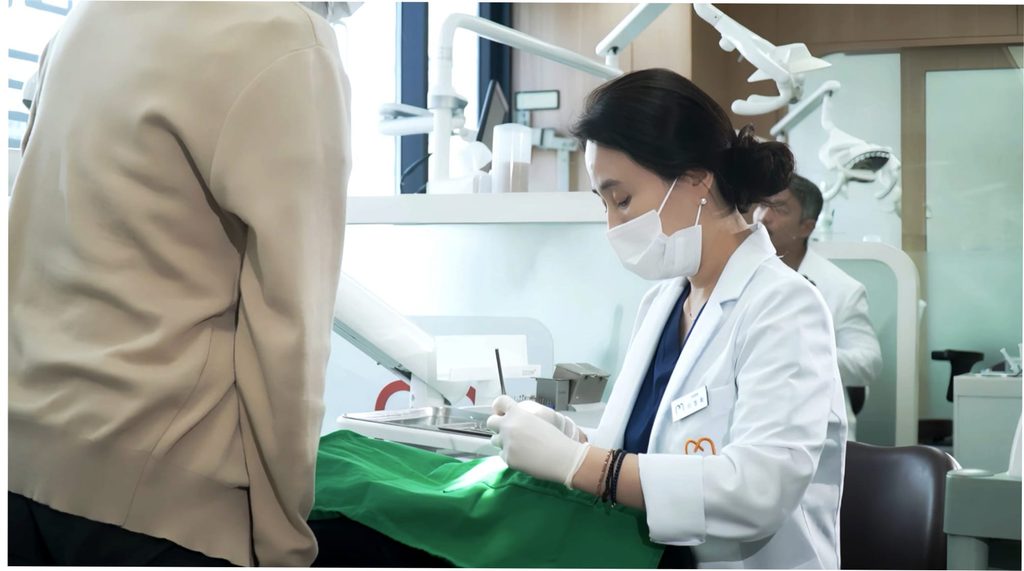
What happens if you leave the gap untreated?
Teeth function as an interdependent system. Leaving a gap for a long time can lead to gradual changes that complicate later treatment.
- Common changes when a space is left empty:
- Adjacent teeth tipping into the gap, reducing space for a future restoration
- Opposing tooth eruption into the space, altering bite relationships
- Shifted chewing patterns that place extra load on remaining teeth
- Local bone loss at the extraction site, which can affect implant feasibility
These changes often progress without pain, so absence of symptoms does not guarantee no problem. Early assessment helps preserve options for treatment.
How is the need for an implant evaluated?
The decision depends on location, surrounding tooth condition, and bone support. Front teeth raise esthetic and speech considerations, while molars demand strong load-bearing solutions.
Key evaluation points
- Missing tooth position: aesthetics and function differ between incisors and molars.
- Condition of adjacent teeth: whether they already have crowns or decay that influences suitability for a bridge.
- Bone quantity and quality: determines if grafting is needed for implant placement.
- Medical and lifestyle factors: diabetes control, certain medications (e.g., bisphosphonates), smoking, and bruxism can affect healing and prognosis.
A full assessment normally includes a clinical exam and radiographic imaging to check bone levels and occlusion.
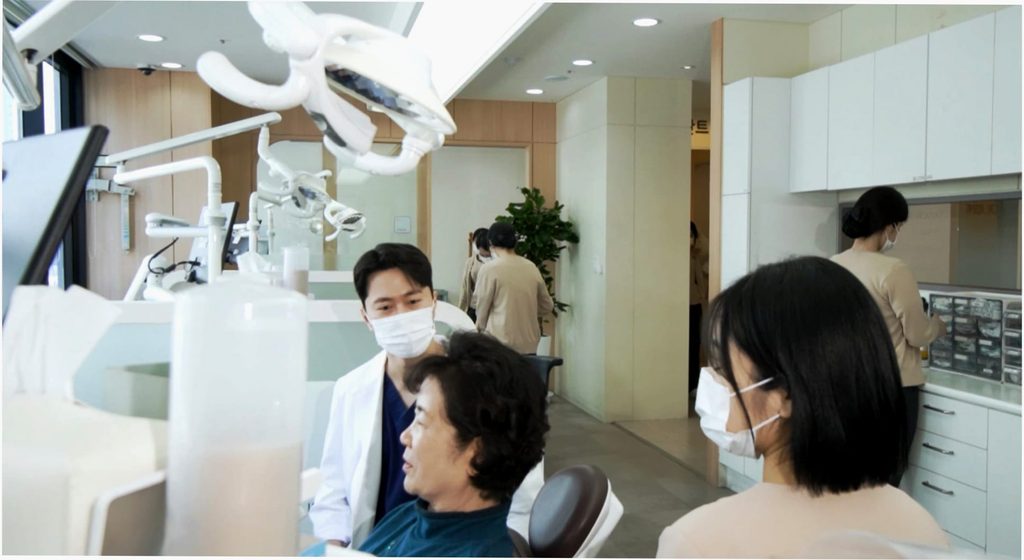
What should you bring to the first implant consultation?
Preparing relevant information helps the clinician plan efficiently.
- Useful information to share:
- When the tooth was lost and any symptoms since then
- Whether you are using a temporary denture or avoiding chewing on that side
- Current medications and systemic conditions (e.g., diabetes, blood thinners)
- Smoking habits and teeth-grinding tendencies
After the exam and imaging, the clinician will explain whether a single tooth implant is possible, if bone grafting is needed, the expected timeline, and maintenance requirements.
What does the implant treatment process look like?
Typical steps include evaluation and imaging, any necessary extraction or bone grafting, implant placement, healing and osseointegration, and connection of the final crown. Timing varies by site and patient factors.
- Common treatment stages:
- Diagnostic visit with X-rays or CBCT
- Preparation (extraction if needed) and possible bone augmentation
- Implant placement surgery
- Healing phase (weeks to months) for osseointegration
- Prosthetic phase: abutment and crown placement
Important precautions:
- Follow post-operative instructions for medication, oral hygiene, and diet.
- Avoid smoking during healing to support tissue recovery.
- Maintain regular check-ups and professional cleanings to monitor implant health.
Frequently asked question: Will one missing tooth always require an implant?
Not always. A single tooth implant is a frequently considered option because it preserves neighboring teeth and restores root support, but the best choice depends on bone conditions, adjacent tooth status, and the patient’s overall health and ability to maintain hygiene. Alternatives such as a bridge or partial denture may be preferable in some cases.
Deciding on a single tooth implant should be based on a careful evaluation of how the empty space affects surrounding teeth, bone, and bite. A thorough clinical exam and imaging allow the dental team to compare options—implant, bridge, or removable prosthesis—and recommend the approach most likely to succeed long term given your oral and systemic health.
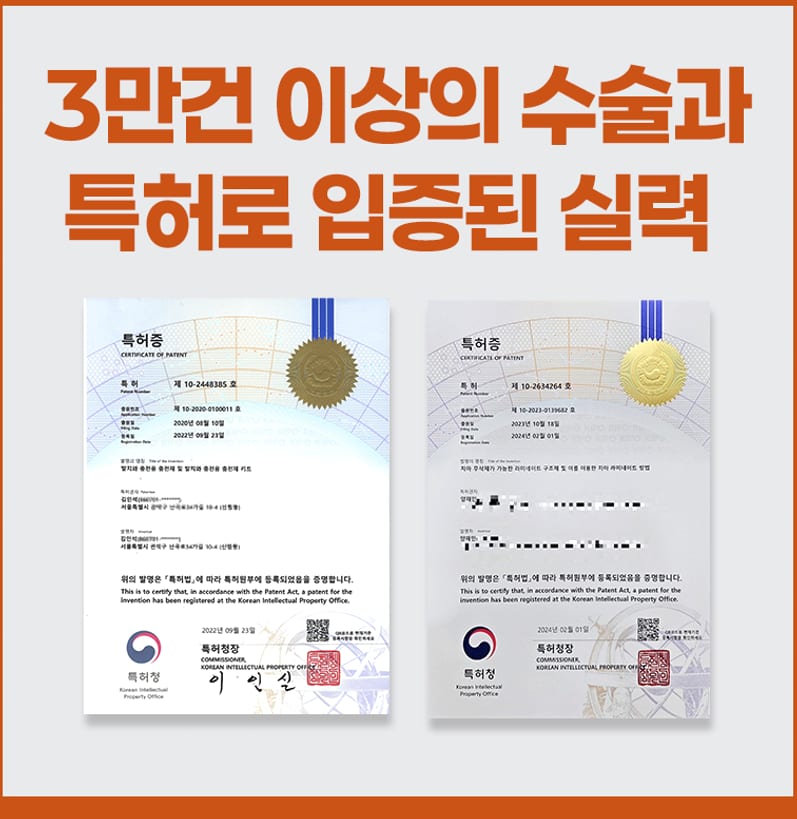

Mind Dental Clinic Information
Mind Dental Clinic, located in Ansan, provides advanced dental treatments including dental implants and no-prep veneers.
Before starting any procedure, patients can receive a comprehensive evaluation of their current oral condition along with a clear explanation of the recommended treatment plan.
Location
4th Floor, Central Tower, 72 Gojan-ro, Danwon-gu, Ansan, South Korea
Phone
+82-31-401-9375
Website
Hours
Mon – Thu: 10:00 AM – 8:00 PM
Fri: 10:00 AM – 6:00 PM
Public Holidays: 10:00 AM – 4:00 PM