Hello. I am Dr. at Ansan Mind Dental.
Prosthetic treatment is not something to delay until severe pain appears. If an old crown or bridge traps food, feels unusually high when you bite, or you notice repeated gum swelling around the restoration, it is wise to have the restoration and supporting teeth evaluated. Small but persistent problems may signal issues with cementation, the health of the abutment teeth, or gum inflammation that should be assessed together.
When should you have a bridge evaluated?
If you have recurring discomfort with a bridge—even without clear pain—schedule an assessment. Common triggers for a check include:
- Food packing around the restoration
- A rough or uneven margin at the prosthesis boundary
- Repeated gum swelling, redness, or bad odor
- A sensation that the prosthesis is moving or loose
A loose feeling can be a simple cement failure, but it may also indicate decay on the abutment tooth or weakening of the supporting tooth. Especially with older bridges, the external appearance can seem fine while secondary caries or changes beneath the restoration develop. For these reasons, Ansan Gojan-dong prosthetic treatment should include inspection of both the visible prosthesis and the underlying tooth and gum condition.
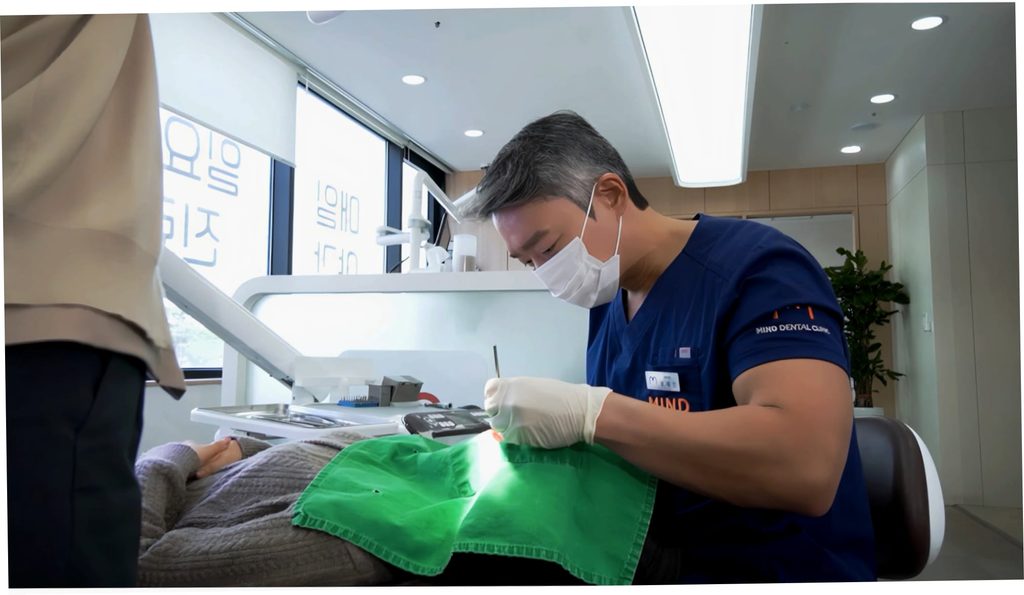
What do we examine during consultation?
At your visit we evaluate several aspects to identify the cause of your symptoms:
- Visual inspection of prosthesis margins and surrounding gum
- Percussion and mobility tests for abutment teeth
- Radiographs (X-rays) to check for secondary caries or bone changes
- Occlusion (bite) assessment to see if contact points cause discomfort
These checks help determine whether the problem is limited to the prosthesis, the abutment teeth, or the periodontal tissues.
How is bridge prosthetic treatment completed?
The typical steps for bridge maintenance or replacement are:
- Initial examination and radiographs to define the problem
- Preparation of abutment teeth if needed (shaping or treatment)
- Impression or digital scan for a precise fit
- Temporary prosthesis to protect prepared teeth and maintain function
- Final prosthesis try-in, adjustment, and cementation
Treatment time varies depending on findings: simple re-cementation or adjustment can be quick, but if root canal treatment, periodontal therapy, or extensive restorative work is required, the timeline extends. The treatment focus is not speed but creating conditions for a durable, well-fitting restoration.
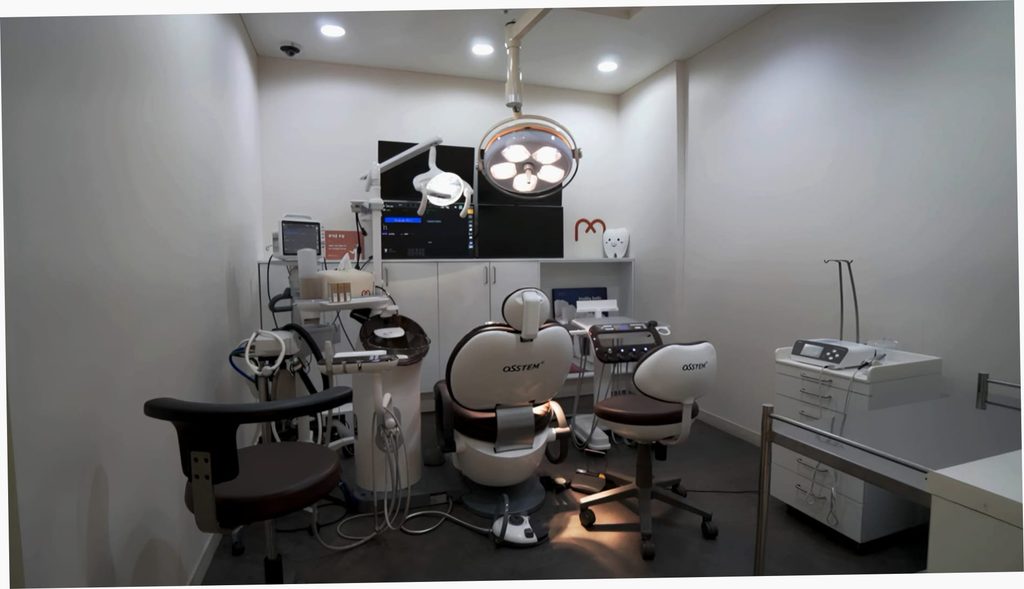
What discomforts can occur during treatment?
Patients frequently report temporary sensations during and after treatment, such as:
- Sensitivity to cold for a few days after tooth preparation
- Change in chewing feel while adapting to a temporary or new prosthesis
- Initial awareness of height or foreign-body sensation after final placement
Seek review if any of the following appear: increasing pain, persistent one-sided contact when biting, repeated gum bleeding or swelling, or worsening sensitivity.
How should you care for a bridge afterward?
Bridges connect multiple teeth, so cleaning beneath and around the prosthesis is important. Recommended care includes:
- Use of interdental brushes or floss threads under the pontic
- Avoiding habitual chewing on one side when possible
- Monitoring for habits such as clenching or grinding and discussing protection options
- Regular dental check-ups to verify fit and hygiene
If you notice new food impaction, mobility, or odor, arrange a check-up rather than assuming the prosthesis only needs re-cementing.
What to prepare before your consultation
Bring a brief summary of your symptoms and history to help the evaluation:
- When the problem began and what triggers it (cold, chewing, specific foods)
- Whether the prosthesis feels loose or causes food trapping
- Dates of any prior root canal or bridge placement
- Recent incidents such as biting a hard object
At Ansan Mind Dental, we review the prosthesis shape, radiographs, gum health, and bite together to reach an accurate diagnosis. Treatment recommendations vary according to the condition of the abutment teeth and gums.
Do not wait for severe pain to seek evaluation. If you have repeated discomfort, changes in how a prosthesis feels, or hygiene problems around a crown or bridge, a thorough assessment can identify whether the issue is with the prosthesis itself or with supporting teeth and gums. Early diagnosis helps us choose an appropriate, durable treatment plan.

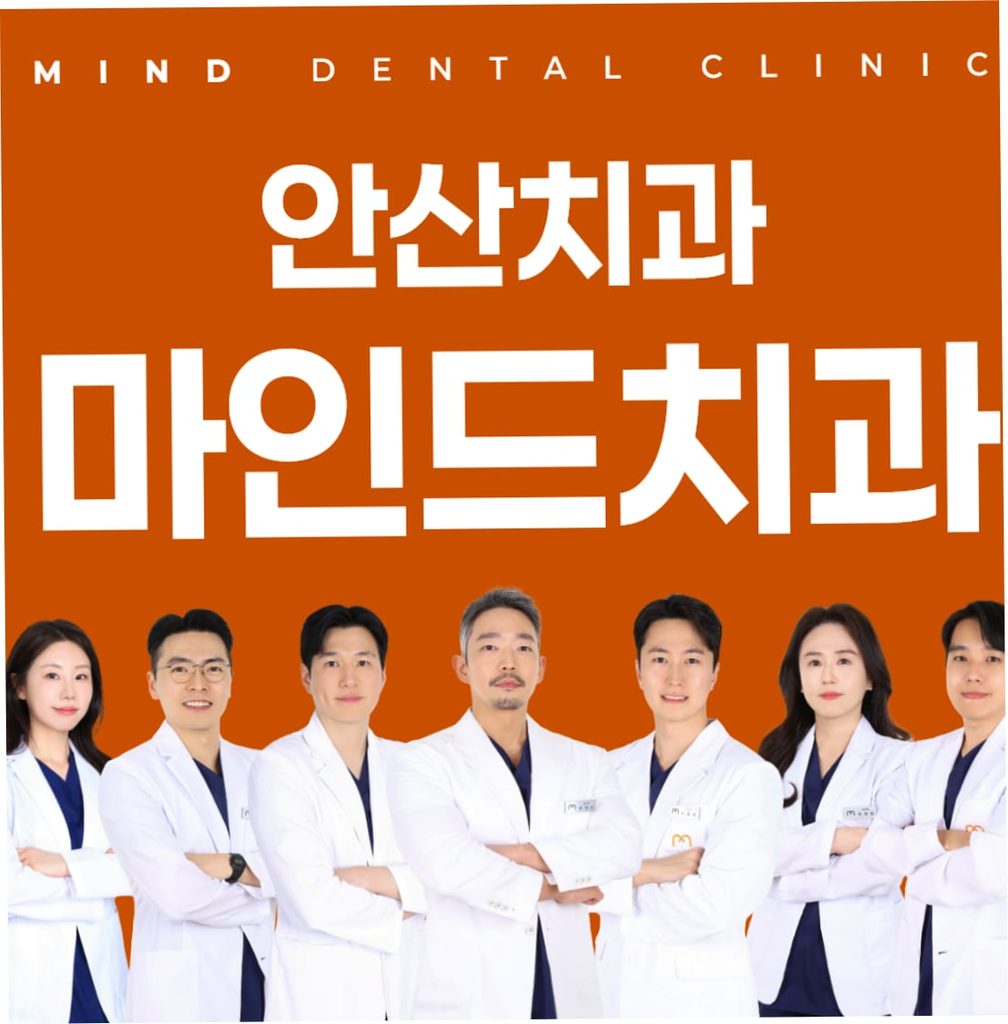
Mind Dental Clinic Information
Mind Dental Clinic, located in Ansan, provides advanced dental treatments including dental implants and no-prep veneers.
Before starting any procedure, patients can receive a comprehensive evaluation of their current oral condition along with a clear explanation of the recommended treatment plan.
Location
4th Floor, Central Tower, 72 Gojan-ro, Danwon-gu, Ansan, South Korea
Phone
+82-31-401-9375
Website
Hours
Mon – Thu: 10:00 AM – 8:00 PM
Fri: 10:00 AM – 6:00 PM
Public Holidays: 10:00 AM – 4:00 PM