Deciding on an implant clinic can feel overwhelming the first time.
Rather than focusing only on price or treatment length, it’s more important to confirm whether the clinic provides thorough diagnostic tests, clear treatment planning, and a structured follow-up system. For those searching for an Ansan Gojan-dong dental implant, a calm, step-by-step explanation from the clinician helps you understand why a particular plan is recommended.
Why precise diagnosis matters for implants
An implant is an artificial root placed into the jawbone and later restored with a crown. Because the procedure involves bone, surrounding teeth, and bite relationships, a precise diagnosis is essential. A complete assessment should include gum and bone condition, occlusion (how your teeth meet), and any systemic health factors that could affect healing.
Key checks during assessment:
Oral examination and periodontal evaluation
Radiographs or 3D imaging when indicated
Review of medical history, medications, and habits such as smoking
What the diagnostic findings determine
The results of the precision exam influence the implant position, need for bone grafting, timing of implant placement, and the design of the final prosthesis. This diagnostic phase is what makes a treatment predictable and tailored to the patient rather than a one-size-fits-all approach.
What to listen for during consultation
When you visit a clinic for an Ansan Gojan-dong dental implant consultation, observe whether the clinician explains the rationale behind the proposed steps. Instead of accepting “it’s possible,” a helpful consultation should cover:
Whether the existing tooth can be preserved or must be extracted
If bone grafting or sinus lift is likely required
Timing: immediate versus delayed implant placement
The staged flow from surgery to provisional and final prosthesis
Ask about expected recovery, likely pain and swelling, dietary guidance after surgery, and the schedule of follow-up visits so you can plan realistically.
Practical questions to ask the dentist
Patients often benefit from bringing a short list of questions to their consultation. Examples include:
Is extraction absolutely necessary, or can the tooth be treated and maintained?
If bone is insufficient, what grafting options are available and why?
How long will the entire process take from implant placement to final crown?
What daily care and professional maintenance will the implant require?
These questions help you compare clinics based on the depth of explanation rather than advertising messages.
How aftercare affects long-term results
Implant treatment continues beyond the surgery: maintenance is crucial. Verify that the clinic offers a clear aftercare plan that includes:
Regular check-ups and recommended intervals for radiographic follow-up
Guidance on oral hygiene techniques around implants (brush, interdental brushes, floss)
Monitoring for signs of peri-implant inflammation and timely management
Good aftercare reduces the risk of complications and supports the longevity of the restoration.
Why the treatment sequence should be clear
A thorough treatment plan explains the sequence and alternatives: extraction first or immediate implant, whether temporary teeth will be used, and how multiple missing teeth will be managed with occlusal planning in mind. Understanding the sequence helps set realistic expectations and reduces anxiety about the process.
Elements that should be addressed in the plan:
Need for preliminary periodontal treatment
Bone grafting or sinus augmentation when required
Timing for implant placement and loading
Design and material of the final prosthesis
When researching an Ansan Gojan-dong dental implant, focus on the clinic’s diagnostic thoroughness, clarity of the treatment plan, and structured follow-up rather than price alone. A consultation that explains why each step is necessary and how aftercare will be managed is more useful than any slogan. Because individual bone conditions, systemic health, and tooth relationships differ, the final plan should be determined after clinical examination and appropriate imaging.
Mind Dental Clinic Information
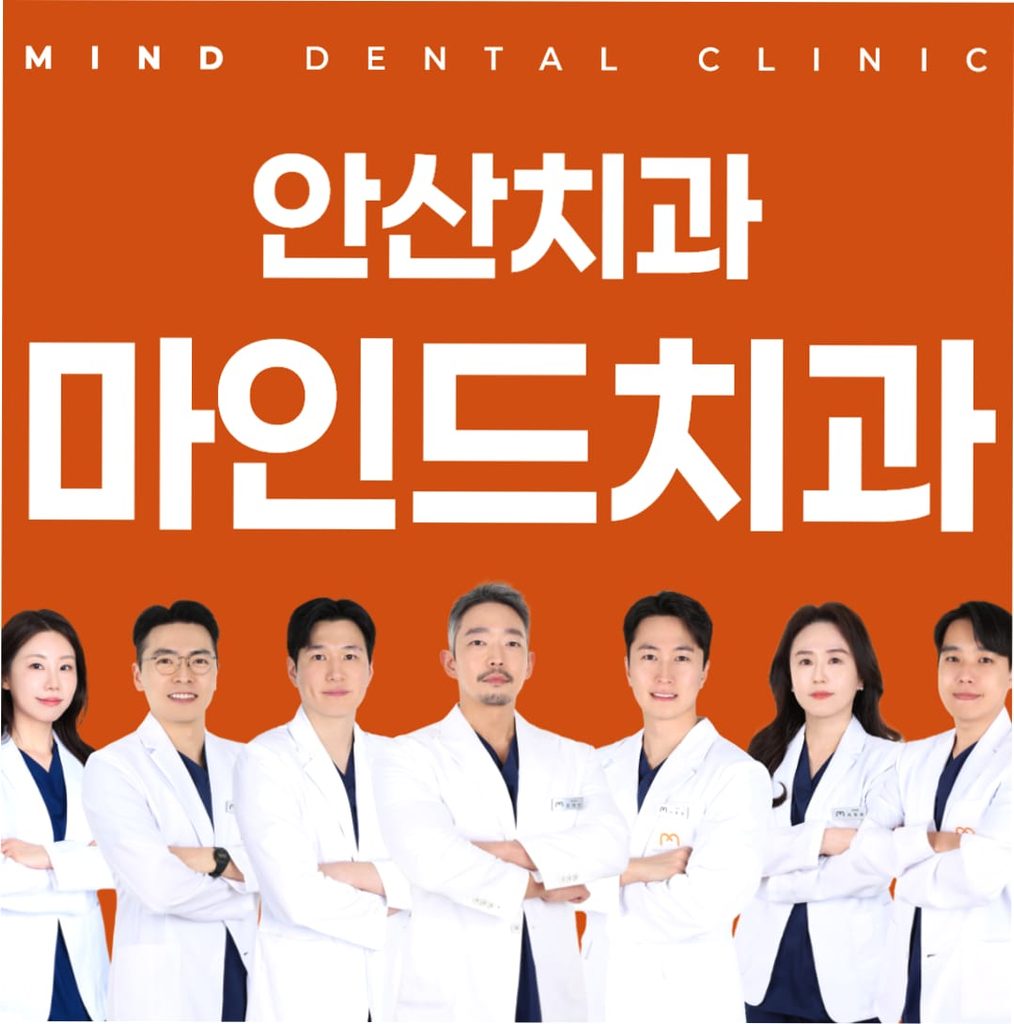
Mind Dental Clinic, located in Ansan, provides advanced dental treatments including dental implants and no-prep veneers.
Before starting any procedure, patients can receive a comprehensive evaluation of their current oral condition along with a clear explanation of the recommended treatment plan.
Location
4th Floor, Central Tower, 72 Gojan-ro, Danwon-gu, Ansan, South Korea
One of the most common concerns patients have before dental implant surgery is not the procedure itself, but when they can safely return to their normal daily routine afterward.
In the clinic, we frequently hear questions such as:
“Can I eat the day after implant surgery?”
“When can I go back to work?”
“When is it okay to drink coffee again?”
“How long should I avoid exercise, alcohol, and smoking?”
In many cases, implant surgery itself proceeds as planned. However, the recovery process varies from person to person. Factors such as the extent of surgery, whether bone grafting was performed, gum health, and overall medical condition can all influence recovery and postoperative care.
At Mind Dental Clinic in Ansan, one point is always emphasized during consultations: The success of implant treatment depends not only on the day of surgery but also on how well the recovery period is managed afterward.
Based on recommendations commonly provided in clinical practice, this article explains important points about eating, returning to work, exercising, and managing alcohol and smoking after dental implant surgery.
Ansan Dental Implant
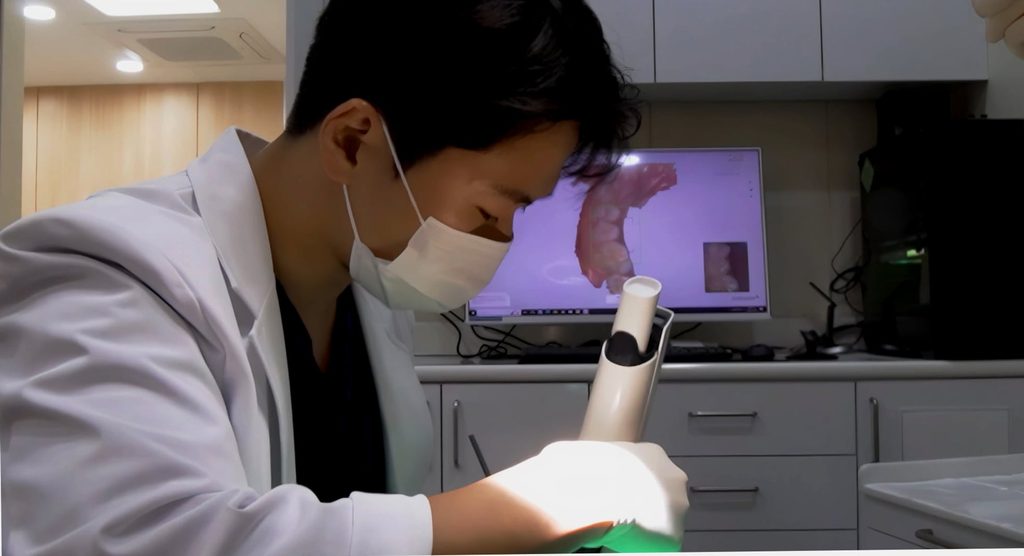
Ansan Dental Implant Imaging Equipment
Why Are the First 24 Hours After Implant Surgery So Important?
Immediately after implant placement, a blood clot naturally forms around the surgical site.
This blood clot is an essential part of the healing process and helps protect the wound during the early stages of recovery.
One of the most important instructions patients receive after surgery is to avoid unnecessary irritation to the surgical area during the first 24 hours.
During this period, it is generally advisable to avoid:
Using straws
Vigorous mouth rinsing
Forcefully spitting repeatedly
Hot foods and beverages
Alcohol
Smoking
Strenuous exercise
Some patients ask,
“There isn’t much bleeding anymore. Is it okay if I go back to normal?”
Even if visible bleeding is minimal, the gums and surrounding bone have only just begun healing. A lack of significant pain does not necessarily mean the tissues have fully recovered. Taking it easy on the first day is recommended.
Ansan Dental Implant Aftercare Precautions
Ansan Dental Implant Surgery
Can You Eat the Day After Implant Surgery?
This is one of the most frequently asked questions.
For most patients, eating is possible the day after surgery.
However, being able to eat does not mean every type of food is appropriate immediately after surgery.
Soft foods that require minimal chewing are generally recommended during the initial healing period, such as:
Rice porridge
Steamed eggs
Tofu
Yogurt
Soup
Soft fish
Foods that are generally best avoided during early recovery include:
Hard foods
Tough meats
Nuts
Very hot foods
Highly spicy or irritating foods
In clinical practice, there are patients who experience very little discomfort the day after surgery and return to their regular diet too soon. Excessive chewing may lead to renewed swelling or discomfort around the surgical site.
Because healing cannot be judged solely by the level of pain, choosing appropriate foods during the recovery period is important.
Dental Implant Aftercare
Ansan Dental Implant Precautions
When Can You Return to a Normal Diet?
There is no single answer that applies to everyone.
Recovery speed varies depending on several factors, including:
Number of implants placed
Whether bone grafting was performed
Condition of the gums
Individual healing ability
Presence of systemic medical conditions
If the surgery was relatively simple and healing progresses smoothly, patients may gradually expand their diet sooner.
However, if bone grafting was performed or the gums require additional healing time, soft foods may be recommended for a longer period.
Ultimately, your current healing condition is more important than the number of days that have passed.
Ansan Dental Implant Surgery
Ansan Dental Implant Aftercare
When Can You Drink Coffee or Eat Hot Foods?
Many patients ask this question.
Immediately after implant surgery, hot foods and beverages may increase blood flow by dilating blood vessels, potentially contributing to swelling or bleeding.
During the early recovery period, it is generally more comfortable to choose:
Warm (not hot) soup
Room-temperature beverages
Foods that are not excessively hot
With coffee, the temperature is often a greater concern than the caffeine itself.
Some patients have reported increased throbbing discomfort after drinking very hot coffee shortly after surgery.
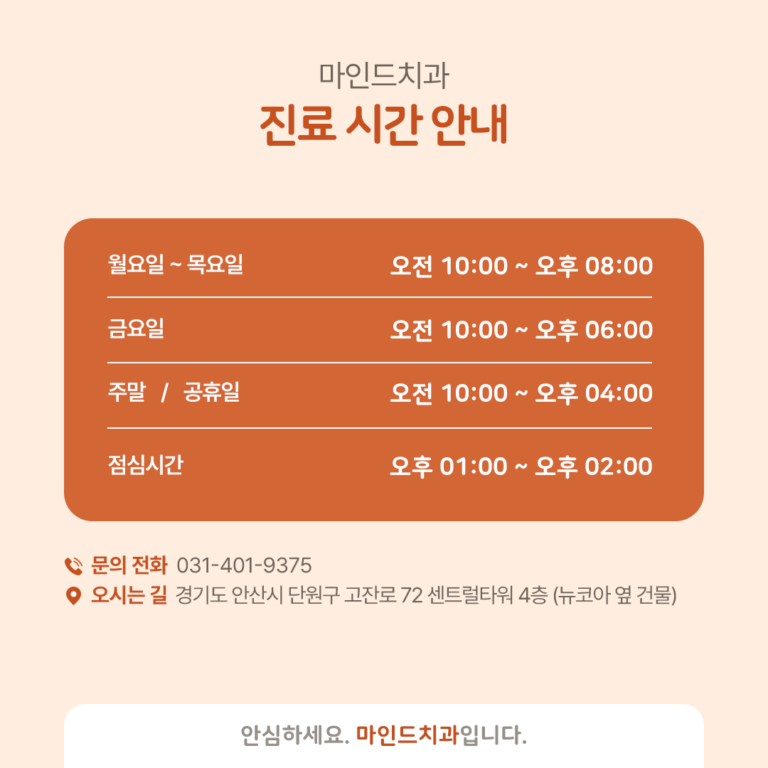
Mind Dental Clinic Ansan Office Hours
Ansan Dental Implant Treatment Surgery
When Can You Return to Work?
For patients with office-based jobs, returning to work the following day is common in many cases.
However, the physical demands of the job should always be considered.
Additional recovery time may be helpful for occupations involving:
Prolonged standing
Frequent heavy lifting
Outdoor construction or field work
Physically demanding activities
Many patients also choose to schedule implant surgery around important meetings or business trips whenever possible.
When Can You Resume Exercise?
Strenuous exercise is generally discouraged immediately after surgery.
Exercise may increase blood pressure and sweating, which could affect the early healing process.
Light daily activities are usually acceptable, but activities such as:
Weight training
Running
Hiking
Golf
High-intensity exercise
are generally best resumed gradually according to your dentist’s recommendations.
Why Should Alcohol and Smoking Be Avoided?
This is another common question during consultations.
Both alcohol consumption and smoking may interfere with wound healing.
During the early healing phase, they may affect:
Gum healing
Blood circulation
Inflammatory response
For this reason, avoiding both whenever possible is recommended.
Patients who undergo bone grafting may require even more careful postoperative management.
The appropriate restriction period varies depending on individual healing, so it is best to follow the instructions provided by your dental team.
Common Recovery Patterns Observed in Clinical Practice
Many patients say,
“It actually doesn’t hurt as much as I expected.”
While minimal discomfort is certainly reassuring, it can sometimes lead patients to become less cautious with postoperative care.
On the other hand, patients who experience mild swelling initially but carefully follow dietary recommendations and postoperative instructions often recover very smoothly.
These clinical experiences highlight an important point:
Successful implant treatment depends not only on the surgery itself, but also on careful management during the following days.
Post-Implant Surgery Checklist
Avoid hot foods on the day of surgery.
Begin with soft foods.
Chew on the side opposite the surgical area whenever possible.
Avoid using straws.
Avoid vigorous rinsing and forceful spitting.
Postpone strenuous exercise.
Avoid alcohol and smoking during the healing period.
Contact your dental clinic if pain or swelling becomes more severe than expected.
At Mind Dental Clinic, Ansan
Frequently Asked Questions
Q. Can I eat the day after implant surgery?
In most cases, yes. It is generally recommended to start with soft foods such as rice porridge, steamed eggs, and tofu while minimizing chewing pressure around the surgical area.
Q. When can I return to a normal diet?
The timing varies depending on the extent of surgery and your individual healing progress. Rather than following a fixed timeline, it is better to expand your diet according to your recovery as evaluated during follow-up visits.
Q. When can I drink coffee again?
During the early healing period, avoiding very hot coffee is recommended. Choosing lukewarm beverages may help reduce irritation.
Q. When can I return to work?
Many office workers return the following day. However, patients with physically demanding jobs may need additional recovery time depending on their healing progress.
Q. When is it safe to drink alcohol or smoke again?
It is generally recommended to avoid both during the early healing phase. The appropriate timing varies depending on the extent of surgery and individual recovery, so following your dentist’s instructions is the safest approach.
If you are planning dental implant treatment in Ansan, preparing for the surgery itself is only one part of the process. Planning how you will manage the first several days of recovery is equally important.
In clinical practice, postoperative habits—including diet, returning to work, exercise, alcohol consumption, and smoking—often have a significant influence on the healing process.
Most importantly, avoid comparing your recovery with someone else’s. Recovery varies from person to person, and your daily activities should be adjusted according to your own healing progress.
Dental implant treatment does not end with implant placement. It also includes the period during which the gums and jawbone heal and stabilize around the implant.
If you experience symptoms that concern you or differ from what you expected, it is safest to contact the dental clinic where you received treatment rather than trying to evaluate the situation on your own.
Mind Dental Clinic Ansan
Mind Dental Clinic Information Mind Dental Clinic, located in Ansan, provides advanced dental treatments including dental implants and no-prep veneers. Before starting any procedure, patients can receive a comprehensive evaluation of their current oral condition along with a clear explanation of the recommended treatment plan.
Location 4th Floor, Central Tower, 72 Gojan-ro, Danwon-gu, Ansan, South Korea
When consulting patients about dental implants, we often hear similar questions.
“How can I find a clinic that performs implants well?” “Prices vary so much between clinics. What should I focus on?” “All the advertisements seem similar, which makes the decision even harder.”
The short answer is that successful implant treatment depends not only on cost or surgical experience, but also on how carefully the diagnosis and treatment plan are established beforehand.
In our clinic, we frequently meet patients who have already visited several dental offices before coming to us. In many cases, the actual examination results differ from what they initially expected.
What appears to be a simple case of a missing tooth may reveal insufficient bone volume on a CT scan, or the implant site may be closer to important nerves than anticipated. These findings can significantly change the treatment approach.
Ansan Dental Implant Treatment
For this reason, we would like to share five important factors that patients should consider before choosing a clinic for implant treatment in Ansan.
The first point is whether the clinic performs a thorough diagnostic evaluation.
Dental implants are not simply about placing an artificial tooth root into an empty space.
The condition of the jawbone, the presence of inflammation, and the way biting forces are distributed all need to be carefully assessed before treatment begins.
Many patients ask, “How soon can I get the implant placed?” However, determining the surgery date is usually less important than establishing an accurate diagnosis.
When choosing a clinic, it is worth paying attention to whether the dental team clearly explains why a specific treatment plan is recommended, rather than simply focusing on when the procedure can be performed.
The second point is whether the clinic explains the purpose and value of CT imaging.
One of the most common questions we hear is:
“Isn’t a regular X-ray enough?”
In many cases, panoramic X-rays alone cannot provide all the information needed for precise implant planning. CT imaging allows dentists to evaluate bone width, bone height, and nerve locations in three dimensions.
We have seen cases where the bone appeared adequate on initial examination, but a CT scan revealed that the bone width was thinner than expected. As a result, the treatment plan had to be modified.
This is why the examination process is such an important part of implant treatment. What is visible on the surface does not always reflect the actual clinical situation.
The third point is whether patients are given enough time to ask questions during the consultation.
A good consultation is not simply one with a lot of explanations; it is one where meaningful questions and discussions take place.
Ansan Dental Implant Bone Grafting
Patients who tend to be more satisfied with their treatment often ask questions such as:
“Will I need a bone graft?” “How long will the entire treatment take?” “Will my diabetes medication affect the procedure?” “What factors influence the lifespan of an implant?”
Patients who fully understand the treatment process often feel more comfortable and confident throughout their care.
The fourth point is whether the clinic explains the final prosthetic plan.
Many people focus primarily on the implant surgery itself. However, the part that patients actually use for chewing is the final prosthetic restoration attached to the implant.
While implant placement is important, the design and function of the final restoration are equally significant.
Even when implants are placed in the same area, the prosthetic plan may vary depending on the patient’s bite, surrounding teeth, and overall oral condition.
For this reason, it is beneficial to choose a clinic that discusses not only the surgical procedure but also the expected final outcome.
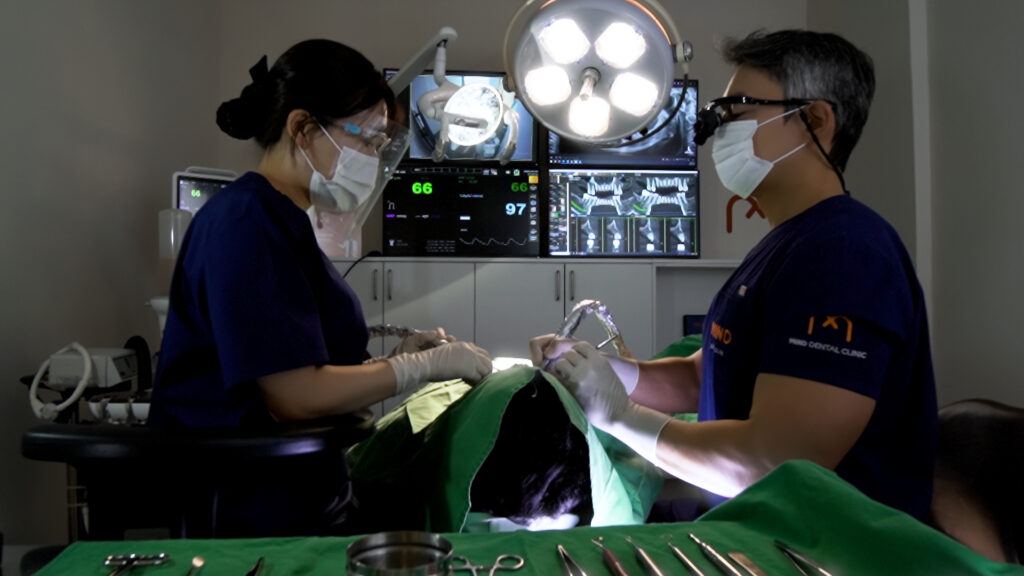
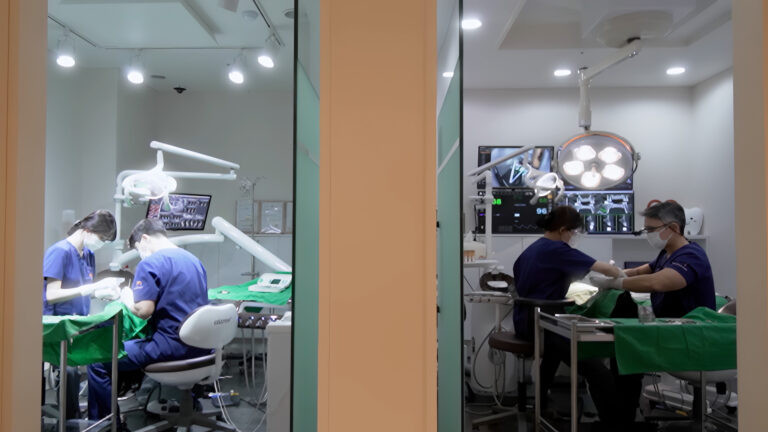
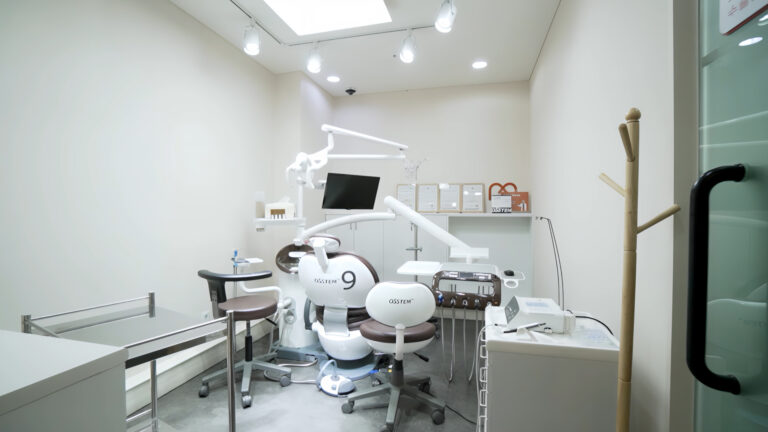
Ansan Dental Implant Surgery Room
The fifth point is whether the clinic has a structured maintenance and follow-up care system.
Implant treatment does not end when the surgery is completed.
Like natural teeth, implants require ongoing care and regular checkups.
In our experience, patients who maintain their implants successfully for many years are often those who consistently attend follow-up visits and practice good oral hygiene.
On the other hand, neglecting maintenance can increase the risk of peri-implant inflammation and other complications.
Therefore, it is important to consider not only the surgery itself but also the long-term maintenance plan when choosing a clinic.
Throughout years of clinical practice, we have found that the success of implant treatment is often determined long before the day of surgery.
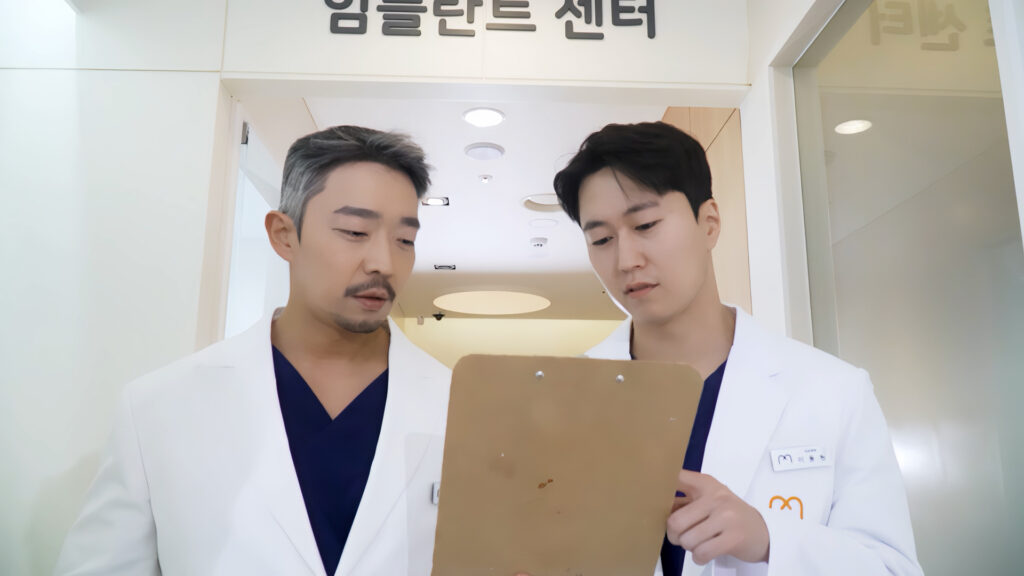
Ansan Implant Treatment by the Chief Dentist
Even when two cases appear similar, treatment plans can differ based on bone condition, systemic health, lifestyle habits, and bite relationships.
The most important factor is accurately understanding the patient’s current oral condition and developing a treatment plan tailored to those individual needs.
If you are considering dental implant treatment in Ansan, we encourage you to evaluate more than just pricing or promotional offers. Pay close attention to the diagnostic process, treatment planning, and long-term maintenance system provided by the clinic.
An accurate diagnosis and appropriate treatment plan should always be based on the individual’s oral condition and require professional clinical judgment.
Mind Dental Clinic
Mind Dental Clinic Information Mind Dental Clinic, located in Ansan, provides advanced dental treatments including dental implants and no-prep veneers. Before starting any procedure, patients can receive a comprehensive evaluation of their current oral condition along with a clear explanation of the recommended treatment plan.
Location 4th Floor, Central Tower, 72 Gojan-ro, Danwon-gu, Ansan, South Korea